What are the most spectacular roads in Spain?
Tucked away on the Iberian Peninsula, in the southwestern part of Europe, the roads of Spain offer the best way to discover the country’s diverse topography. It features mountain roads, even the highest paved road in Europe, as well as stunning coastal drives on the Balearic Islands and the Canary Islands.
The country is home to Pico del Veleta, the highest paved road in the European continent. Ending at 3,369m (11,053ft) above sea level, it's one of the highest roads in Europe. At an altitude of around 3,000m, road conditions become significantly worse. For those seeking mountain roads, Alto de l’Angliru is the ultimate cycling ascent in Asturias. Climbing up to 1.558m (5,111ft) above sea level, it’s one of the hardest and most epic climbs you can ride on two wheels.
If you’re up for a drive on scenic roads, Mallorca hosts two stunning drives: the sensational road to Formentor Lighthouse and Sa Calobra, the Snake Road. Located on the island of Mallorca, Sa Calobra Road is one of the most scenic drives in the world. Imagine dropping a long piece of wet spaghetti on the floor. The pattern it makes looks something like what the road looks. If you really want a challenge, try tackling it by bike. On the Canary Islands, GC-200 is an exhilarating road with 365 curves and spectacular views. The road has it all, from hairpin bends to sheer cliff-edge drops. It's one of the best roads on the Canary Islands.
So, rev up your engines and let Spain's spectacular routes guide you through a journey of soulful discoveries and unforgettable vistas. You will discover many treasures created by skilled workers employed by construction firms with tradition in Spain.
How to drive the unpaved road to Cogulló d’Ares in the Cabó Valley
Cogulló d’Ares is a high mountain peak at an elevation of 1,655m (5,429ft) above sea level located in the province of Lleida, in Spain.
How to get by car to Hoya del Portillo parking in Sierra Nevada?
Aparcamiento Hoya del Portillo is a parking lot at an elevation of 2.151m (7,057ft) above sea level, located in the autonomous community of Andalusia, in Spain.
Coll de Bot: Conquering the TV-3301 Road and Its Endless Curves
Coll de Bot is a mountain pass sitting at 480m (1,574ft) above sea level, tucked away in the rugged beauty of Catalonia, Spain. But this isn’t just any road — it’s a driver’s playground. If you crave mountain routes, weaving through pine-covered slopes on a lonely ribbon of asphalt, the TV-3301 will steal your heart.

Driving logistics and restrictions at Portillo de Rio Seco in Sierra Nevada
Portillo de Rio Seco is a high mountain pass at an elevation of 3,100m (10,170ft) above sea level, located in the Sierra Nevada range of Granada, Spain. It stands as one of the highest roads in Spain and is featured on the list of the highest roads in Europe, forming part of a critical high-altitude traverse between the northern and southern slopes of the massif.

Is the road to Puerto Molina in Sierra Nevada open to vehicles?
Puerto Molina is a high mountain pass at an elevation of 2,394m (7,854ft) above sea level, located in the Sierra Nevada range in the province of Granada, in Spain. It serves as a key high-altitude point along the track leading toward Pico del Veleta.
Is the road to Sant Llorenç de Montgai reservoir dangerous to drive?
Driving along the Sant Llorenç de Montgai reservoir is a constant tension between the steering wheel and the water. Located in the Noguera region, in the province of Lleida, this stretch of the LV-9047 road is far from a relaxed drive through the Pre-Pyrenees. It is a narrow strip of asphalt that skirts the Segre river as it feeds the reservoir, leaving drivers with almost no room for maneuver between the limestone cliffs and the deep water.
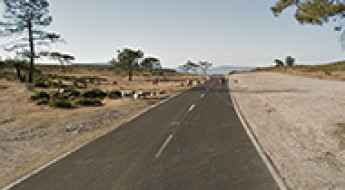
Conquering the Steep but Beautiful Road to Alto da Groba in Pontevedra
Alto da Groba is a mountain pass at an elevation of 632m (2,073ft), located in the autonomous community of Galicia, in Spain.
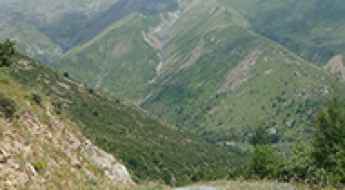
Coll de Fades: Driving the 31-hairpin unpaved road in Lleida
Coll de Fades is a mountain pass at an elevation of 1,505 meters (4,937 ft) above sea level, located in the Pyrenees within the Province of Lleida, Catalonia, Spain. Traversed by the unpaved Camí Erta-Sas, the track connects the Pallars Jussà and Alta Ribagorça regions through high-altitude ridges.
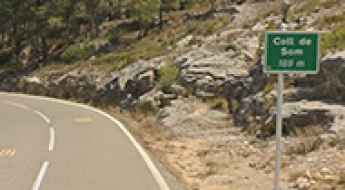
Driving the winding T-301 road through Coll de Som in Tarragona
Coll de Som is a mountain pass at an elevation of 189 meters (620 ft) above sea level in the Province of Tarragona, Catalonia, in Spain. Traversed by the paved T-301 road through the Serra de Cardó range, the route connects Tivenys with Benifallet along the eastern bank of the Ebro River.
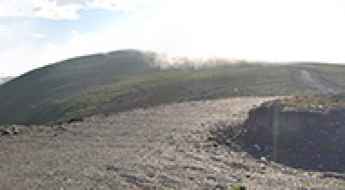
Driving the wind farm tracks to Cerro del Gorro: A 1,784m climb in León
Located in the heart of the Montes de León, the ascent to Cerro del Gorro is a journey into the rugged high-altitude landscapes of the El Bierzo region. Reaching an elevation of 1,784m (5,853ft) above sea level, this peak is part of a strategic mountain chain where the silence of the Valle del Silencio meets the industrial scale of modern wind farms. It is a drive defined by raw exposure to the elements and a road surface that demands respect and a capable vehicle.
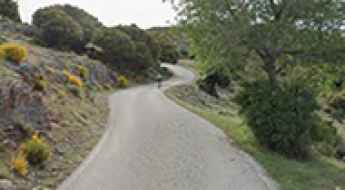
Puerto El Purche: The steep technical climb to Collado del Muerto
Puerto El Purche, also known as Collado del Muerto, is a legendary and technical mountain pass located in the province of Granada, in southern Spain. Reaching an elevation of 1,493m (4,898ft) above sea level, this road is a primary gateway into the high Sierra Nevada range. Known among local drivers and cyclists for its brutal gradients, the route offers a condensed experience of alpine driving: narrow asphalt, sharp hairpins, and ramps that test the cooling systems of any vehicle.
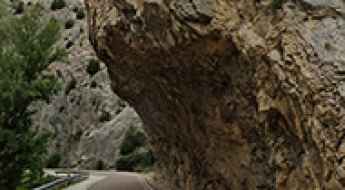
How to drive the scenic road through Aliaga Gorge in Teruel?
Desfiladero de Aliaga is a dramatic limestone canyon located in the province of Teruel, Aragon, Spain. Carved by the Guadalope River, the gorge is crossed by the spectacular A-2403 road, a route known for its narrow rock-hewn passages and sharp mountain corners.
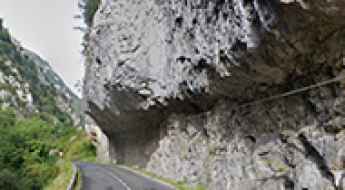
How to drive the AS-261 road through Desfiladero del Ponga?
Desfiladero del Ponga is a limestone canyon located in Asturias, northern Spain. The road through the gorge is the AS-261, which runs within the Ponga Natural Park. It is a paved mountain road that follows the River Ponga for 16 km and is one of the most scenic canyon roads in Spain. The route is characterized by vertical stone walls that hang over the driving lanes in several sectors.
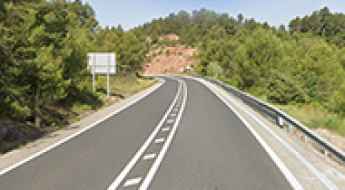
How to drive the winding C-44 road to Coll de Fatxes in Tarragona
Coll de Fatxes is a mountain pass at an elevation of 512m (1,680ft) above sea level, located in the province of Tarragona, in Spain.
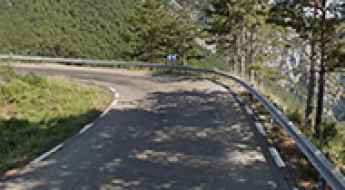
LV-4001 Road: Driving the 18 hairpins to Montant de Tost
The LV-4001 is a steep mountain road located in the Alt Urgell comarca, within the Lleida province of Catalonia, in Spain. Locally nicknamed the Catalan Stelvio due to its hairpin turns, this asphalt road connects the C-14 highway near Organyà with the isolated village of Montant de Tost via 18 consecutive hairpin turns.
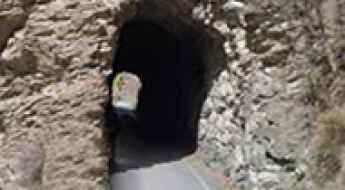
Camino del Barranco de San Juan: Driving the Old Tramway Tunnels of Sierra Nevada
The Camino del Barranco de San Juan is a narrow mountain road located in the province of Granada, Andalusia, in Spain. Starting from the municipality of Güéjar Sierra, the route tracks the deep valley of the Genil River. It's the only vehicular access to the trailhead of the Vereda de la Estrella hiking route.
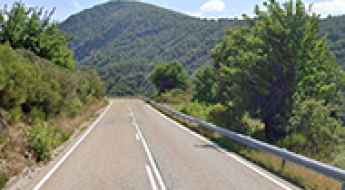
How to drive the paved road to Puerto de Leitariegos?
Puerto de Leitariegos is a high mountain pass at an elevation of 1,525m (5,003ft) above sea level, located in northern Spain. The pass serves as a primary logistical link between the plateau of León and the coastal regions of Asturias, crossing the main axis of the Cantabrian Mountains.
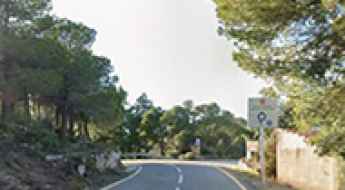
Is the T-3225 the most beautiful road in Tarragona?
The T-3225 is a very scenic road located in the province of Tarragona, in Spain. The road features 43 turns in 7.7km, with the best views of Siurana.
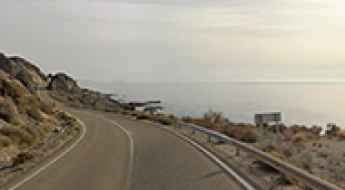
How dangerous is the coastal AL-7107 Road in Almeria after rains?
The AL-7107 Road is a coastal route located in the province of Almeria, within the autonomous community of Andalusia, in southern Spain. Running along the steep Almagrera cliffs, this road offers great views of the Mediterranean Sea but becomes highly volatile due to heavy landslides after rainstorms.
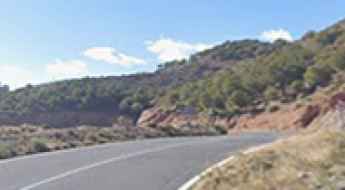
Driving the AL-3404 to Puerto de Santillana: Curves and rockslides in Almería
Located in the eastern foothills of the Sierra Nevada National Park, in the province of Almería, the ascent to Puerto de Santillana is a technical and demanding paved transit. Reaching an elevation of 1,342m (4,402ft) above sea level, the road—officially the AL-3404—is a modern engineering feat that follows ancient footpaths. It is a drive defined by constant directional changes, significant exposure, and a mountain environment that is as beautiful as it is unforgiving for the unprepared vehicle.
How to drive the unpaved road to Era Passada de Ròca Nera?
Era Passada de Ròca Nera is a mountain pass at an elevation of 2.236m (7,335ft) above sea level, located in the northwestern part of the province of Lleida, in Spain.
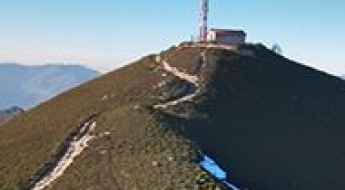
How to drive the steep road to Pico Mirandiella
Pico Mirandiella is a high mountain peak at an elevation of 1,570m (5,150ft) above sea level, located on the border between Teverga and Somiedo in Asturias. The 1.9 km access track is a steep service road for the communication tower at the summit.
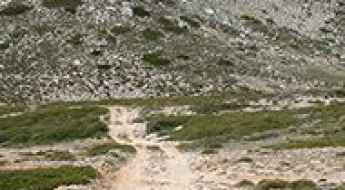
How to drive the unpaved road to Morra del Buitre in Sierra de Castril
Morra del Buitre is a high mountain pass at an elevation of 2,032m (6,666ft) above sea level, located in the province of Granada, in Spain.
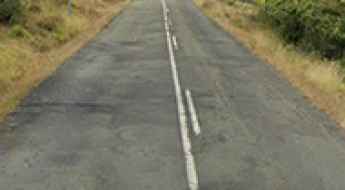
How to drive the broken LR-113 road to Collado Garcimarra in Sierra de la Demanda
Collado Garcimarra is a mountain pass at an elevation of 1,237m (4,058ft) above sea level located in Spain.
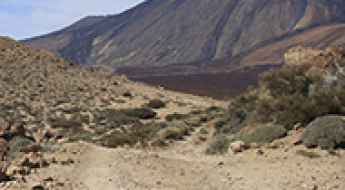
How to drive the unpaved road to Roque de la Grieta in Tenerife
Roque de la Grieta is a high mountain peak at an elevation of 2,417 meters (7,929 ft) above sea level on the island of Tenerife, in the Canary Islands, Spain. Traversed by an unpaved forest track through the Corona Forestal Natural Park, the climb passes across the Llano de los Infantes plateau (2,315 m) near the Teide caldera rim.
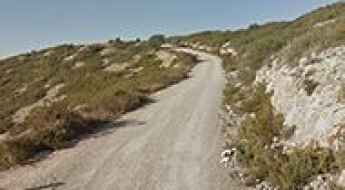
Is the gravel road to Pic de l’Àliga suitable for all vehicles?
Pic de l’Àliga is a mountain peak at an elevation of 460m (1,509ft) above sea level, located on the border of the Alt Penedès and Garraf comarcas in Catalonia, Spain.
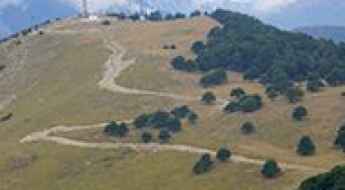
How to drive the unpaved road to Pico Cervín in Ribagorza?
Pico Cervín is a high mountain peak at an elevation of 1,620m (5,314ft) above sea level, located in the Ribagorza county, within the province of Huesca, Spain.
How to drive the unpaved road to Mont Caubó in Lleida?
Mont Caubó is a high mountain peak at an elevation of 2.293m (7,522ft) above sea level, located in the Lleida province, in Spain.
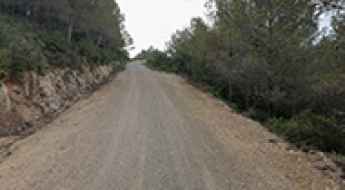
Can I drive the steep road to the weather radar at Puig d'Agulles in Ordal?
Puig d'Agulles is a mountain peak at an elevation of 653m (2,142ft) above sea level, located in the province of Barcelona, Spain.
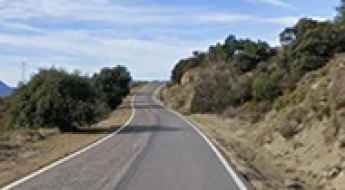
How to drive the curvy road to Coll de Montllobar in Lleida?
Coll de Montllobar is a mountain pass at an elevation of 1.080m (3,543ft) above sea level, located in the comarca of the Pallars Jussà, in Spain.
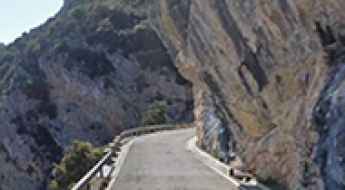
How to drive the balcony road through Túnel d'Odèn in Lleida
Túnel d'Odèn is a mountain tunnel at an elevation of 1,188m (3,897ft) above sea level, located in the province of Lleida, Catalonia, Spain.
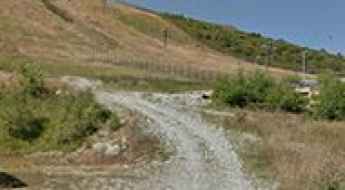
How to drive the steep unpaved road to Collada de la Gobia?
Collada de la Gobia is a high mountain peak at an elevation of 1,837m (6,026ft) above sea level, situated in the province of León, in Spain.
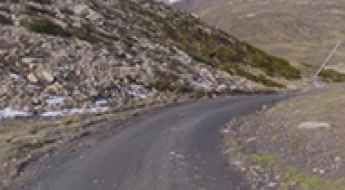
How to drive the unpaved road to Collado Batallero in Huesca?
Collado Batallero is a high mountain pass at an elevation of 2.038m (6,686ft) above sea level, located in the province of Huesca, in Spain.
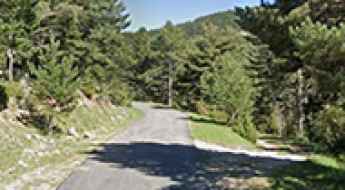
How to drive the paved road to Coll de Montnou in Lleida?
Coll de Montnou is a high mountain pass at an elevation of 1,760m (5,774ft) above sea level, located in the province of Lleida, in Spain.
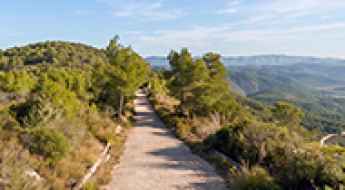
The 6 Most Amazing Roads in Garraf Massif
The Garraf Massif is a rugged limestone range along the Mediterranean coast south of Barcelona, defined by barren terrain, deep ravines, and sudden coastal drops.
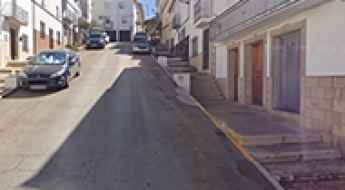
How steep is Muro de Valdepeñas de Jaén?
The Muro de Valdepeñas de Jaén is one of the most extreme and famous asphalt ramps in Spanish road cycling, made popular by its appearances in La Vuelta a España.
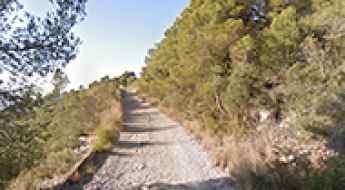
Can I drive the steep destroyed road to Puig de Montgròs in Garraf?
Puig de Montgròs is a mountain peak at an elevation of 357 meters (1,171 ft) above sea level in the Garraf comarca, Barcelona province, in Spain. Rising within the Massís del Garraf range, the summits hosts a telecommunications relay station accessed via a narrow, severely degraded concrete track starting from Sant Pere de Ribes.
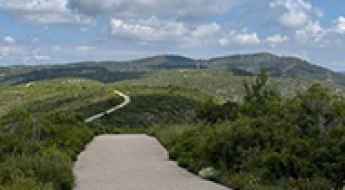
Can I drive the steep road to La Talaia in Garraf?
La Talaia (also known as Puig de la Talaia) is a mountain peak at an elevation of 275 meters (902 ft) above sea level in Barcelona province, Spain. Located on the border between Alt Penedès and Garraf, the summit features a forest fire lookout tower accessed via a narrow, paved concrete track starting from Vilanova i la Geltrú.
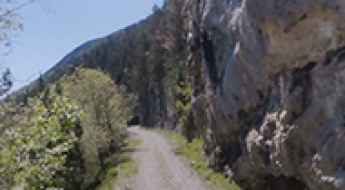
How to drive the unpaved road to Zaragoza mine?
Mina Zaragoza, also known as Mina Saragossa, is an abandoned arsenic and iron mine at an elevation of 1,646 meters (5,400 ft) above sea level, located in the province of Girona, in Spain.
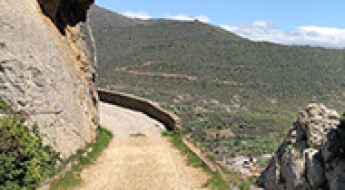
How to drive the unpaved road through Foz de Escalete in Huesca?
Foz de Escalete is an unpaved mountain track located in Huesca province, Aragon, in Spain. Carved directly along the rocky gorge of Barranco de Forcallo, this narrow road connects Sarsamarcuello to La Peña. It’s one of the most scenic canyon roads of Spain.