What are the most spectacular roads in Spain?
Tucked away on the Iberian Peninsula, in the southwestern part of Europe, the roads of Spain offer the best way to discover the country’s diverse topography. It features mountain roads, even the highest paved road in Europe, as well as stunning coastal drives on the Balearic Islands and the Canary Islands.
The country is home to Pico del Veleta, the highest paved road in the European continent. Ending at 3,369m (11,053ft) above sea level, it's one of the highest roads in Europe. At an altitude of around 3,000m, road conditions become significantly worse. For those seeking mountain roads, Alto de l’Angliru is the ultimate cycling ascent in Asturias. Climbing up to 1.558m (5,111ft) above sea level, it’s one of the hardest and most epic climbs you can ride on two wheels.
If you’re up for a drive on scenic roads, Mallorca hosts two stunning drives: the sensational road to Formentor Lighthouse and Sa Calobra, the Snake Road. Located on the island of Mallorca, Sa Calobra Road is one of the most scenic drives in the world. Imagine dropping a long piece of wet spaghetti on the floor. The pattern it makes looks something like what the road looks. If you really want a challenge, try tackling it by bike. On the Canary Islands, GC-200 is an exhilarating road with 365 curves and spectacular views. The road has it all, from hairpin bends to sheer cliff-edge drops. It's one of the best roads on the Canary Islands.
So, rev up your engines and let Spain's spectacular routes guide you through a journey of soulful discoveries and unforgettable vistas. You will discover many treasures created by skilled workers employed by construction firms with tradition in Spain.
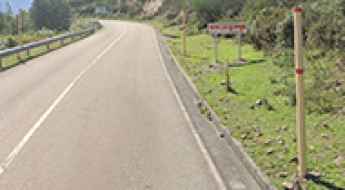
Alto de la Cobertoria is a classic climb in Asturias
Alto de la Cobertoria is a mountain pass at an elevation of 1,181 meters (3,874 feet) above sea level, located in Asturias, Spain. The road to the summit is brutal, hitting a maximum gradient of 12.3% on some of the ramps.
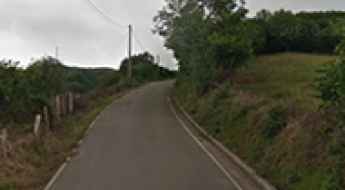
The brutal climb to Cruz de Linares in Asturias with 16% ramps
Puerto Cruz de Linares is a mountain pass at an elevation of 842m (2,762ft) above the sea level, located in the province and autonomous community of Asturias, in Spain.
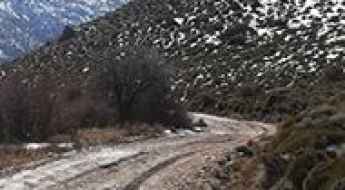
Driving the wild Collado del Tejo
Collado del Tejo is a high mountain pass at an elevation of 1.889m (6,197ft) above the sea level, located in the province of Granada, in the region of Andalucia, southern Spain.
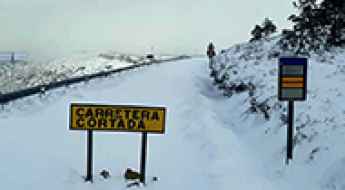
The Road to Paso de los Lobos in Salamanca Will Take Your Breath Away
Paso de los Lobos is a high mountain pass at an elevation of 1,500m (4,921ft) above sea level, located in the province of Salamanca, in Spain.
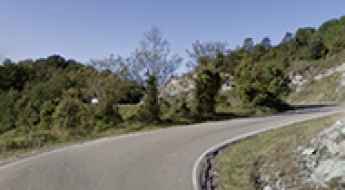
Driving the Wild Road to Collada de Bracons in the Catalan Pre-Pyrenees
Collada de Bracons is a mountain pass situated at an elevation of 1,136m (3,727ft) above sea level, located in the comarca of Osona in Catalonia, Spain.
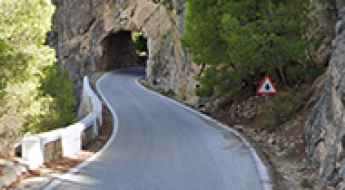
The challenging road with 300 turns to Puerto de Tiscar in Andalusia
Puerto de Tíscar is a mountain pass at an elevation of 1,189m (3,900ft) above sea level, located in the province of Jaén, Spain. Traversed by the scenic but demanding A-6206 road, the pass is known for its steep mountain gradients and a narrow, rock-hewn tunnel near the summit.
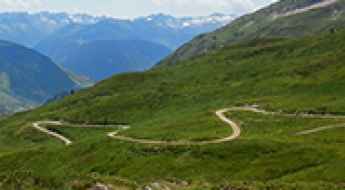
Driving the Challenging Road to Coth de Varrados in Val d'Aran
Còth de Varradòs is a high mountain pass at an elevation of 2,052 m (6,732 ft) above sea level, located in Val d'Aran, Spain.
How to get by car to Miravet Castle in Tarragona?
Castell de Miravet is a large Romanesque castle rebuilt by the Knights Templar, located in the Province of Tarragona, Catalonia, Spain.
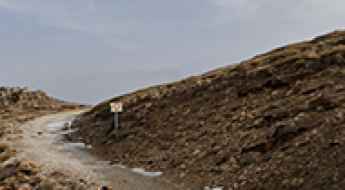
Is the road to Albergue de San Francisco in Sierra Nevada difficult to drive?
Albergue de San Francisco is a historic mountain refuge at an elevation of 2,206 meters (7,237 ft) above sea level in Granada, Spain. Located in the Sierra Nevada National Park above the San Juan Valley, the refuge is accessed via a narrow, unpaved mountain track starting from Collado del Diablo.
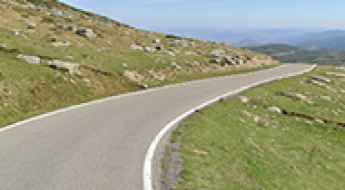
Driving the Highest Paved Road in Cantabria to Collado de la Fuente del Chivo
Collado de la Fuente del Chivo is a high mountain peak at an elevation of 1,992m (6,535ft) above sea level, located in Cantabria, an autonomous region on Spain’s north coast.
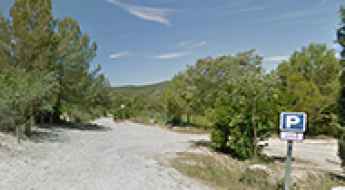
The Haunted Road to Jafra: The Ghost Town of Catalonia Where the Girl on the Curve Still Appears
Jafra, also known as Jafre del Garraf, is an abandoned village located in Spain's Catalonia region. It sits on a hill at about 189 meters above sea level, and today only ruins remain. But Jafra is more than just a ghost town — it is wrapped in legends of Melinda, the mysterious “girl on the curve”, whose spirit is said to haunt the unpaved road leading to the village and the crumbling ruins within.
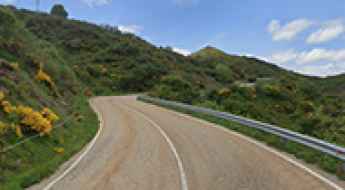
Is the road to Collada de Cármenes in León difficult to drive?
Collada de Cármenes is a mountain pass reaching an elevation of 1,343m (4,406ft) above sea level in the province of León, Spain. Located in the heart of the Cantabrian Mountains, the pass serves as a transition between the valleys of Cármenes and Villamanín. While the main road is a smooth ribbon of asphalt, the real challenge for drivers lies at the summit, where a primitive and narrow 4x4 track breaks away toward the high-altitude ruins of an ancient copper mine.
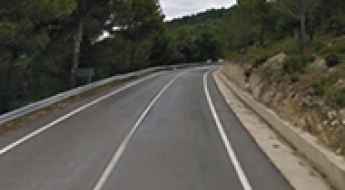
The brutal climb to Puerto de Onil with 15% ramps
Puerto de Canalís de Onil is a mountain pass at an elevation of 1.015m (3,330ft) above the sea level, located in the comarca of L'Alcoià, in the province of Alicante, in the Valencia region of Spain.
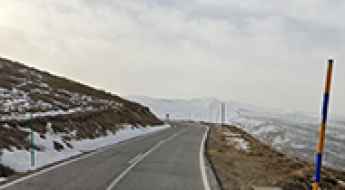
Driving the Iconic Road to Collado del Diablo in Sierra Nevada
Collado del Diablo is a high mountain pass at an elevation of 2,319m (7,608ft) above sea level, located in the province of Granada, in Spain.
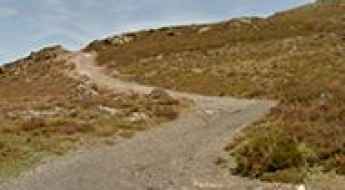
Is the road to Pico El Morredero in León difficult to drive?
Reaching the summit of Pico El Morredero is a short but brutal climb into the high peaks of the Montes Aquilanos. At 2,021m (6,630ft) above sea level, this peak in the Province of León offers one of the most raw driving experiences in the El Bierzo region. This isn't a road for tourists; it’s a rugged service track that carves through the slate and shale of the northern Spanish highlands, where the wind always blows and the grip is never guaranteed.
The volcanic road to Playa del Paso on the Canary Islands
Playa del Paso is a small beach with crystal blue water and black sand located in Lanzarote, one of the Canary Islands, in Spain.
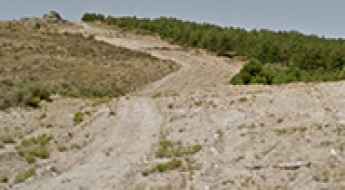
A desert-like 4x4 road to Cerro de Maria Antonia in Andalusia
Cerro de Maria Antonia is a high mountain peak at an elevation of 1,924m (6,312ft) above sea level, located in Almeria Province, in the autonomous community of Andalusia, Spain.
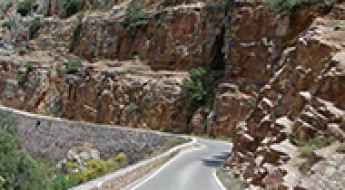
A wild blocked road through Estrecho del Hocino in Albacete
Estrecho del Hocino is a very scenic canyon located in Albacete province, in Spain. It’s one of the most scenic canyon roads in the country.
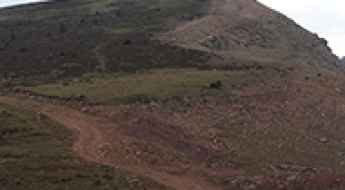
A memorable 4x4 road trip to Pico de Urbion
Pico de Urbión is a high mountain peak at an elevation of 2,168m (7,112ft) above sea level, located in the northern part of the province of Soria, in Spain.
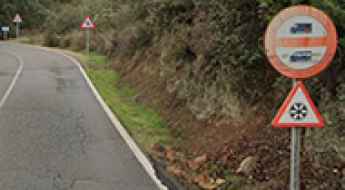
Driving the Alto del 14% in Córdoba: The 16% wall of Los Villares
Located in the heart of the Sierra Morena, within the Los Villares Park in Andalusia, the ascent to Alto del 14% is a legendary test of power and braking. Reaching an elevation of 570m (1,870ft) above sea level, the road—officially designated as the CO-3408—is a technical artery connecting Córdoba with Cerro Muriano. It is a journey defined by a paradox: despite the popular name and the official signage, the actual mechanical demand on the ramps far exceeds what the traffic signs suggest.
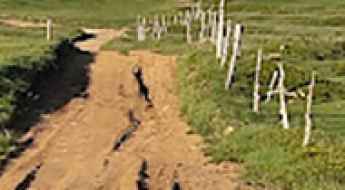
A Memorable 4x4 Road Trip to Alto del Hornillo in Teruel
Alto del Hornillo is a high mountain pass at an elevation of 1,999m (6,558ft) above sea level, located in the province of Teruel, in Spain.
A wild unpaved road to Tuc del Montanyo in the Pyrenees
Tuc del Montanyó is a high mountain peak at an elevation of 2,532m (8,307ft) above sea level, located in the province of Lleida, Spain. It's one of the highest roads in the country.
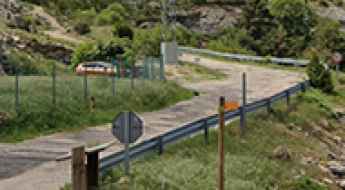
How to Get to Pico del Aguila by Car in Huesca
Pico del Águila is a high mountain peak with an elevation of 1,611m (5,285ft) above sea level, located in the autonomous community of Aragón, in Spain.
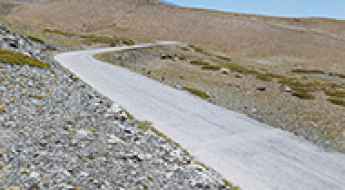
The Hardest Mountain Pass the Vuelta Doesn’t Dare to Climb (And It’s Not Angliru or Ancares)
The Vuelta a España, one of the most important races on the UCI World Tour, has already turned legendary climbs like the Angliru, Ancares, and Gamoniteiru into mythical battlegrounds of modern cycling. These mountains have defined eras of the race, producing unforgettable images of riders battling impossible gradients and writing cycling history. Yet, despite all this, the Vuelta still has one giant waiting in the wings for its long-awaited debut.
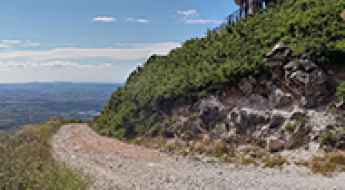
The road to Creu de Miramar in Tarragona will take your breath away
Creu de Miramar is a mountain peak at an elevation of 780m (2,559ft) above sea level, located in the Camp de Tarragona region in Catalonia, Spain.
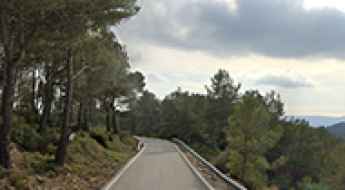
If you love to drive, you’ll love the curvy road to Alt de la Talaia in Tarragona
Alt de la Talaia is a mountain pass at an elevation of 561m (1,840ft) above sea level, located in the comarca of Baix Penedès, in Spain.
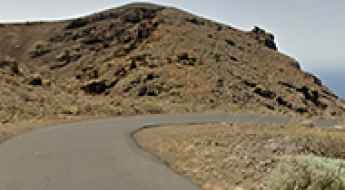
How to get by car to Orchilla Lighthouse in the Canary Islands?
Faro de Orchilla, also known as Faro de Punta de la Orchilla, is an iconic lighthouse located on the western side of El Hierro, the smallest of the Canary Islands, in Spain. It marks the most southwesterly point in Spain.
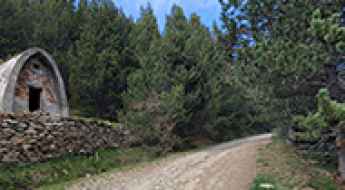
A memorable road trip to Refugi de Comes de Rubio in the Pyrenees
Refugi de Comes de Rubió is a high mountain refuge at an elevation of 1.957m (6,420ft) above sea level, located in Pallars Sobirà comarca, in Spain.
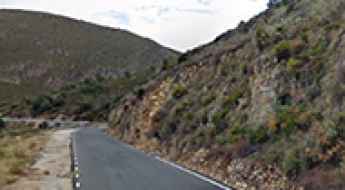
Driving a winding paved road to Puerto Camacho in Andalusia
Puerto Camacho is a mountain pass at an elevation of 1,126m (3,694ft) above sea level, located in the Spanish province of Granada.
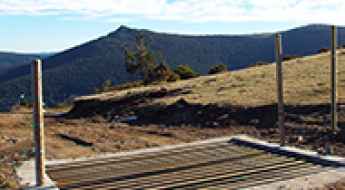
Adventure along the wild road to Alto de las Tres Cruces
Alto de las Tres Cruces is a high mountain pass at an elevation of 1,897 meters (6,223 feet) above sea level located in Spain.
Driving the Wild 4x4 Road to Coll del Pal in Serra Cavallera
Coll del Pal is a high mountain pass at an elevation of 1,726m (5,662ft) above sea level, located in the autonomous community of Catalonia, Spain.
The steep unpaved road to Pic Bony de l'Aigua Blanca in the Pyrenees
Pic Bony de l'Aigua Blanca is a high mountain peak at an elevation of 2.543m (8,343ft) above sea level, located in the province of Lleida, Spain. It's one of the highest roads in the country.
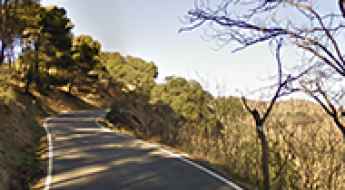
A Wild Paved Road to Puerto del Leon in Malaga
Puerto del León is a mountain pass at an elevation of 955m (3,133ft) above sea level, located in Málaga province, Spain. The climb is very popular with bikers in Andalusia.
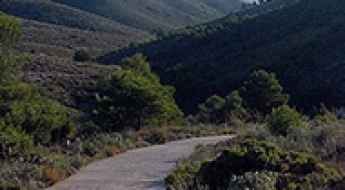
How to Get to Serra de la Vila by Car in Villena?
Serra de la Vila is a prominent mountain ridge at an elevation of 774m (2,539ft) above sea level, located in the province of Alicante, Spain. Standing directly above the historic city of Villena, the summit is a well-known landmark in the Alt Vinalopó region.
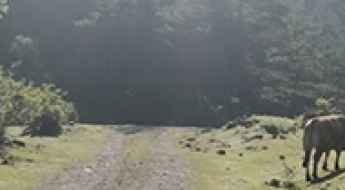
How to drive the unpaved 4x4 track to Refugi del Gònec?
Refugi del Gònec is a mountain refuge at an elevation of 1,765 meters (5,790 ft) above sea level, located in the Cerdanya comarca, within the Lleida province of Catalonia, Spain. Situated on the northern slopes of the Serra del Cadí, the high-altitude shelter is reached via an unpaved mountain track starting from the village of Pi.
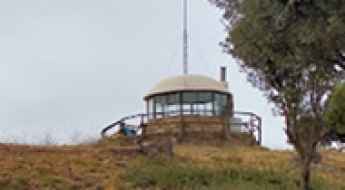
Driving the unpaved road to Cerro de la Salchicha in Andalusia
Cerro de la Salchicha is a high mountain pass at an elevation of 1,546m (5,072ft) above sea level, located in the Spanish province of Granada.
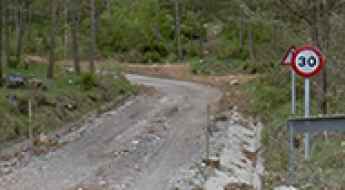
Road to Serrat de la Figuerassa: Driving the 1,494m Piste in Berguedà
Located in the comarca of Berguedà, in the province of Barcelona, Serrat de la Figuerassa is a high mountain peak reaching an elevation of 1,494m (4,901ft) above sea level. Situated in the Pre-Pyrenees of Catalonia, Spain, the summit serves as a strategic location for the Repetidor de la Figuerassa, a prominent telecommunication tower.
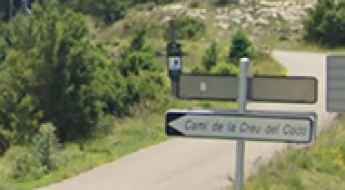
How to Get to Creu del Codo by Car in Lleida?
Reaching an elevation of 1,508m (4,947ft) above sea level, Creu del Codó is a mountain peak located in the Solsonès comarca of Lleida, Catalonia. The summit is home to a strategic viewpoint overlooking the Vall de Lord, providing a full perspective of the Sant Llorenç de Morunys area and the La Llosa del Cavall reservoir.
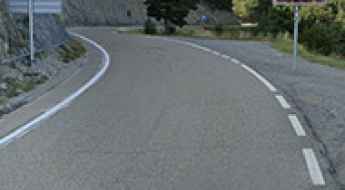
How to drive the technical L-511 road to Coll de Boixols?
Coll de Bóixols (also known as Coll de Boix) is a mountain pass at an elevation of 1,337 meters (4,386 ft) above sea level on the border between the Pallars Jussà and Alt Urgell comarques in Lleida, Spain. The paved L-511 road connects the Tremp basin with the Segre valley across the Pre-Pyrenees.
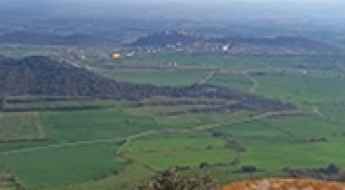
How to Get to Tossal de Boada by Car in Catalonia
Tossal de Boada is a mountain peak at an elevation of 763m (2,503ft) above sea level, located in the autonomous community of Catalonia, in Spain.
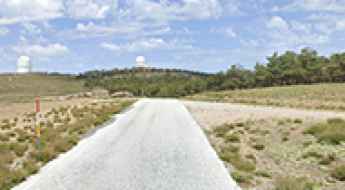
A memorable road trip to Collado del Hornillo in Andalusia
Collado del Hornillo is a high mountain pass at an elevation of 2.115m (6,938ft) above sea level, located in the province of Almería, in Spain.
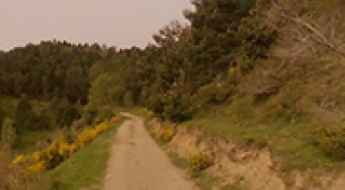
A Truly Outstanding 4x4 Adventure to Collada Verda
Collada Verda is a high mountain pass at an elevation of 1,611m (5,285ft) above sea level, located in the Girona province of Catalonia, in Spain.
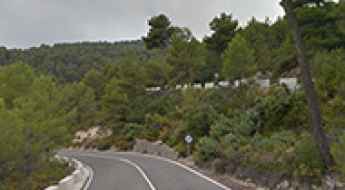
Driving the curvy paved road to Port de Tudons in Alacant
Port de Tudons is a mountain pass at an elevation of 1,030m (3,379ft) above sea level located in the province of Alicante, in Spain. It is the most popular mountain pass near the city of Alicante and it has been featured in the Spanish Vuelta race.
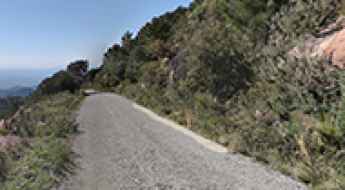
Monte Bartolo: Driving to the Highest Peak of Desert de les Palmes
Located in the province of Castelló, on the Costa del Azahar (Valencian Community), the road to Monte Bartolo offers one of the most breathtaking balconies in eastern Spain. Reaching the summit at 729m (2,391ft), the route provides a 360-degree view that stretches from the rugged inland mountains to the Mediterranean horizon.
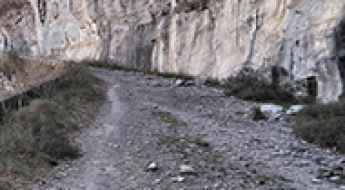
Peña Angulo Pass: Exploring the Abandoned BU-550 Road in Burgos
Peña Angulo is a mountain pass at 735 m (2,411 ft) above sea level, located in the province of Burgos, Spain. The old road that once crossed the pass was part of the BU-550 and for decades connected the Basque Country with Burgos. Because of constant rockfalls and unstable slopes, the road was replaced in the early 1990s by a modern alignment that includes a 580 m tunnel. Both the old and new sections are paved. The original one is now closed and abandoned.