Vehicles and driving

Beyond Navigation: GPS Technology as a Lifeline on High-Risk Routes
On the world’s most remote tracks, a GPS is no longer just a tool for turn-by-turn directions; it is a critical safety system. When traversing environments where cellular signals vanish and road conditions change by the hour, GPS tracking provides the only reliable link between an expedition and the outside world. From real-time location sharing to monitoring vehicle telemetry under extreme stress, this technology has revolutionized the safety standards of modern overlanding.

Managing EV Range on Extreme Mountain Routes
Planning a long-distance expedition in an Electric Vehicle (EV) requires a fundamental shift in strategy compared to traditional internal combustion engines. While EVs offer instant torque—ideal for steep climbs—the variables of altitude, extreme cold, and remote terrain create a unique set of challenges for energy management. Success on high-risk routes depends on understanding the technical limits of your battery and the physics of regenerative braking.

5 Tips for Driving On Country Roads
Operating a vehicle on rural and secondary road networks requires a significant adjustment in driving style compared to urban highways. Factors such as varying surface materials (gravel vs. asphalt), narrow lanes, and limited visibility demand a higher level of technical skill and preparation. Navigating these challenging roads is a core competency for any serious driver. This guide analyzes five critical protocols to ensure safety and operational efficiency when transitioning from major corridors to unpredictable country lanes.
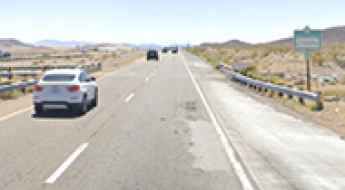
The Most Dangerous Highways in the Golden State: A Look at California’s Most Perilous Routes
The Golden State, known for its breathtaking coastlines, glorious national parks, and vibrant cities, is also infamous for its perilous highways. With a vast network of roads and highways spanning more than 50,000 miles, California's highways see a significant number of traffic accidents each year.

Alpine Survival: 6 Essential Tools for High-Altitude Mountain Passes
Mountain roads are unpredictable environments where the margin for error vanishes as the altitude increases. Beyond basic mechanical preparedness, carrying a specialized toolkit is the difference between a minor delay and a life-threatening situation. When facing sudden blizzards, rockfalls, or equipment failure on remote passes, these six tools are mandatory for any serious expedition rig.

The 6 Most Common Dangers To Cyclists On The Road
As a cyclist, you are at risk every time you ride on the road. Drivers often don't see cyclists, and when they do, they often don't know how to share the road safely. In this blog post, we will discuss the six most common dangers to cyclists on the road. Knowing about these dangers can help you stay safe while cycling!

Overlanding with Pets: Survival and Logistics on the World’s Toughest Routes
Traveling with a dog or cat on an expedition is a massive logistical challenge that goes far beyond basic pet care. When you are crossing the Pamir Highway or navigating the Australian Outback, your pet faces the same risks as you: altitude sickness, extreme dehydration, and isolation from medical help. This guide focuses on the technical and legal requirements for keeping your companion safe on the edge of the map.

8 Critical Protocols for High-Risk Road Trips
A successful expedition through remote territories or high-altitude passes isn't decided on the road; it's decided during the preparation phase. While a standard road trip requires basic planning, tackling the world's most demanding routes demands a rigorous technical protocol. From vehicle recovery to survival logistics, here are the eight essential pillars of expedition planning for the serious adventure driver.

Why Car Covers are a Critical Logistical Tool for Outdoor Missions?
Executing outdoor missions and long-term camping transits exposes vehicles to unpredictable and often hazardous meteorological conditions. Without a solid infrastructure for sheltering, an asset is vulnerable to high-impact damage from hail, prolonged moisture exposure, and extreme thermal fluctuations. Protecting the integrity of the vehicle’s exterior and mechanical systems is a mandatory logistical task to avoid unplanned maintenance costs and structural degradation. This guide analyzes the technical advantages of specialized car covers as a primary tool for risk mitigation on the roads and in remote environments.

Small Tips To Help You Never Lose Your Car Keys
You are all set for a long romantic drive with your partner. The music has been picked and. the mood is set. The only thing remaining is to get into the car and away you go. But that’s when you come across your first roadblock. You can’t find your car keys!

How Much Is It to Rent a Luxury Car in Miami?
If you have a special occasion where you need to show off and want to get an expensive car, you don’t have to buy it or beg a friend to borrow his car, you can just simply rent it. But, then we have another question which is how much is a luxury car rental? Don't worry, we are going to cover everything you need to know about the prices before you book it.

Himalayan Workhorses: Top 5 SUVs for India’s High-Altitude Passes
Navigating the high-altitude passes of the Himalayas—from the Leh-Manali Highway to the treacherous tracks of Spiti Valley—requires more than just standard 4x4 capability. In India, the ultimate test for any SUV is its ability to handle thin air, extreme gradients, and unpredictable landslides. We analyze the five most dependable vehicles that have earned their reputation as the "kings of the mountain" in one of the world's most hostile driving environments.

Trail-Ready: 6 Critical ATV Maintenance Rules for Extreme Terrain
All-Terrain Vehicles (ATVs) are engineered for punishment, but the grueling conditions of remote expeditions—deep mud, water crossings, and high-altitude dust—accelerate mechanical wear at an alarming rate. On dangerous routes, "standard" maintenance intervals are insufficient. To prevent a catastrophic breakdown in the wilderness, you must adopt a proactive, high-intensity service protocol that focuses on the components most vulnerable to environmental failure.

A Guide to Semi Trailers for Trucking
If you didn't already know, not every semi-truck trailer is suited for the jobs that you have. If ever you're moving food and beverages, furniture, or even sporting equipment, you'll need to ensure that you invest in the right semi-trailer. Taking some time to select your trailer is important and it will also save you from added frustration.

Most Common Causes Of Car Accidents In Kansas City, MO
If you expected the largest city in Missouri to have many traffic collisions, you would be correct. According to the Missouri State Highway Patrol, Jackson County, Missouri, saw 95 fatal wrecks and 5,280 injury accidents in 2022. In all, there were 18,670 total wrecks in Jackson County that year.

How to prepare for cycling the world's most dangerous roads?
Cycling on the extreme routes documented on this site—from high-altitude gravel passes in the Andes to the steep, crumbling tracks of the Himalayas—requires a level of preparation that standard road cycling cannot provide. When the asphalt disappears and the gradient stays above 10% for kilometers, safety is no longer about following traffic rules; it is about mechanical survival and understanding how your body reacts to extreme physical stress in isolated environments.

How To Safely Tow a Trailer on Long Distance Trips
Towing a trailer on long-distance trips can be a convenient and practical way to transport goods or enjoy outdoor adventures. However, it also comes with added responsibilities and potential risks. To ensure a safe journey and minimize the chances of accidents, it's crucial to follow specific guidelines and best practices. In this article, we will explore essential tips for safely towing a trailer on long-distance trips.

License Plate Search: A Handy Tool for Personal Safety
Thanks to the development of current technology, tracking and locating automobiles has become a simple task in the digital age. A new investigative tool called a license plate search has completely changed how we recognize and learn about automobiles. Whether you are an individual, a law enforcement officer or a business owner, license plate search can provide beneficial information. In this article, we will look at how it works and how it can be used.
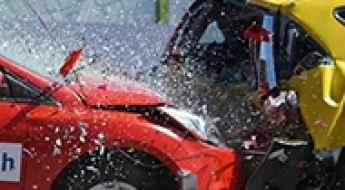
Don't Allow A Car Accident To Ruin Your Life
A car accident can be a traumatic experience that leaves you feeling shaken and uncertain about the future. However, it is essential to remember that a car accident does not have to define your life. With the proper support, you can recover from your injuries and get back on the road to living your life. Here are five things you can do to make sure a car accident doesn't ruin your life:

Planning To Rent A Vehicle in the USA? Here Are Some Helpful Tips
Whether planning a road trip or simply needing a car for a few errands over a short period, renting a vehicle can be a great option to save money on transportation costs, but it's important to do your research and know what you're getting into before signing any paperwork. With multiple rental services available, it can be hard to know which one is right for you.

How To Be As Safe As Possible On Your Next Off-Trail Adventure
Venturing off-trail or onto remote, unpaved tracks is the ultimate expression of freedom, but it demands a shift in mindset from "road tripping" to "expedition logistics." In environments like Death Valley or high-altitude canyons, the margin for error is zero. Survival depends on your ability to be 100% self-sufficient when the pavement ends.

Become A Great Driver With These Easy Tips
Are you looking to become a great driver? If so, there are some easy tips that you can follow to make the process easier. In this article, we will share with you some of the best tips on how to become a great driver. By following these tips, you will be well on your way to becoming a master behind the wheel.

Active Safety Systems and Dynamic Control on High-Risk Routes
Operating a vehicle on extreme gradients or unstable surfaces requires more than basic driving skills; it demands a deep understanding of vehicle dynamics, traction management, and the limits of active safety systems. On dangerous roads, standard safety protocols must be augmented with technical expertise to mitigate the risks of catastrophic mechanical failure or loss of control. This guide analyzes the critical factors of vehicle stability and human-machine interface in high-stress environments.

Is your old catalytic converter worth money? How to check the scrap value of used car parts?
If your car’s exhaust is rattling or you’ve just failed an emissions test, don't just throw the old parts in the bin. That rusty cylinder under your car, the catalytic converter, is one of the most valuable pieces of scrap you can find. It’s packed with precious metals like platinum and rhodium that are worth more than gold. On the roads, a dead converter is a headache, but at the scrapyard, it’s a stack of cash waiting for you.

Driving in Rain or Snow: Which is more dangerous?
Driving is already dangerous enough in sunny weather. Add in some rain or snow and the conditions get especially risky. When you go out in either of these harsh weather environments, it’s important to know how to stay safe. Some people think snow is the more difficult of the two, but the dangers of wet roads need to be talked about.

How to save money on car parts without compromising safety on dangerous roads?
Maintaining a vehicle for extreme driving conditions—from oxygen-thin mountain passes to punishing desert expeditions—can be a significant expense. However, when your journey involves the world's most treacherous terrain, "saving money" must never mean "sacrificing reliability." A cheap brake pad or a low-quality suspension component can have catastrophic consequences on a 15% gradient. This guide explores how to reduce maintenance costs through smart sourcing and preventive care without compromising the safety your car needs for the world's most demanding roads.

Windshield Integrity: Survival and Repair on Extreme Drives
A vehicle’s windshield is far more than a transparent barrier against the elements; it is a vital structural component that provides up to 30% of a cabin’s torsional rigidity. On high-risk routes, where vibrations are constant and debris is unavoidable, a small chip can quickly escalate into a catastrophic failure. Maintaining glass integrity is essential for safety, especially when operating in remote regions far from technical assistance.

6 Things You Need To Know About DUI Cases in the USA
If you are facing DUI charges, it is important to understand the ins and outs of the criminal justice system. In this blog post, we will discuss six things that you need to know about DUI cases. We will cover topics such as pretrial procedures, plea bargaining, and sentencing. By understanding these concepts, you can make informed decisions about your case and protect your rights!
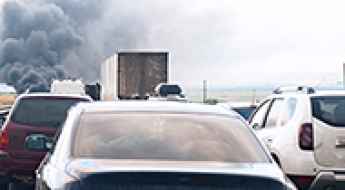
Florida’s Most Treacherous Roads
Florida, known for its sunny beaches, orange groves, and lively theme parks, unfortunately, also has a reputation for some of the country's most dangerous roads. With a booming population, a surge in tourism, and rapidly expanding urban areas, Florida's highways and byways have become crowded and accident-prone. As drivers, pedestrians, and cyclists vie for space, it's essential to know where the risks lie.

Electric Vehicles in Extreme Terrains: Thermal Management and Elevation Dynamics
The transition to Electric Vehicles (EVs) in high-risk overland routes introduces unique engineering challenges that go beyond simple range anxiety. In environments involving extreme gradients and remote geography, factors such as battery chemistry stability, regenerative braking capacity, and the impact of high-altitude hypoxia on cooling systems become critical. This guide analyzes the technical viability of EVs for expedition use in demanding topographical conditions.

Highway Hypnosis & Deadly Distractions: The Silent Killers Behind Road Accidents
Every year, thousands of accidents happen because of one terrifying factor: driver inattention. In the U.S., the National Highway Traffic Safety Administration reports that distracted driving alone caused over 3,500 deaths in a recent year. But there’s another, lesser-known threat that lurks on highways—one that can turn a routine drive into a deadly disaster: highway hypnosis.
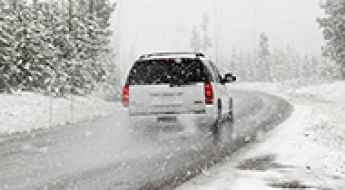
How Drivers Can Avoid Road Accidents in Winter on Snowy US Roads
In December and January, many parts of America turn into winter postcards. The masses of snow deposited on roofs and backyards bring visions of cozy family get-togethers and piping-hot meals. Not to be a spoilsport, but this season is also when road safety takes a hit.

Navigating the Auto Sales Landscape with EpiCar: A Comprehensive Guide
In the dynamic realm of auto sales, finding the perfect vehicle that aligns with your preferences and needs can be akin to navigating a complex maze. However, with the advent of cutting-edge platforms like EpiCar, the journey becomes not only seamless but also enjoyable.

Tips For Driving Safely In A Foreign Country
Driving in other countries can be an exciting and fulfilling experience, allowing you to explore new destinations and immerse yourself in different cultures. However, it's important to remember that driving rules and regulations can vary from one country to another.

The Most Dangerous Roads in The Texas Rio Grande Valley
The Texas Rio Grande Valley (RGV) is a bustling region with a rich cultural heritage, thriving communities, and burgeoning economic activity. However, it is also home to some of the most dangerous roads in Texas. These perilous pathways have gained notoriety for their high accident rates, contributing to severe injuries and fatalities.

Learn What Crucial Things Need To Be Done After A Reckless Driving Incident
A car accident can be catastrophic since it can cause life-changing challenges like serious injuries and financial issues. What's worse is that your pain and suffering may have been caused by someone’s negligence on the road.

The Fatigue Factor: Managing Sleep and Recovery on High-Risk Drives
On remote tracks and high-altitude passes, sleep is not a luxury; it is a critical safety component. Fatigue is responsible for more accidents on dangerous roads than mechanical failure. Maintaining your circadian rhythm while dealing with shifting altitudes, extreme temperatures, and intense physical exertion requires a tactical approach to rest. To ensure peak cognitive performance behind the wheel, overlanders must prioritize recovery as much as fuel logistics.

Being A Good Driver Also Means Thinking Quickly: Read More About It Here
Road accidents have been on an increase over the last few years. One of the main reasons is there are various ways in which drivers are distracted from driving. Driving safely needs total concentration on all sides of the road.
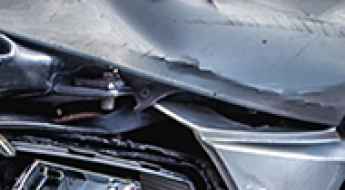
Geotechnical Road Analysis: Identifying Structural Risks in Critical Terrains
Reading the changing conditions of the road surface is critical to avoid mechanical damage or loss of control. Potholes, crumbling edges, and altering tarmac textures are direct indicators of underlying roadbed failures that physically impact vehicle stability.

How to avoid wildlife collisions on forest and mountain roads
Driving through densely forested areas or mountain regions introduces sudden hazards due to large wildlife crossing the tarmac. Scanning the margins of the road and knowing how to execute a panic stop are critical to avoid severe mechanical damage along isolated routes.
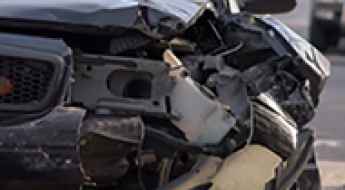
6 Important Steps To Take When In A Traffic Accident
Being involved in a traffic accident can be a traumatic experience, but it is important to remain calm and take the necessary steps to ensure your safety and protect yourself legally. Knowing what actions you should take in the event of an accident can help you navigate this situation as smoothly as possible. Here are six essential steps that you should take after being involved in a traffic accident.

How To Avoid an Accident While Driving in St. Petersburg, FL
St. Petersburg is a beautiful area with award-winning beaches and numerous attractions, making it a popular destination for locals and visitors alike. However, that also means it’s commonly congested with traffic, leading to tens of thousands of collisions throughout Pinellas County annually.
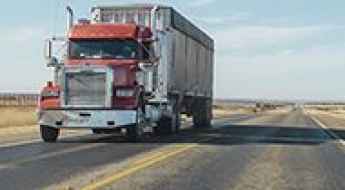
3 Global Truck Accident Hotspots To Be Aware Of
Every year, approximately 500,000 trucking accidents occur in the USA alone, but the global tally is exponentially higher. While driver error and mechanical failure are primary factors, the infrastructure itself is often the leading catalyst for catastrophe. Navigating heavy-duty assets through extreme terrain requires a technical mastery of the environment and a rigorous risk management strategy. This guide analyzes three of the most treacherous roads for truck operations on the planet, from the frozen corridors of Alaska to the cliff-side passes of Brazil.

Survival Logistics: Essential Emergency Supplies for Remote Drives
No traveler plans for an emergency, yet on the world’s most dangerous roads, the transition from a routine drive to a survival scenario can happen in seconds. In high-risk environments—where help may be days away—your preparedness is the only factor that dictates the outcome. This guide moves beyond basic roadside kits to outline the mission-critical supplies required for extreme isolation and vehicle recovery.

How to Shop for Auto Parts Online Like a Pro
Many people grow up waiting for the day they get to own their first car without learning about the responsibilities that come with it. The biggest responsibility that can make car owners stress out often is the high expenses to repair or maintain it.
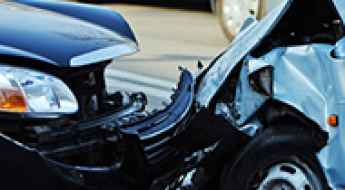
What Are the Most Dangerous Roads in New York State?
Driving in New York State can be treacherous due to several notoriously dangerous roads. I-87, also known as the New York State Thruway, is often cited as the most dangerous road in the Empire State, with frequent fatal crashes documented every year. The layout of the Thruway, with its many twists, narrow passages, and confusing exit ramps, contributes to its peril.

What a VIN Can Tell You About Your Vehicle
A Vehicle Identification Number (VIN) is more than a legal serial; it is a 17-character technical fingerprint that encodes the factory DNA of a machine. For the expedition driver, decoding the VIN is the first step in verifying a vehicle's mechanical threshold—from axle gear ratios to cooling system capacities. In the secondary market for 4x4 and heavy-duty rigs, VIN authentication is critical to ensuring the structural and mechanical integrity of a vehicle before it enters high-risk environments.

What are the essential truck mods for driving dangerous roads?
A stock truck is fine for the highway, but the moment you hit a 15% gradient in the Andes or a corrugated track in the Sahara, factory settings are not enough. Preparing a vehicle for the world's most dangerous roads isn't about looking good; it's about making sure the machine doesn't fall apart under the stress. From brakes that don't melt on a 2,000-meter drop to air intakes that won't choke on desert dust, these are the practical changes you need to survive the most unforgiving terrain on the planet.
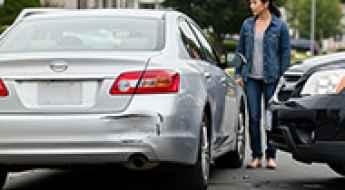
In a Crash? What Are the 10 Essential Things You Must Do After an Accident on the Roads?
The moments following a vehicle collision are often defined by physiological shock and logistical confusion. However, the actions taken in the immediate aftermath are critical for both personal safety and future legal recovery. Maintaining a disciplined, step-by-step protocol is the only way to ensure that your health is prioritized and your rights are protected under state law. This guide analyzes the ten mandatory operational steps to take following an incident on the roads, from initial triage to the final claim filing.

8 Important Benefits Of Getting An Insurance As A Frequent Motorcyclist
As a frequent motorcyclist, it is crucial to consider getting an insurance policy to protect yourself in case of an accident. There are many benefits to getting an insurance policy as a frequent motorcyclist, including financial protection in case of an accident, peace of mind, and peace of mind for your loved ones. So let's take a deeper dive into the reasons why all motorcyclists should take out insurance.
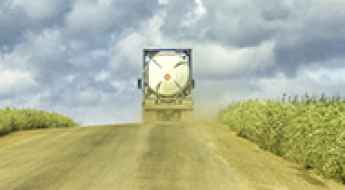
Truckers vs. The Dalton Highway: Alaska’s Most Isolated and Hazardous Road
The Dalton Highway, stretching over 400 miles through the Alaskan wilderness, is one of the most challenging routes for truckers. Built as a supply road for the Trans-Alaska Pipeline, this remote highway presents dangers that few other roads can match. Icy conditions, steep inclines, and long stretches without services make it a true test of endurance and skill. For those who haul goods across this treacherous path, preparation is everything.

Colorado Off Road Trails
For enthusiasts and adventure seekers looking to explore Colorado's rugged beauty, off-road trails offer an unparalleled experience. Colorado boasts some of the most scenic and challenging off-road trails in the United States, providing opportunities for both beginners and experienced off-roaders.

Avoiding a Disaster Road Trip: Why Every Car Adventure Starts with a VIN Check
The open road promises freedom, excitement, and discovery. But behind every thrilling road adventure, there’s a hidden risk: unexpected mechanical failure, hidden damage, or worse, a disaster waiting to happen. Adventure van buyers, especially, face the double challenge of trusting a vehicle that will be their home and their wheels for thousands of miles. Before packing that emergency kit or mapping your dream route, there’s a simple but vital first step: a VIN check.

Car Color and Crash Risk
Choosing a car color often comes down to personal preference. However, research suggests that the color of your vehicle might play a role in your risk of being involved in a crash. While factors like driver behavior, road conditions, and weather play significant roles, studies indicate a correlation between car color and crash involvement. This article explores the relationship between car color and crash risk, drawing upon data from a comprehensive study conducted by the National Highway Traffic Safety Administration (NHTSA).