Vehicles and driving

Is your old catalytic converter worth money? How to check the scrap value of used car parts?
If your car’s exhaust is rattling or you’ve just failed an emissions test, don't just throw the old parts in the bin. That rusty cylinder under your car, the catalytic converter, is one of the most valuable pieces of scrap you can find. It’s packed with precious metals like platinum and rhodium that are worth more than gold. On the roads, a dead converter is a headache, but at the scrapyard, it’s a stack of cash waiting for you.

How To Be As Safe As Possible On Your Next Off-Trail Adventure
Venturing off-trail or onto remote, unpaved tracks is the ultimate expression of freedom, but it demands a shift in mindset from "road tripping" to "expedition logistics." In environments like Death Valley or high-altitude canyons, the margin for error is zero. Survival depends on your ability to be 100% self-sufficient when the pavement ends.

Become A Great Driver With These Easy Tips
Are you looking to become a great driver? If so, there are some easy tips that you can follow to make the process easier. In this article, we will share with you some of the best tips on how to become a great driver. By following these tips, you will be well on your way to becoming a master behind the wheel.

Active Safety Systems and Dynamic Control on High-Risk Routes
Operating a vehicle on extreme gradients or unstable surfaces requires more than basic driving skills; it demands a deep understanding of vehicle dynamics, traction management, and the limits of active safety systems. On dangerous roads, standard safety protocols must be augmented with technical expertise to mitigate the risks of catastrophic mechanical failure or loss of control. This guide analyzes the critical factors of vehicle stability and human-machine interface in high-stress environments.

Driving in Rain or Snow: Which is more dangerous?
Driving is already dangerous enough in sunny weather. Add in some rain or snow and the conditions get especially risky. When you go out in either of these harsh weather environments, it’s important to know how to stay safe. Some people think snow is the more difficult of the two, but the dangers of wet roads need to be talked about.

How to save money on car parts without compromising safety on dangerous roads?
Maintaining a vehicle for extreme driving conditions—from oxygen-thin mountain passes to punishing desert expeditions—can be a significant expense. However, when your journey involves the world's most treacherous terrain, "saving money" must never mean "sacrificing reliability." A cheap brake pad or a low-quality suspension component can have catastrophic consequences on a 15% gradient. This guide explores how to reduce maintenance costs through smart sourcing and preventive care without compromising the safety your car needs for the world's most demanding roads.

Windshield Integrity: Survival and Repair on Extreme Drives
A vehicle’s windshield is far more than a transparent barrier against the elements; it is a vital structural component that provides up to 30% of a cabin’s torsional rigidity. On high-risk routes, where vibrations are constant and debris is unavoidable, a small chip can quickly escalate into a catastrophic failure. Maintaining glass integrity is essential for safety, especially when operating in remote regions far from technical assistance.

Electric Vehicles in Extreme Terrains: Thermal Management and Elevation Dynamics
The transition to Electric Vehicles (EVs) in high-risk overland routes introduces unique engineering challenges that go beyond simple range anxiety. In environments involving extreme gradients and remote geography, factors such as battery chemistry stability, regenerative braking capacity, and the impact of high-altitude hypoxia on cooling systems become critical. This guide analyzes the technical viability of EVs for expedition use in demanding topographical conditions.

6 Things You Need To Know About DUI Cases in the USA
If you are facing DUI charges, it is important to understand the ins and outs of the criminal justice system. In this blog post, we will discuss six things that you need to know about DUI cases. We will cover topics such as pretrial procedures, plea bargaining, and sentencing. By understanding these concepts, you can make informed decisions about your case and protect your rights!
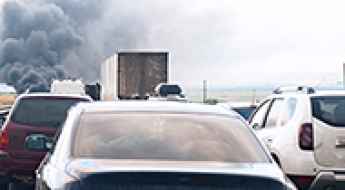
Florida’s Most Treacherous Roads
Florida, known for its sunny beaches, orange groves, and lively theme parks, unfortunately, also has a reputation for some of the country's most dangerous roads. With a booming population, a surge in tourism, and rapidly expanding urban areas, Florida's highways and byways have become crowded and accident-prone. As drivers, pedestrians, and cyclists vie for space, it's essential to know where the risks lie.

Highway Hypnosis & Deadly Distractions: The Silent Killers Behind Road Accidents
Every year, thousands of accidents happen because of one terrifying factor: driver inattention. In the U.S., the National Highway Traffic Safety Administration reports that distracted driving alone caused over 3,500 deaths in a recent year. But there’s another, lesser-known threat that lurks on highways—one that can turn a routine drive into a deadly disaster: highway hypnosis.
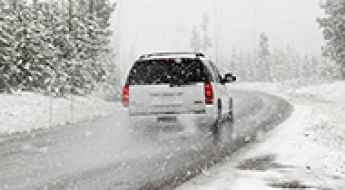
How Drivers Can Avoid Road Accidents in Winter on Snowy US Roads
In December and January, many parts of America turn into winter postcards. The masses of snow deposited on roofs and backyards bring visions of cozy family get-togethers and piping-hot meals. Not to be a spoilsport, but this season is also when road safety takes a hit.

The Most Dangerous Roads in The Texas Rio Grande Valley
The Texas Rio Grande Valley (RGV) is a bustling region with a rich cultural heritage, thriving communities, and burgeoning economic activity. However, it is also home to some of the most dangerous roads in Texas. These perilous pathways have gained notoriety for their high accident rates, contributing to severe injuries and fatalities.

Learn What Crucial Things Need To Be Done After A Reckless Driving Incident
A car accident can be catastrophic since it can cause life-changing challenges like serious injuries and financial issues. What's worse is that your pain and suffering may have been caused by someone’s negligence on the road.

Navigating the Auto Sales Landscape with EpiCar: A Comprehensive Guide
In the dynamic realm of auto sales, finding the perfect vehicle that aligns with your preferences and needs can be akin to navigating a complex maze. However, with the advent of cutting-edge platforms like EpiCar, the journey becomes not only seamless but also enjoyable.

Tips For Driving Safely In A Foreign Country
Driving in other countries can be an exciting and fulfilling experience, allowing you to explore new destinations and immerse yourself in different cultures. However, it's important to remember that driving rules and regulations can vary from one country to another.

Being A Good Driver Also Means Thinking Quickly: Read More About It Here
Road accidents have been on an increase over the last few years. One of the main reasons is there are various ways in which drivers are distracted from driving. Driving safely needs total concentration on all sides of the road.

The Fatigue Factor: Managing Sleep and Recovery on High-Risk Drives
On remote tracks and high-altitude passes, sleep is not a luxury; it is a critical safety component. Fatigue is responsible for more accidents on dangerous roads than mechanical failure. Maintaining your circadian rhythm while dealing with shifting altitudes, extreme temperatures, and intense physical exertion requires a tactical approach to rest. To ensure peak cognitive performance behind the wheel, overlanders must prioritize recovery as much as fuel logistics.

Geotechnical Road Analysis: Identifying Structural Risks in Critical Terrains
Reading the changing conditions of the road surface is critical to avoid mechanical damage or loss of control. Potholes, crumbling edges, and altering tarmac textures are direct indicators of underlying roadbed failures that physically impact vehicle stability.

How to avoid wildlife collisions on forest and mountain roads
Driving through densely forested areas or mountain regions introduces sudden hazards due to large wildlife crossing the tarmac. Scanning the margins of the road and knowing how to execute a panic stop are critical to avoid severe mechanical damage along isolated routes.
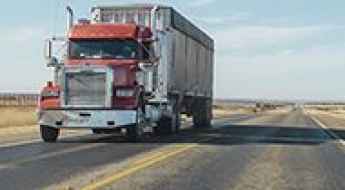
3 Global Truck Accident Hotspots To Be Aware Of
Every year, approximately 500,000 trucking accidents occur in the USA alone, but the global tally is exponentially higher. While driver error and mechanical failure are primary factors, the infrastructure itself is often the leading catalyst for catastrophe. Navigating heavy-duty assets through extreme terrain requires a technical mastery of the environment and a rigorous risk management strategy. This guide analyzes three of the most treacherous roads for truck operations on the planet, from the frozen corridors of Alaska to the cliff-side passes of Brazil.

Survival Logistics: Essential Emergency Supplies for Remote Drives
No traveler plans for an emergency, yet on the world’s most dangerous roads, the transition from a routine drive to a survival scenario can happen in seconds. In high-risk environments—where help may be days away—your preparedness is the only factor that dictates the outcome. This guide moves beyond basic roadside kits to outline the mission-critical supplies required for extreme isolation and vehicle recovery.
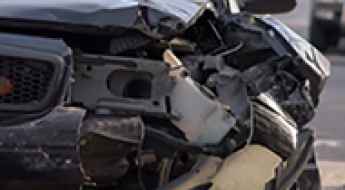
6 Important Steps To Take When In A Traffic Accident
Being involved in a traffic accident can be a traumatic experience, but it is important to remain calm and take the necessary steps to ensure your safety and protect yourself legally. Knowing what actions you should take in the event of an accident can help you navigate this situation as smoothly as possible. Here are six essential steps that you should take after being involved in a traffic accident.

How To Avoid an Accident While Driving in St. Petersburg, FL
St. Petersburg is a beautiful area with award-winning beaches and numerous attractions, making it a popular destination for locals and visitors alike. However, that also means it’s commonly congested with traffic, leading to tens of thousands of collisions throughout Pinellas County annually.

What a VIN Can Tell You About Your Vehicle
A Vehicle Identification Number (VIN) is more than a legal serial; it is a 17-character technical fingerprint that encodes the factory DNA of a machine. For the expedition driver, decoding the VIN is the first step in verifying a vehicle's mechanical threshold—from axle gear ratios to cooling system capacities. In the secondary market for 4x4 and heavy-duty rigs, VIN authentication is critical to ensuring the structural and mechanical integrity of a vehicle before it enters high-risk environments.

How to Shop for Auto Parts Online Like a Pro
Many people grow up waiting for the day they get to own their first car without learning about the responsibilities that come with it. The biggest responsibility that can make car owners stress out often is the high expenses to repair or maintain it.
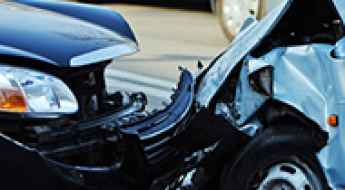
What Are the Most Dangerous Roads in New York State?
Driving in New York State can be treacherous due to several notoriously dangerous roads. I-87, also known as the New York State Thruway, is often cited as the most dangerous road in the Empire State, with frequent fatal crashes documented every year. The layout of the Thruway, with its many twists, narrow passages, and confusing exit ramps, contributes to its peril.

What are the essential truck mods for driving dangerous roads?
A stock truck is fine for the highway, but the moment you hit a 15% gradient in the Andes or a corrugated track in the Sahara, factory settings are not enough. Preparing a vehicle for the world's most dangerous roads isn't about looking good; it's about making sure the machine doesn't fall apart under the stress. From brakes that don't melt on a 2,000-meter drop to air intakes that won't choke on desert dust, these are the practical changes you need to survive the most unforgiving terrain on the planet.

Avoiding a Disaster Road Trip: Why Every Car Adventure Starts with a VIN Check
The open road promises freedom, excitement, and discovery. But behind every thrilling road adventure, there’s a hidden risk: unexpected mechanical failure, hidden damage, or worse, a disaster waiting to happen. Adventure van buyers, especially, face the double challenge of trusting a vehicle that will be their home and their wheels for thousands of miles. Before packing that emergency kit or mapping your dream route, there’s a simple but vital first step: a VIN check.
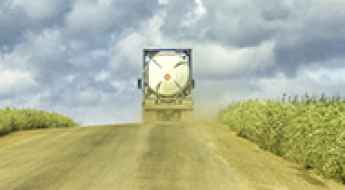
Truckers vs. The Dalton Highway: Alaska’s Most Isolated and Hazardous Road
The Dalton Highway, stretching over 400 miles through the Alaskan wilderness, is one of the most challenging routes for truckers. Built as a supply road for the Trans-Alaska Pipeline, this remote highway presents dangers that few other roads can match. Icy conditions, steep inclines, and long stretches without services make it a true test of endurance and skill. For those who haul goods across this treacherous path, preparation is everything.

In a Crash? What Are the 10 Essential Things You Must Do After an Accident on the Roads?
The moments following a vehicle collision are often defined by physiological shock and logistical confusion. However, the actions taken in the immediate aftermath are critical for both personal safety and future legal recovery. Maintaining a disciplined, step-by-step protocol is the only way to ensure that your health is prioritized and your rights are protected under state law. This guide analyzes the ten mandatory operational steps to take following an incident on the roads, from initial triage to the final claim filing.

8 Important Benefits Of Getting An Insurance As A Frequent Motorcyclist
As a frequent motorcyclist, it is crucial to consider getting an insurance policy to protect yourself in case of an accident. There are many benefits to getting an insurance policy as a frequent motorcyclist, including financial protection in case of an accident, peace of mind, and peace of mind for your loved ones. So let's take a deeper dive into the reasons why all motorcyclists should take out insurance.

Car Color and Crash Risk
Choosing a car color often comes down to personal preference. However, research suggests that the color of your vehicle might play a role in your risk of being involved in a crash. While factors like driver behavior, road conditions, and weather play significant roles, studies indicate a correlation between car color and crash involvement. This article explores the relationship between car color and crash risk, drawing upon data from a comprehensive study conducted by the National Highway Traffic Safety Administration (NHTSA).

Colorado Off Road Trails
For enthusiasts and adventure seekers looking to explore Colorado's rugged beauty, off-road trails offer an unparalleled experience. Colorado boasts some of the most scenic and challenging off-road trails in the United States, providing opportunities for both beginners and experienced off-roaders.

If you are planning to drive the world’s most dangerous roads, here are your car essentials
Driving on the world's most dangerous roads can be an exhilarating and challenging experience. Whether you are embarking on a thrilling adventure or simply need to navigate treacherous terrain, it is essential to be prepared with the right car essentials. From a DIY medical kit to adequate clothing, here are some must-have items to ensure your safety and peace of mind.

Cognitive Overload: Managing Distractions on the World’s Most Dangerous Roads
On high-risk highways, the primary cause of accidents isn't mechanical failure, but the collapse of the driver's focus. When navigating narrow ledges, unstable surfaces, and extreme gradients, the brain is under a massive "cognitive load." Even a momentary lapse in concentration—caused by internal or external factors—can have catastrophic consequences where there is zero margin for error. Understanding the real-time threats to your attention is vital for survival.

What to Do if You Encounter Dangerous Road Rage
Road rage incidents are unfortunately not uncommon occurrences on today's roads. From aggressive tailgating to violent outbursts, encountering dangerous road rage can be a frightening experience.

Trunk organization: Securing tools and recovery gear inside the vehicle
Organizing and securing the cargo inside the vehicle trunk is an essential step before entering rough mountain tracks. Loose tools, heavy jacks, and iron shackles turn into dangerous projectiles during sudden bumps or hard braking if they are not firmly anchored to the vehicle floorboards.

New Vehicle Acquisition? How to Make a Data-Driven Decision When Buying a Car ?
Procuring a vehicle is a high-stakes logistical investment that requires a rigorous audit of both financial and technical variables. With an oversaturated market, making a successful acquisition depends on your ability to filter options based on operational efficiency, safety protocols, and long-term asset value. Whether you are expanding a personal fleet or upgrading for professional transit, navigating the roads requires a machine that aligns with your specific mission profile. This guide analyzes the essential metrics for making an informed purchase, from TCO calculations to environmental impact audits.
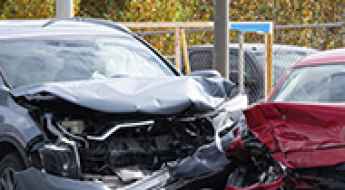
Travel Trouble: How To Avoid Accidents on Road Trips
Road trips like this are not limited to the summer months. Approximately 49.1 million Americans expect to travel to their Thanksgiving destinations by automobile. You and your loved ones may be planning a road trip for the holidays, for a graduation, or just to get away and spend time as a family.

4 Tips for Making a Car Accident Claim
Think about this. You are an experienced driver who hasn't had a single accident since you received your license. You know the ways of defensive driving and you go above and beyond in keeping every passenger in your vehicle safe.

Gear Up: A Guide to Different Types of Bikes
There is no better and more exhilarating experience than purchasing a new bike, and there's no time like the present to do so. With advancements in technology and designers catering to every type of cyclist, bikes have become more practical, dependable, and enjoyable to ride.

Roof racks and crosswinds: Driving with external loads on mountain roads
Carrying oversized external gear or heavy roof loads alters the physics of a vehicle. On narrow mountain roads and steep switchbacks, roof-mounted weight shifts the center of gravity upward and creates a sail effect that compromises vehicle stability during sudden wind gusts.
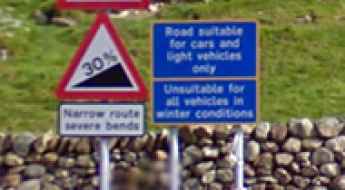
Untold Stories: Number Plates and the UK’s Most Challenging Roads
It's hard to talk about driving in the UK without mentioning our unique, often daunting roads. But today, I want to bring attention to a seemingly minor detail that holds a world of significance: our UK number plates.

5 Ways to Reduce the Risks of Distracted Driving
Distracted driving is a growing concern and can lead to devastating consequences. In 2019 alone, distracted driving caused almost one million accidents in the US and resulted in nearly 3,000 deaths, and such incidents are only increasing each year. This is due to a range of issues, but most commonly involves the use of mobile phones.
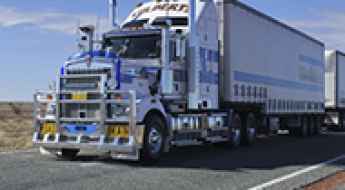
Heavy Haulage: 6 Technical Facts About Trucks on the World’s Most Dangerous Roads
Trucks are the lifeblood of the global economy, especially in regions where rail and air infrastructure are non-existent. Navigating a 40-ton vehicle through high-altitude passes or monsoon-soaked mud tracks is a feat of engineering and human skill. To understand the world’s most dangerous roads, one must understand the machines built to conquer them. From the first 1.5-hp engine to modern multi-axle monsters, here are six essential facts about heavy haulage in extreme environments.
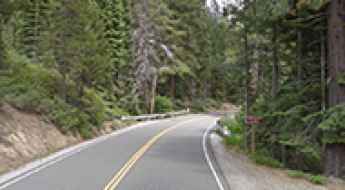
Most Dangerous Roads in California
California's vast and varied landscape includes some of the most scenic drives in the country, winding along the Pacific coastline, cutting through lush forests, and traversing desert plains. However, the state is also known for its dangerous roads, where the beauty of the environment can quickly turn treacherous for drivers. Factors contributing to these hazards include winding mountain passes, dense fog, heavy traffic, and challenging weather conditions, which all play a role in the frequent car accidents on these roads.

The Impact of Distracted, Drunk, and Drowsy Driving
When it comes to road safety, some behaviors can turn even the safest of roads into perilous stretches of asphalt. Among these, the "Deadly D's" – Distracted, Drunk, and Drowsy driving – stand out as significant contributors to accidents and fatalities on dangerous roads. In this article, we'll get into how these behaviors exacerbate risks on hazardous routes and explore steps to mitigate their impact.

How to Prepare for Driving and Travelling Across Europe
Europe remains a hugely popular destination for travellers with its vibrant cities, museums, restaurants, nightlife, architecture and more. And there’s no better way to explore than by renting a car and setting out on a road trip that you’ll never forget.
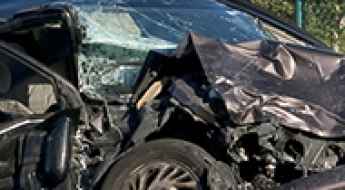
Trends in Fatal Crashes Involving Speeding and Aggressive Driving
Speeding and aggressive driving are two major causes of fatal car crashes that have been a concern for many years. According to the National Highway Traffic Safety Administration (NHTSA), speed is a factor in approximately one-third of all fatal car crashes in the United States. Additionally, aggressive driving behaviors, such as tailgating and weaving in and out of traffic, increase the risk of crashes and fatalities on the road.
8 Risky Roads to Drive in India: Key Preparations
Being a tourist in India is not without its challenges. Driving the roads of this country’s landscape is no exception, with some of the riskiest roads in the world belonging to this third world nation.

Why Certain Roads Become Notoriously Dangerous: A Closer Look
Why do some roads earn a notorious reputation for danger? It's not just about sharp curves or steep inclines. Factors such as design flaws, inadequate maintenance, and high traffic volumes can also combine to create hazardous conditions.

Stay Sharp on Long Hauls: All-Natural Alertness Aids for Drivers
You've been driving for what feels like an eternity. The endless highway is starting to blur, your eyelids growing heavier by the mile. You crack the window for some fresh air and turn up the radio, hoping the blast of cold and surge of sound will jar you back awake. But still, drowsiness threatens to take over.

7 Technical Criteria for Buying a Used Adventure Vehicle
Selecting a used vehicle for long-distance travel on high-risk routes is a high-stakes decision. Unlike buying a city car, an expedition rig must withstand extreme mechanical stress, thermal cycles, and structural vibration. Whether you are looking for a rugged 4x4 or a dual-sport motorcycle, your pre-purchase inspection must focus on structural integrity and mechanical simplicity rather than cosmetic perfection.