Vehicles and driving
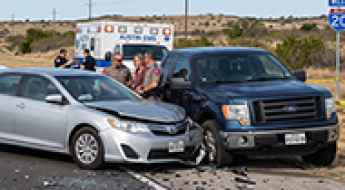
After an accident, maybe on Route 70 or in the Wegmans parking lot, you feel disoriented. You know you need legal help, but how do you choose? Most people check online reviews, but those only tell part of the story. The flashy billboard doesn't tell you what you really need to know.

The procurement of the correct mechanical components is a foundational task for maintaining the operational safety and longevity of any vehicle. On the roads, where performance and reliability are non-negotiable, installing a part that does not meet the exact manufacturer specifications can lead to systemic failures, voided warranties, and compromised safety. With the proliferation of diverse trims, engine types, and mid-year updates, the identification process requires a disciplined, data-driven approach. Navigating the selection between Original Equipment Manufacturer (OEM) and aftermarket options demands more than a cursory search; it requires a forensic audit of vehicle data to ensure a precise match for every technical intervention.

Getting a car is exciting, but figuring out the best way to pay for it can be confusing. Between interest rates, deposits, and repayment terms, it’s easy to lose track of what you can afford and what might rope you into an agreement you’ll regret in a month.

Rocks hit hard when mountain roads turn to gravel. Chips start small, but they grow. Grit hides in wheel arches. Mud and salt dig deep. Gradually, paint flakes, and rust creeps in. Ready to keep your car looking sharp on trips through the rough country? Simple steps protect more than shine. Follow along for practical fixes you can trust.

Taking a vacation is a great way to relax and recharge, but it can be challenging if you have a large dog. You want your furry friend to join in on the fun, but their comfort and happiness should come first. Large dogs have special needs, so planning is key. You'll need to find pet-friendly accommodation and pack the necessary supplies to ensure a smooth trip for you and your dog.

Something cannot be resistable about the open road: the tires humming, the windows open, the plans at least to the horizon. However, a good road trip begins a long time before you start the engine. Getting a bit of preparation can help keep you safer, reduce stress, and safeguard your loved ones.

There is a unique allure to classic cars that goes beyond mere transportation. These vehicles carry history, craftsmanship, and a personality all their own. Driving a classic car on an open highway offers an experience that modern vehicles often cannot replicate.

Rain, hail, and other severe weather can be a serious problem on the road. If you get caught behind the wheel in one of these situations, it’s important to stay calm and drive with extreme caution.

Navigating challenging roads demands a vehicle you can trust. Unforeseen defects can turn an adventurous drive into a dangerous ordeal. Understanding your legal protections can make all the difference when safety is at stake.

Renting a vehicle for professional expeditions or high-impact travel is a logistical task that requires a detailed audit of insurance coverage, mechanical integrity, and contract transparency. Navigating the rental market on the roads involves more than selecting a brand; it demands a strategic approach to mitigate hidden costs such as airport surcharges, fuel penalties, and inadequate insurance. Whether you are acquiring a high-performance sedan for a corporate event or a rugged SUV for a family journey, success depends on a proactive verification of the vehicle’s condition and a clear understanding of your liability. This guide analyzes the essential protocols for securing a rental vehicle that aligns with your operational needs and budget.

Being a roadie is thrilling, but managing student debt on the road requires planning and discipline. Many remote workers and digital nomads struggle to balance travel and loan payments. With careful budgeting and smart financial tools, you can stay debt-free without giving up your lifestyle.

A bicycle crash on a remote highway can feel overwhelming. But by knowing the right actions to take, you can ensure your safety and protect your rights for future support.

If someone had told me 6 years ago that I would spend a huge part of my life writing about bikes — including e-bikes — I would’ve laughed and said, “You’re crazy.” Back then, bikes were just… bikes. Two wheels, a frame, a chain — nothing complicated. But over the years, technology evolved, cycling culture evolved, and I evolved with it. And somewhere along that journey, e-bikes started showing up quietly, and eventually, they changed everything.

You see them everywhere. Long stretches of highway in Georgia packed with giant trucks hauling everything from lumber to milk. It’s part of everyday life. They move slowly when you want to go fast. They block your view when you’re trying to merge. Still, they’re a necessary part of how things work. In fact, they are crucial for the economy.

Buying a car is an exciting milestone, but the financial commitments that come with it can be daunting. Many consumers enter into agreements without fully understanding their obligations, which can lead to long-term challenges. Being informed about your options and responsibilities is essential for protecting your finances.

You walk away from the wreck shaken but pretty much unharmed. The paramedics come over and make sure that’s the case. You go home thinking, Wow, I really just dodged a bullet. And then, bam! Three days later, you wake up with difficulty turning your head. Your back hurts, your shoulders are sore as if you’d just boxed, and every movement stings. What’s going on? Why are you experiencing more pain at the moment than when the accident first occurred?

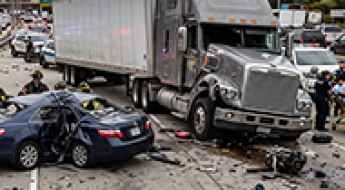
Truck accidents are usually complex. The consequences of a truck accident are generally greater than those of a car accident. The outcome of these cases is often determined by the web of federal and state rules designed to keep big vehicles safe. When you understand how those regulations function, it can make a world of difference if you or someone you love is seeking compensation after a serious crash.

After an accident, one of the most confusing parts of the recovery process is figuring out what your claim might be worth. Medical bills, property damage, lost wages, and emotional distress all factor into your potential settlement, yet most people don’t know where to start.

Sponsored Content
Disclosure: This article is sponsored by RoadLinx. The content below is promotional in nature. We aim to provide valuable insights while ensuring full transparency regarding our partnerships.

In today’s highly competitive market, cost efficiency is one of the biggest challenges Canadian businesses face—especially those involved in cross-border trade. Whether you’re a manufacturer, wholesaler, or e-commerce brand, optimizing your logistics strategy can significantly reduce overhead and improve overall profitability. With the right approach, smart logistics solutions don’t just cut costs—they boost your supply chain’s efficiency, reliability, and speed.

Driving in a new country can feel exciting and a little overwhelming at the same time. The roads look familiar enough, but the rules hit differently. And when you’re a temporary resident in the United States, every step from getting the right ID to securing the right insurance can feel like a puzzle. The good news is that once you understand how everything fits together, the whole process becomes a lot smoother.

Australia's mountain passes and challenging roads offer some of the most spectacular driving experiences in the world. From the serpentine bends of the Great Alpine Road to the treacherous descents of McKillops Road, these routes test even the most experienced drivers. 

Long Island gives bikers a lot of reasons to go for a ride. You have long stretches of shoreline, quiet back roads through small towns, and scenic routes that feel like they were perfectly built for two wheels. Ocean Parkway, the North Shore’s winding roads, and the classic run to Montauk are favorites for many. But even the best rides come with risks when traffic, speed, and sudden stops mix together.

If you’ve ever gone through something as sudden and violent as a truck accident, you already know how fast your brain can shut down and switch into pure survival mode. This is where a lot of people make mistakes, not because they’re careless, but because they’re overwhelmed, exhausted, or just trying to be polite.

A long road trip is something really satisfying. Hard to beat are the open highway, the scenery, and the freedom it brings. That can be euphoric, though, when you have the realization mid-drive that you left something important behind. That is why a careful packing checklist is not only useful, but also necessary.

Road barriers are among the greatest inventions for keeping us safe while driving. They serve multiple purposes, but accident prevention and minimization are where they shine; here are a few reasons why.

Scranton is a city with a rich history, lively neighborhoods, and a mix of residential and commercial corridors used by thousands of drivers each day. Like many urban areas, Scranton experiences traffic congestion, commuter travel, and a variety of road conditions that can affect driver safety. 

Every year, thousands of car crashes happen for a reason that seems harmless at first: distraction. A quick glance at a phone screen, reaching for a drink, or changing the music — it all adds up. According to the National Highway Traffic Safety Administration (NHTSA), taking your eyes off the road for just five seconds at highway speed is like driving the length of a football field blindfolded. That’s a chilling thought.

Learning to drive can feel like a big leap, but the right plan makes it manageable. With focused practice, steady feedback, and a calm mindset, you can turn early nerves into reliable habits that stick. This guide breaks the journey into clear steps you can follow. You will learn how to structure lessons, practice smarter between sessions, and handle common challenges without second-guessing yourself.

In January 1972, Florida launched its no-fault insurance system, which requires drivers to have Personal Injury Protection (PIP). The system has been in place ever since and was designed to reduce the number of lawsuits flowing through Florida courts by providing coverage through each individual’s own insurance for medical expenses and lost wages, regardless of fault.

A narrow lane beside a drop feels calm, until the first tight bend arrives quicker than expected. Your hands tense, and your eyes jump between the edge line and the next sign ahead. On roads like these, small timing errors can stack into real danger within just seconds.

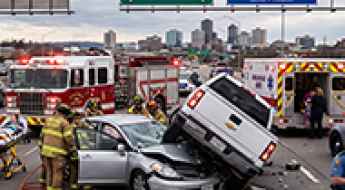
The seconds following a collision are critical for the long-term resolution of any insurance or legal claim. Navigating the aftermath on the roads requires more than a reactive response; it demands a structured audit of the incident scene, forensic data collection, and a disciplined communication strategy with insurers. From securing the perimeter to the technical valuation of property damage and bodily injury, every step in the claims process must be executed with precision. A professional approach to post-accident logistics ensures that your rights are protected and that the restitution reflects the true extent of the damages sustained. This guide analyzes the essential stages of the car accident claims protocol.

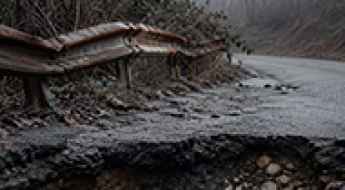
Car accidents can result from many causes, such as driver error, weather, and vehicle defects. However, when an accident occurs because the road itself is dangerous, figuring out who is liable can be complicated, and it varies widely around the world.

An impaired driving accident can disrupt both personal life and professional goals in an instant. These crashes often involve serious injuries that require long recovery times. Business professionals may also face missed work and added financial strain.

Italian supercars sit at the crossroads of art and engineering, luring drivers from every corner to explore exotic car rentals near you. Their sculpted lines express speed even while parked, promising a rental experience that transcends ordinary luxury car rental adventures. Whether you crave the prancing horse or the raging bull, each marque channels racing heritage into sports cars suitable for street pleasure.

The increasing frequency of accidents on our roads underscores a pressing need for awareness regarding the critical risk oversights that jeopardize public safety. From distracted driving to negligence in road maintenance, a multitude of factors contribute to making roads perilous for all users.

Drivers who regularly tackle unstable passes, cliffside switchbacks, and bone-rattling back roads already understand how fast a vehicle can get pushed to its limits. One wrong bump can shake loose parts that usually last for years, and the upper control arm is often the first to feel it. When suspension components endure that kind of punishment, ignoring maintenance is neither brave nor adventurous. It is a shortcut to sloppy steering, uneven tires, and moments behind the wheel that feel far too exciting for the wrong reasons.

Accidents in Kensington can happen suddenly, often leaving those involved feeling uncertain about what to do next. Busy streets, frequent traffic, and dense pedestrian activity contribute to the risk of incidents. Having a general understanding of your rights after an accident can help you make informed decisions and approach the situation with greater clarity during an otherwise stressful time.

A competent service advisor is the prime cog that converts the customer complaint into an effective action-oriented solution while maintaining safety, efficiency, and trust. The job requires a blend of technical knowledge, interpersonal skills, and business awareness that has an immediate impact on repair results. When done earnestly, this increases customer satisfaction and finally sustains the long-lasting health of the vehicle. Here are skill areas that really make a burden on how service advisors contribute to road-ready vehicles.

Driving on dangerous roads requires more than just skill; it demands awareness and preparation. Risky driving behaviors can lead to serious consequences, especially in high-traffic areas like Washington DC. Understanding the risks and knowing how to respond can significantly reduce your chances of a car crash.

The pursuit of unmapped waters often leads drivers to the edge of the drivable world. Mountain passes in ranges like the Andes, the Himalayas, or the Alps present some of the most formidable driving challenges on the planet. These roads frequently consist of narrow gravel shelves cut directly into the cliff face. One small error in steering or braking can result in a fatal drop. Consequently, the reward for navigating these routes is access to glacial lakes that remain untouched by mass tourism.

Operating a vehicle on the world’s most demanding roads requires more than just mechanical readiness; it demands a professional approach to driver ergonomics and personal protection. High-altitude passes, extreme thermal fluctuations, and technical maneuvers place significant physical stress on the operator. Inadequate gear can lead to restricted movement, reduced blood flow, and thermal fatigue, all of which compromise situational awareness and reaction times. Auditing your attire is a critical component of mission safety, ensuring that every layer supports mobility and precise control of the vehicle’s interfaces in volatile environments. This guide analyzes the technical requirements for driver gear when navigating complex and hazardous terrains.

When the route ahead is risky, the vehicle and plan you choose can make the difference between a smooth trip and a stressful one. Temporary transit options range from rental cars to shuttles and private transfers, but the right pick depends on road conditions, your skills, and your tolerance for uncertainty.

That morning light stretches across the room, soft and uneven. Stillness sits between boxes, half-open, tape curled at the edges. People move fast, hands busy with straps and lifts. Yet slow behind them are the hidden chances for trouble. This shift from home carries more than weight; it carries uncertainty.

There’s something different about a theme park road trip. It starts before you ever see the park gates. Before the music. Before the rides. It starts with the car packed a little too tight, coffee in the cup holder, and that quiet hum of the road stretching ahead.

Speed can feel smooth on a bike. The road opens up, the engine settles into a steady rhythm, and everything seems under control. Risk often arrives differently. A driver changes lanes without checking mirrors. Gravel appears mid-corner. A left turn cuts across your path. The gap between a normal ride and a life-changing event can be one second.

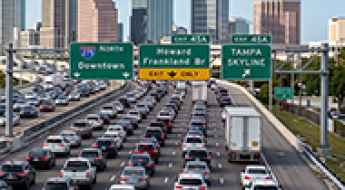
The 15 Freeway in the High Desert presents unique driving challenges due to its landscape and weather. Many drivers underestimate these complexities, leading to frequent car crash incidents. Understanding these risks helps you navigate the road safely.

A road adventure is something very liberating. The open road, varied scenery, and excitement of the unknown leave lasting memories. But behind every great road trip, there is good planning. Adventure must be thrilling and not dangerous.

Texas is known for its wide highways, heavy commercial traffic, and nonstop shipping activity. With major interstates crossing the state and thousands of delivery vehicles on the road every day, large truck accidents are an unfortunate reality. 

Denver is a really big city. It’s called the Mile-High City because it’s exactly one mile above sea level. It has mountains nearby and big flat plains too. A lot of people live there; there are over 700,000 in the city and more than three million in the metro area. 

Owning an exotic feels like joining a secret club. The first few drives are thrilling, but the real lessons arrive quickly. Every start-up is a ceremony, every mile a reminder that precision parts demand calm hands.

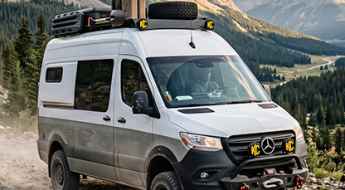
Traveling beyond mobile coverage in a camper van or expedition van is about freedom, independence, and reaching places few others do. But once you leave reliable cell service behind, staying connected to your vehicle becomes a real challenge. Whether parked at a remote trailhead or crossing borders off the beaten path, knowing where your van is — and being alerted if it moves — matters.

If you’ve ever watched your temperature gauge creep upward on a long mountain climb, you’ve seen automotive physics in action. Steep grades are one of the most demanding conditions for a vehicle’s cooling system, often more stressful than stop-and-go traffic or hot summer cruising.

Motorcyclists face greater dangers than other motorists due to their lack of protection in an accident. Drivers of passenger vehicles and trucks are encased by the vehicle while motorcyclists, even with helmets and protective gear, are exposed and far more vulnerable.

Ahmedabad is a city that values practicality. Daily travel includes office commutes, family errands, school runs, and regular city driving. Roads are busy for most of the day, and parking space is often limited in residential and commercial areas. In such conditions, buyers look for cars that are easy to drive, simple to maintain, and economical to own.