How to drive the 4,956m Cerro Yaritani in the Peruvian Andes?

Cerro Yaritani is an extreme high-altitude mountain pass at an elevation of 4,956m (16,259ft) above sea level, located in the Cusco Region of southeastern Peru. The access to the summit via a technical gravel road is a demanding Andean transit, requiring specialized 4x4 equipment to manage the sustained verticality and the high-risk atmospheric conditions of the Vilcanota range.
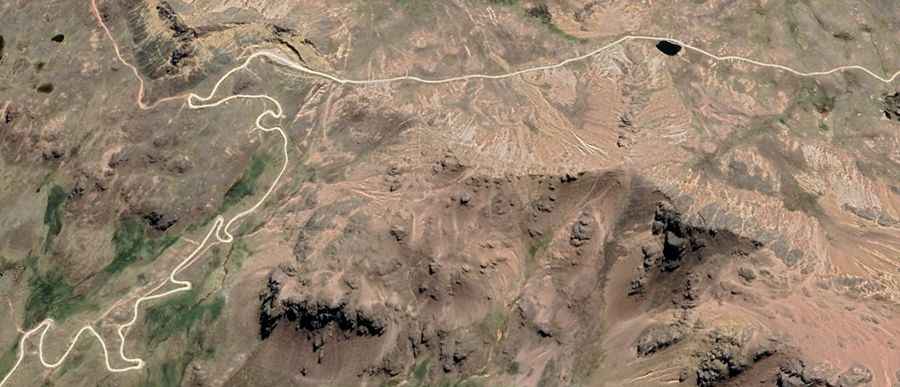
Cerro Yaritani
Road facts: Cerro Yaritani (Cusco)
Location Cusco Region, Peru
Elevation 4,956 m (16,259 ft)
Length 17.7 km (10.9 miles) from Sayapampa
Average Gradient 6.44%
Surface Unpaved (Gravel / Loose volcanic debris)

How challenging is the road to Cerro Yaritani?

Starting from Sayapampa, the road to the summit is 17.7 km (10.9 miles) long. Technically, the drive is a continuous climb with an elevation gain of 1,140 meters, resulting in a sustained average gradient of 6.44%. The roadbed is unpaved and frequently bumped due to the lack of heavy maintenance. Logistically, the most dangerous feature is the loose-gravel breaks; these sudden changes in traction on a 6.44% slope can cause vehicle instability, requiring constant throttle modulation and precise steering input.

What are the weather and traction logistics at 4,956m?

In the Cusco Region, weather volatility is an extreme logistical factor. Even a single rainfall can turn the gravel road into a high-risk corridor. Technically, the unpaved surface becomes unstable when wet, compromising the 17.7 km ascent. A 4x4 vehicle with high-clearance is mandatory to navigate the irregular sections. Safety protocols at nearly 5,000 meters mandate checking for recent snow or ice accumulation, as the high-altitude ramps offer no protection against lateral slips on the loose gravel.

Mechanical requirements for the 17.7 km Andean ascent

Technically, driving the Cerro Yaritani at over 16,000 feet requires a drivetrain prepared for extreme hypoxia. The 6.44% average gradient puts a significant load on the engine's torque capacity in the thin Andean air. Logistically, the descent back to Sayapampa requires the exclusive use of engine braking to prevent brake fade on the 1,140-meter vertical drop. Drivers must ensure the cooling system is at peak efficiency to manage the thermal stress during the slow, high-altitude climb through the unpaved switchbacks of the Cusco highlands.