How to drive the unpaved LM-120 from Tinco to San Mateo?
The LM-120 is a long-distance high-altitude mountain road located in the Lima Department of Peru. The unpaved route runs for 140 kilometers (87 miles) across the Andes range to connect the settlements of Tinco and San Mateo, tracking through narrow dirt ledges and high mountain passes.
| Road facts: LM-120 (Tinco to San Mateo) | |
|---|---|
| Location | Lima Department (Peru) |
| Length | 140 km (87 miles) |
| Max Elevation | 4,930 m (16,174 ft) |
| Surface | Unpaved (Gravel / Dirt) |
What are the main mountain passes on the LM-120?
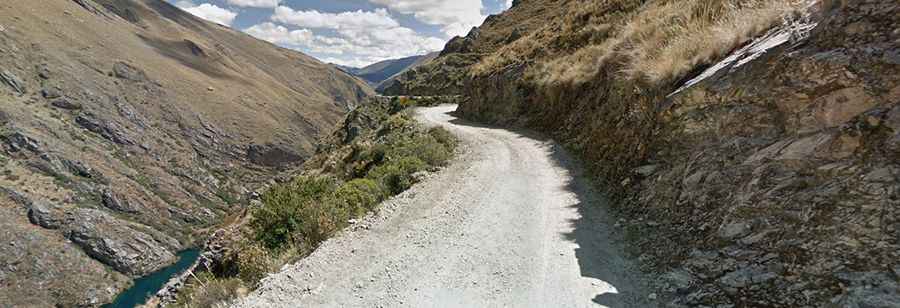
Driving the 140 kilometers of this unpaved route involves crossing two distinct high-altitude passes. The maximum summit is Punta Ushuayca, situated at 4,930 meters (16,174 ft) above sea level, where internal combustion engines face a severe loss of power due to low atmospheric pressure. The second pass is Abra Suijo (also named Abra Suyoc), reaching an elevation of 4,706 meters (15,439 ft). Both sectors consist of a single unpaved lane cut into the rock walls with zero lateral steel guardrails or concrete barriers.
Which lakes border the LM-120 mountain route?
The dirt track runs directly alongside a sequence of high-elevation mountain lagoons. Climbing from Tinco, the road passes Laguna Paucarcocha at an altitude of 4,284 meters (14,055 ft). Further north, the unpaved path skirts the edge of Laguna Totoral at 4,342 meters and Laguna Chuspi at 4,395 meters above sea level. Rain turns the loose gravel surface surrounding these water bodies into a slick mud layer that reduces tire grip.
Where is the Carhuayno viewpoint located on the road?
The Mirador de Carhuayno sits at an elevation of 3,695 meters (12,122 ft) along the lower switchbacks of the valley descent. At this point, the unpaved track narrows to the width of a single vehicle, lacking lateral runoff margins. Meeting oncoming regional trucks or local agricultural transport forces long-distance reversing maneuvers along the edge of the mountain cliffs to reach the nearest passing turnout.
How do seasonal weather conditions affect the unpaved track?
The unpaved gravel bed undergoes severe degradation depending on the season. During the rainy months from October to April, the steep mountain cuts experience frequent rockfalls and mudslides that block the track or wash away sections of the roadbed. The high pass sectors above 4,700 meters are subject to sudden snowstorms that cover the driving ruts. The entire 140-kilometer mountain segment lacks intermediate fuel stations or mechanical repair workshops between the main towns.