How dangerous is the 29-hairpin road passing Qullqi in Peru?
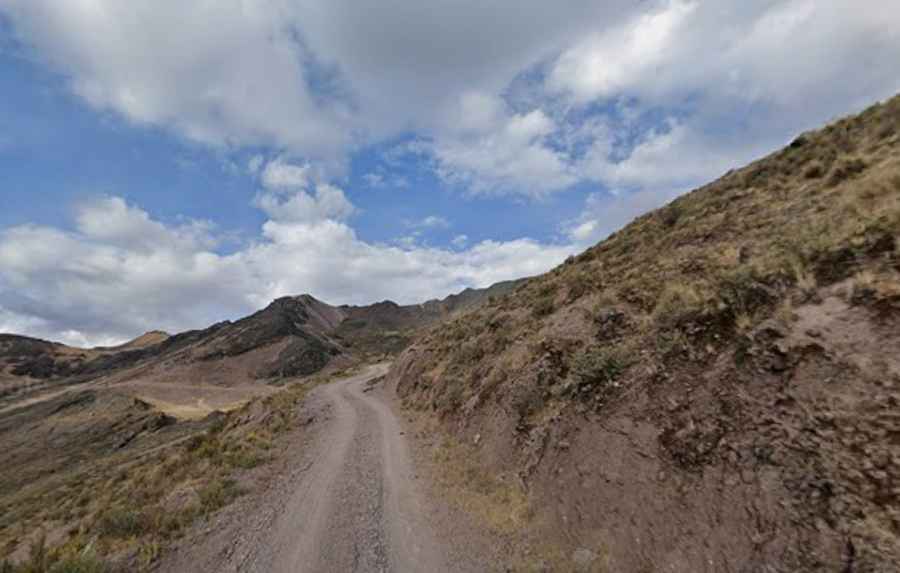
The road passing Qullqi (also known as Colqui) is a high-altitude mountain track located in the Huarochirí Province, Lima Region, Peru. The route climbs the western slopes of the massif, reaching a maximum road elevation of 4,765m (15,633ft) above sea level.
| Road facts: Qullqi Pass (Colqui) | |
|---|---|
| Location | Huarochirí, Lima Region, Peru |
| Elevation | 4,765 m (15,633 ft) |
| Length | 30 km (18.6 miles) |
| Hairpin Turns | 29 |
| Surface | Unpaved / Gravel & Dirt |
How long is the 29-hairpin climb past Qullqi?
The road spans 30 km (18.6 miles) in length, connecting the LM-116 highway with the settlement of Acobamba. The route features 29 hairpin turns cut into the mountainside. The lane is single-vehicle wide, requiring one vehicle to reverse into wider passing bays or turnouts when meeting oncoming traffic. The track has no steel guardrails or concrete walls on the valley edges.
What are the road conditions on the Qullqi track?
The surface is unpaved, with loose gravel, dry silt, and rock debris. Water erosion frequently impacts the outer edges of the switchbacks. A high-clearance 4x4 vehicle with a low-range gearbox is required to maintain tire traction on the steep gravel inclines. Descending vehicles must engage low gears to manage speed without riding the brakes continuously down the mountain slopes.
Why is the 4,765m altitude a risk for vehicles?
At 4,765 meters above sea level, thin air causes a reduction in engine horsepower for naturally aspirated motors. Atmospheric pressure changes lower the boiling point of cooling fluids inside the radiator layers. The area is isolated, with no cellular network signal or mechanical repair shops along the 30-kilometer route.
When is the road past Qullqi closed?
The Andean rainy season from December to March causes mud accumulation and rockfalls from the cliffs, making the gravel track impassable. During the dry season, temperature drops bring night frost and sudden snow flurries to the summit. Drivers must carry a mechanical jack, full-size spare tire, and extra fuel containers before leaving the valley floor.