Driving the high 3N road to Mojon Pass in the Peruvian Andes
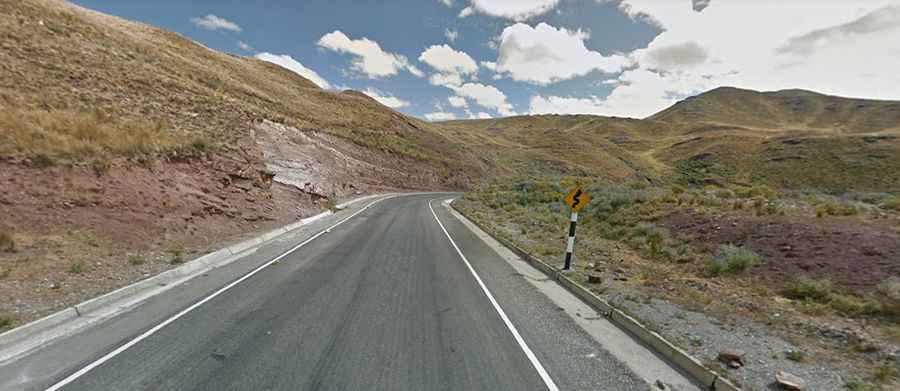
Mojon Pass, or Paso de Mojón, is a high-altitude mountain pass at an elevation of 4,291 meters (14,078 ft) above sea level, located in the Ancash Department of central Peru. Traversed by the Carretera 3N, this pass is a vital link between Conococha and Huallanca. While the road is fully asphalted and relatively wide, the physical reality of driving at nearly 4,300 meters involves managing extreme weather volatility and a landscape where the mountainside literally crumbles onto the driving line, requiring constant mechanical vigilance and precise steering.
| Road facts: Mojon Pass (Carretera 3N) | |
|---|---|
| Location | Ancash Department, Peru |
| Elevation | 4,291m (14,078ft) |
| Length | 16 km (9.9 miles) |
| Route | Conococha to Huallanca |
How challenging is the Carretera 3N to Mojon Pass?
The 16-kilometer journey starting from Conococha is a relentless vertical grind through the heart of the Andes. The road surface is asphalted, but the logistics of the drive are dominated by the altitude. At 4,291 meters, the notorious lack of oxygen reduces your engine's torque significantly, making the steep ramps feel far more taxing than they appear. The road is carved through loose, reddish earthen slopes that offer no structural stability; even without heavy rain, small stones and dust frequently spill onto the asphalt, reducing tire grip and creating unpredictable friction levels. Maintaining a steady momentum while navigating the long, sweeping curves is essential to avoid overstressing the motor in the thin air.
What are the main hazards on the Mojon mountain route?
The primary hazard at Mojon Pass is the combination of unstable geology and harsh, unpredictable weather. The slopes surrounding the 3N road are highly prone to erosion; the earth is dry and fractured, leading to frequent minor landslides that can block a lane or damage the undercarriage of a vehicle. When the weather is clear, the drive offers panoramic views of the Cordillera Huayhuash, but these conditions can shift into intense fog or freezing rain in minutes. The psychological pressure of the altitude and the proximity to these crumbling walls makes this a high-fatigue route. Furthermore, encountering heavy mining trucks or local furgonetas requires immediate braking response, which can be compromised by the fine dust coating the asphalt.
Is the road to Mojon Pass dangerous in bad weather?
Yes. Despite being a paved route, the 3N becomes high-risk during the rainy season or sudden Andean storms. The earth walls that frame the road turn into mud, which can wash across the entire width of the pass. "Hidden ice" is also a frequent reality during the early morning hours, as temperatures at 4,291 meters stay near freezing for most of the year. Visibility can drop to nearly zero during heavy mist, making the wide curves deceptive and dangerous. There are few safety barriers on the most exposed sections, so any steering error or loss of traction on a slick patch of mud can have immediate consequences.
What mechanical prep is needed for the 4,291m Ancash climb?
Before heading out from Conococha, verify that your air filters are clean; the fine dust from the Andean slopes will clog them rapidly, further starving the engine of air at high altitude. Check your braking system, specifically the pads and fluid, as the long descent towards Huallanca requires sustained braking power that can lead to fluid boiling. Ensure your tires have high-grip tread to handle the debris-covered asphalt. Carry extra fuel, a full-sized spare tire, and enough water and supplies for 24 hours, as help is far away in this isolated sector of Ancash. In the Peruvian Andes, your vehicle's cooling and aspiration systems are your only guarantee of reaching the summit without a breakdown.