Abra Llamaorgo: Driving one of the highest mountain passes in Peru
Abra Llamaorgo is an extreme mountain pass reaching an elevation of 4,700m (15,419ft) above sea level, located in the Department of Huancavelica, Peru. This high-altitude route is a true test for any driver, offering raw Andean scenery and challenging gradients in one of the most remote regions of the country.
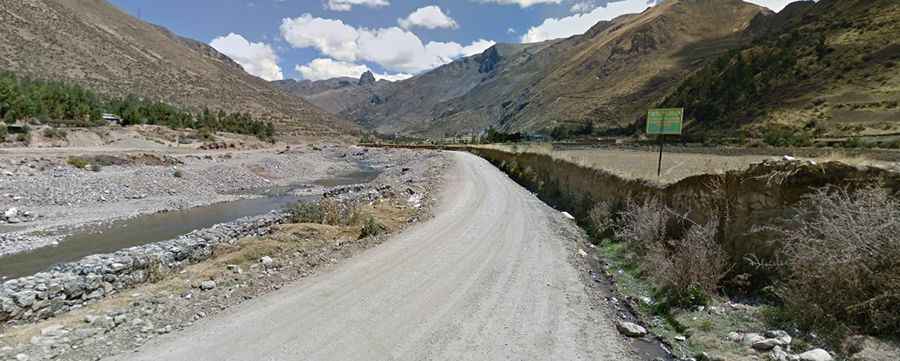
| Road facts: Abra Llamaorgo | |
|---|---|
| Location | Huancavelica, Peru |
| Length | 22.7 km (14.1 miles) |
| Elevation Gain | 995 m |
| Max Gradient | Over 24% |
| Hairpin Turns | 20 |
| Surface | Unpaved / Gravel |
How to get to Abra Llamaorgo?
The ascent starts from the city of Huancavelica. The road to the summit is 22.7 km long, involving a significant elevation gain of 995 meters. The drive is famous for its 20 hairpin turns that snake up the steep mountain slopes, providing constant views of the surrounding peaks.
Is the road to Abra Llamaorgo paved?
The road is totally unpaved but generally well-maintained. While it consists mainly of gravel and dirt, its condition often allows a standard passenger vehicle to reach the summit during periods of good weather, provided the driver proceeds slowly and with caution.
What are the main hazards when driving this pass?
The road is extremely steep, with some sections exceeding a 24% gradient. Due to the extreme altitude, weather conditions can change in minutes. Even a single rainfall can make the surface challenging. The area is prone to heavy snowfalls, landslides, and avalanches, with frequent patches of ice making the track dangerous at any time of year.
What equipment is needed for the drive?
Because of its remote location and altitude of 4,700 meters, it is vital to be fully prepared. Drivers should carry extra fuel, water, food, and warm clothing. A reliable GPS and physical maps are highly recommended, as mobile signal is virtually non-existent in this part of the Andes.
When is the best time to cross Abra Llamaorgo?
The best time for driving is during the dry season (typically from May to September). During the rainy season, the risk of road blockages due to mud or ice increases significantly. Regardless of the season, the high elevation means the air is thin, which can affect both engine power and the driver's physical well-being.