Driving the unpaved PE-34E road to Abra Canchenita
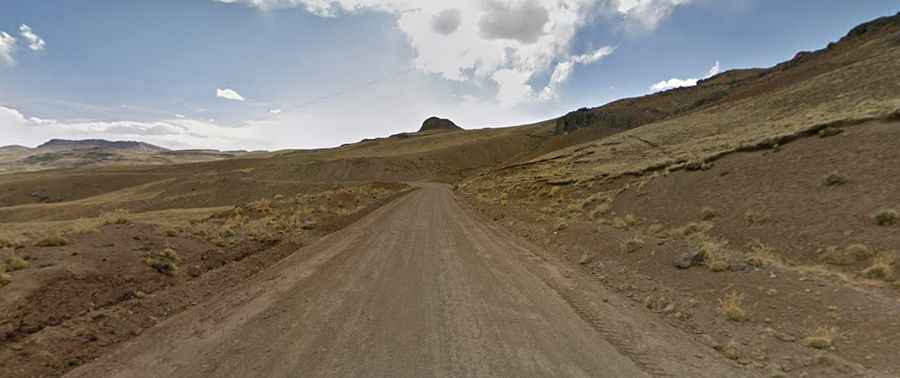
Abra Canchenita is a high-altitude mountain pass located in the Carhuaz Province within the Ancash Region of Peru. The unpaved pass sits on the Carretera Regional PE-34E, climbing the rugged Andean mountain walls to reach a maximum elevation of 4,827 meters (15,836 ft) above sea level.
| Road facts: Abra Canchenita (PE-34E) | |
|---|---|
| Location | Ancash Region (Peru) |
| Elevation | 4,827 m (15,836 ft) |
| Length | 87 km (54 miles) |
| Surface | Unpaved (Gravel and dirt) |
| Route | PE-34E (Callalli to Cusco border) |
How challenging is the PE-34E road to Abra Canchenita?
The unpaved transit along the PE-34E covers a distance of 87 kilometers (54 miles) between Callalli and the Cusco border line. The roadbed consists entirely of loose gravel and compacted dirt without any chemical stabilization layers. Operating at an altitude of 4,827 meters, atmospheric pressure drops severely, reducing the torque output of internal combustion engines on the steep dirt ramps. The track presents deep wheel ruts and active erosion channels cut into the lane floor.
What are the driving hazards on the Abra Canchenita pass?
The dirt surface of the highway becomes highly unstable after precipitation, turning into a thick mud layer that reduces tire traction and braking efficiency. The steep mountain flanks lack steel safety guardrails, concrete walls, or lateral runoff spaces. The 87-kilometer mountain sector features sudden high-altitude snowfalls and freezing temperatures that cause vehicles to slide on the loose scree sections of the switchbacks.
Is the road to Abra Canchenita open year-round?
The PE-34E pass faces frequent winter closures due to heavy Andean snow accumulation, landslides, and roadbed washouts that block the path for days. The unpaved soil is subject to continuous frost-heave cycles that split the track and create sudden deep potholes across the lanes. The entire 87-kilometer mountain segment is completely devoid of civilian fuel stations, emergency service points, or roadside mechanical repair workshops.