Driving the high altitude HV-116 road to Abra Apacheta
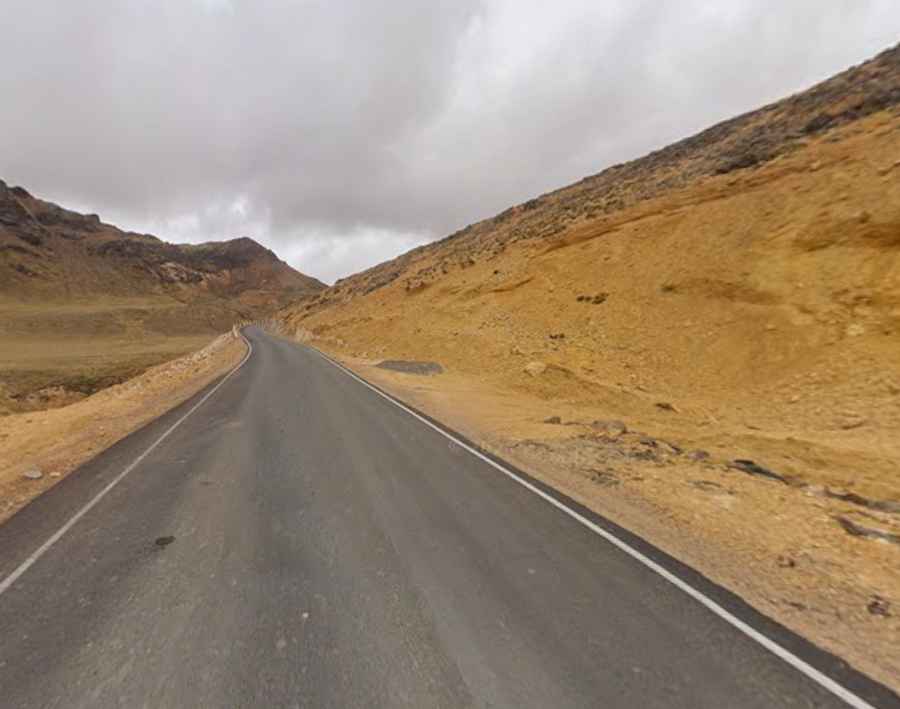
Abra Apacheta is a massive mountain pass that sits at 4,704 meters above sea level in the Huancavelica region of central Peru. Sitting on the HV-116 route, this is one of the highest paved roads in the country, but don't let the asphalt fool you. This is a high-altitude grind where the air is thin, the weather is unpredictable, and the road clings to the Andean ridges for 66 kilometers. Driving here means pushing your vehicle through a desolate, mineral landscape where oxygen is a luxury and the technical nature of the curves requires constant focus.
| Road facts: Abra Apacheta | |
|---|---|
| Location | Huancavelica Region, Peru |
| Elevation | 4,704m (15,433ft) |
| Road Name | HV-116 |
| Length | 66 km (41 miles) |
How challenging is the HV-116 road to Abra Apacheta?
The 66-kilometer journey between Lircay and Ccarhuacc Licapa is a relentless test of endurance. Although the HV-116 is fully paved, the lane is exceptionally narrow, often leaving very little room for error when passing local trucks or buses. As seen on the ground, the road features an endless series of curves and hairpin turns that follow the natural contours of the high plateau. At nearly 4,800 meters, the thin air significantly reduces engine power, making overtakes on the steep uphill sections a slow and calculated maneuver that requires a wide safety margin.
What are the main hazards when driving Abra Apacheta?
The primary danger on Abra Apacheta is the extreme and sudden weather shifts. At this elevation, it is common to encounter snow, hail, or freezing rain even in the middle of summer. When the asphalt gets wet or icy, the narrowness of the road becomes even more critical, as there is no room to correct a slide. The isolation is also a factor; for much of the 66-kilometer stretch, you are far from any mechanical assistance. You must also watch out for local livestock and sudden rockfalls from the exposed mountain banks that can partially block the lane in the tighter corners.
What mechanical prep is needed for the Abra Apacheta climb?
Before tackling the HV-116, ensure your cooling system is in perfect shape. The long, sustained climbs at 4,700 meters put an enormous thermal load on the motor as it struggles with the lack of oxygen. Check your tire pressures and the state of your brakes; the descent from the summit is long and technical, and you should rely heavily on engine braking in lower gears to avoid glazing your pads. It is vital to carry extra fuel, water, and warm clothing, as a mechanical failure at this altitude can quickly lead to a dangerous situation if you are caught out after sunset when temperatures plummet well below zero.