The Road to Abra Tsactsapunta in the Cordillera Blanca Is Not for Timid Drivers
Abra Tsactsapunta is a high-mountain pass at an elevation of 4,472m (14,671ft) above sea level, located on the boundary of the Yungay and Huaylas provinces, Ancash Department, in Peru. The route crosses the northern sector of the Cordillera Blanca range.
| Road facts: Abra Tsactsapunta | |
|---|---|
| Location | Yungay and Huaylas Provinces, Ancash, Peru |
| Elevation | 4,472 m (14,671 ft) |
| Length | 30 km (18.6 miles) |
| Surface | Unpaved / Gravel & Dirt |
How long is the road through Abra Tsactsapunta?
The mountain road is 30 km (18.6 miles) long, running north to south from the settlement of Cruz de Mayo (Huaylas) to the village of Huacho in the Yungay province. The track climbs the eastern flanks of the mountains, tracking through glacial valleys before reaching the summit at 4,472 meters above sea level.
Is the road to Abra Tsactsapunta unpaved?
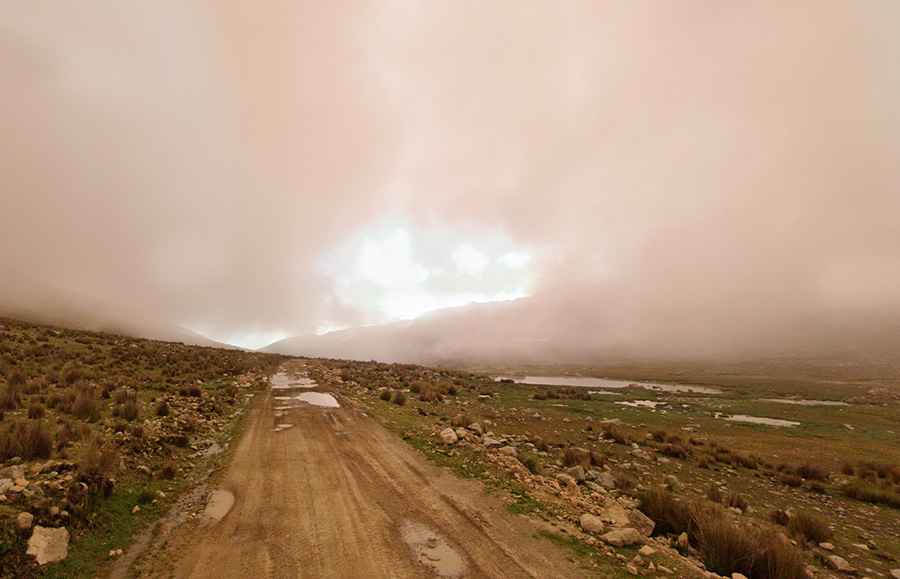
The road surface is entirely unpaved, with loose granite gravel, stones, and dirt. The track is single-lane wide throughout the ascent, with steep gradients exceeding 9% in the central sections. It features approximately 30 switchbacks without steel guardrails, concrete walls, or lateral safety infrastructure on the downhill slopes.
What are the driving hazards at Abra Tsactsapunta?
The altitude of 4,472 meters results in reduced engine torque due to low oxygen levels. High-clearance vehicles or 4x4 systems are required to maintain traction on the loose gravel layers of the switchbacks. High-alpine fog moves into the pass during afternoon hours, reducing visibility along the edge of the drops.
Is Abra Tsactsapunta open during the winter rainy season?
Between December and March, heavy Andean rainfall causes mud accumulation and rockfalls from the rock faces, blocking sections of the single lane. Night frost creates ice layers over the unpaved surface inside the mountain cuts. Due to the complete absence of roadside assistance or fuel stations between Cruz de Mayo and Huacho, drivers must carry a mechanical jack, full-size spare tire, and tool kits.
Road suggested by: Hugh Wilson