How dangerous is the wooden bridge on the road to Huanaccmarca in Peru?
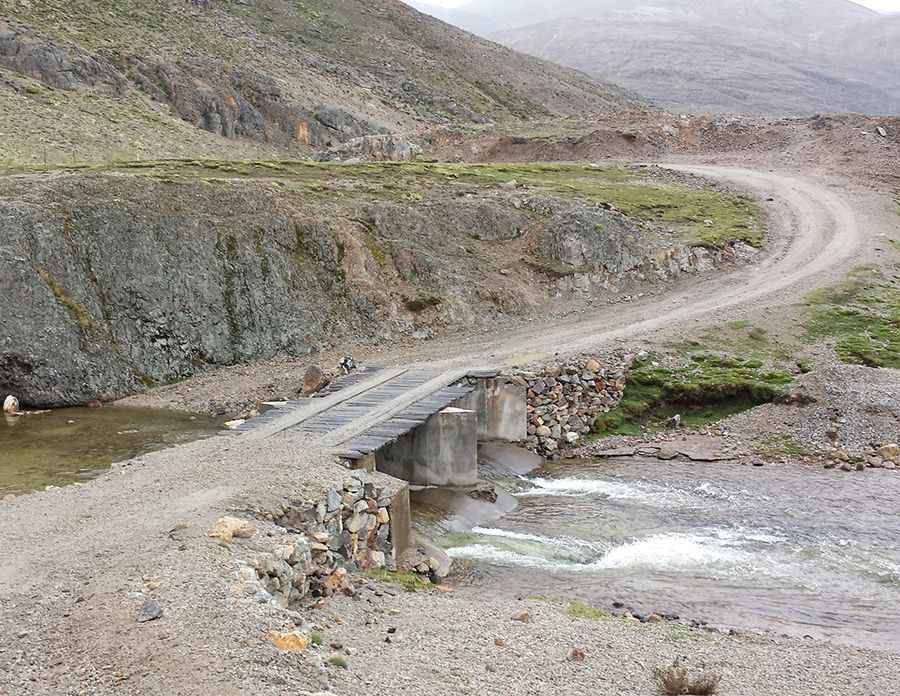
The bridge on the road to Huanaccmarca is a primitive and terrifying river crossing located in the Coronel Castañeda District of the Parinacochas Province, in southern Peru. Perched at an extreme elevation of 4,393m (14,412ft) above sea level, this structure is one of the most precarious crossings in the most spectacular bridges in the world list. It is a makeshift construction of wooden planks laid over a stone and concrete base, designed to save time on a remote mining route where the lack of maintenance and the weight of heavy machinery make every crossing a gamble.
| Road facts: Puente Huanaccmarca | |
|---|---|
| Location | Parinacochas Province, Peru |
| Elevation | 4,393 m (14,412 ft) |
| Bridge Type | Wooden planks on stone piers |
| Road Length | 41 km (shortcut between AP-111 and AR-105) |
| Hazard Level | Extreme (No railings & heavy mining traffic) |
Why is the bridge to Huanaccmarca a risk for heavy trucks?
The bridge carries a vital 41 km long shortcut that connects the AP-111 road in the north with the AR-105 in the south. Despite its fragile appearance, the structure is heavily used by massive mining trucks that service the high-altitude sites of Parinacochas. As seen in the area, the bridge consists of thick wooden beams that are constantly flexed and stressed by the weight of these vehicles. There are no side railings or safety curbs; if a driver miscalculates the center of the bridge by just a few centimeters, the wheels will slip off the timber, sending the truck straight into the freezing mountain stream below.
What are the road conditions on the approach to Huanaccmarca?
The unpaved road leading to the bridge is a grueling 41 km track of loose gravel, sharp rocks, and deep ruts. Reaching the crossing at 4,393 meters requires a high-clearance 4x4, as the terrain is constantly shifting due to erosion and the relentless passage of heavy machinery. The bridge's foundations are made of stacked stones and rough concrete that are directly exposed to the force of the water. During the rainy season, the river can swell rapidly, weakening the piers and making the wooden planks extremely slippery. A high-clearance vehicle is mandatory not just for the bridge, but to navigate the steep, muddy ramps that lead down to the riverbank.
How does the 4,393m altitude affect driving in Parinacochas?
At nearly 4,400 meters, the lack of oxygen is a major factor for both the driver and the vehicle. Engines lose a significant portion of their power, making the steep climbs away from the riverbed a slow and difficult grind. For the driver, the thin air causes fatigue and slower reaction times, which is lethal when navigating a bridge with no guardrails. You must be prepared for extreme cold and sudden weather changes that can turn the dry dirt into a slick slurry in minutes. This is one of the most isolated regions of Peru, and if your vehicle breaks down or gets stuck on the bridge, help could be hours or even days away.
Is the bridge near Huanaccmarca safe during the rainy season?
Crossing the Puente Camino a Huanaccmarca between December and March is a high-risk move. The wooden planks can become waterlogged and unstable, and the river current often undermines the stone piers. Because this is a shortcut used primarily by the mining industry, there is no official safety inspection for the bridge; local drivers rely on their own judgment to decide if the timber can still hold the weight of a car. If you see water flowing over the bridge or if the planks look misaligned, do not attempt to cross. It is always safer to take the longer route around the province than to risk a structural failure in such a remote and high-altitude sector of the Andes.
Pic: Alexander Ascencio