Driving the high altitude mining road to Cerro Carasilla
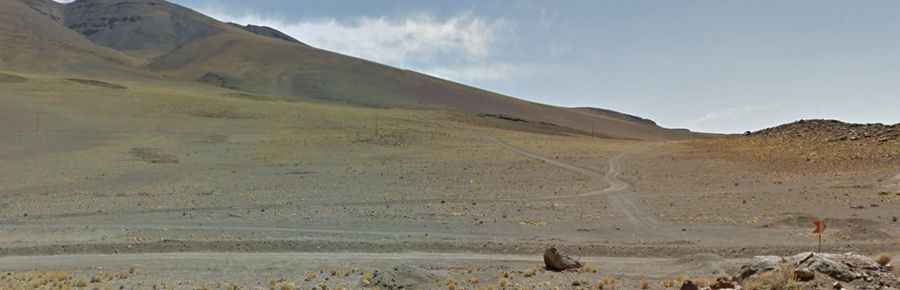
Cerro Carasilla, also known as Cerro Carecilla, is a massive peak that breaks the 5,000-meter barrier in the Antofagasta Region of Chile, right on the edge of the Bolivian border. The track that grinds its way to the summit was built for mining operations and is a brutal mix of jagged rocks and loose ripio. Driving here means taking your vehicle to one of the highest points on the planet where a road still exists—a mineral and desolate world where altitude sickness doesn't just hit the driver, but leaves engines gasping for any bit of oxygen they can find.
| Road facts: Cerro Carasilla | |
|---|---|
| Location | Antofagasta Region, Chile |
| Elevation | 5,047m (16,558ft) |
| Length | 15 km (9.3 miles) |
| Surface | Rocky / Loose gravel |
What is it like to drive the mining track to Cerro Carasilla?
The 15-kilometer journey starts at Estación Ascotán on the paved Ruta 21, but any comfort disappears the moment you hit the Cerro Carasilla track. Since this is a service road for the mine, the ground is battered by heavy trucks, leaving behind deep ruts and large stones that can easily smash the undercarriage of a low vehicle. The track is a constant zigzag over unstable volcanic soil. You need a 4x4 with a solid low-range gearbox to maintain a steady crawl without burning the clutch on the steepest ramps, where the lack of traction on loose gravel can make you spin out when you least expect it.
What are the mechanical risks of Cerro Carasilla at 5,000 meters?
At over 5,000 meters, the lack of oxygen is critical. Your engine will lose nearly 50% of its usual power, making the climbs feel like vertical walls. It is vital to watch the block temperature; the air is so thin that cooling is much less efficient, and it’s easy to boil the radiator during a maximum effort. Furthermore, the weather in the Antofagasta region is extreme: the sun burns with brutal radiation during the day, and temperatures plummet below zero in minutes when the sun goes down or the "altiplano winter" storms roll in, turning the road to Cerro Carasilla into a trap of ice and mud.
What prep is needed before climbing Cerro Carasilla?
Before leaving Ruta 21 to face Cerro Carasilla, make sure you have a full tank and at least one full-sized spare tire; the shards of volcanic rock cut like knives, and repair kits are useless here. The isolation is total, and there is no rescue service nearby. On the descent, never ride the brakes; the steepness will heat the pads instantly, making them lose all stopping power. Drop into a low gear and let engine braking hold the weight of the vehicle. It is mandatory to carry water, extreme cold-weather gear, and, if possible, portable oxygen, as any mechanical failure will leave you exposed to environmental conditions where survival becomes a serious problem very quickly.