Driving the steep road to La Silla Observatory in the Atacama
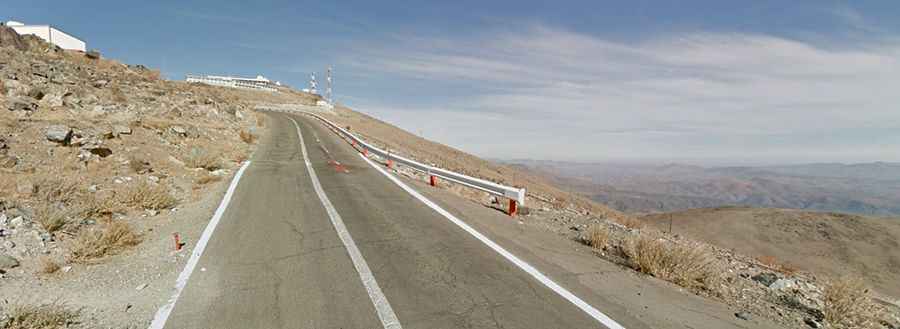
La Silla is a high mountain peak at 2,400 meters, standing as a sentinel in the southern Atacama Desert of northern Chile. This is the driest and most remote desert on Earth, and the road to the summit, the C-541, is the only lifeline to one of the world's most important astronomical hubs. While the road is asphalted to allow for the transport of delicate optical equipment, the drive is a brutal encounter with the Andean foothills, where the heat, the isolation, and the steep gradients test the cooling system and the driver's focus at every kilometer.
| Road facts: La Silla (C-541) | |
|---|---|
| Location | Coquimbo Region, Chile |
| Elevation | 2,400m (7,900ft) |
| Length | 33.9 km (21 miles) |
| Average Gradient | 6.89% (steeper in sections) |
How challenging is the drive to La Silla Observatory?
Starting from the main Ruta 5, the 33.9-kilometer climb to the summit is a lesson in high-altitude desert logistics. The most punishing sector begins after Los Rastrojos, where you face a sustained 19.8-kilometer stretch with a vertical gain of 1,365 meters. This results in an average gradient of 6.89%, but the "dry" heat of the Atacama makes this feel much worse for the engine. The asphalt is subject to extreme thermal expansion during the day and freezing temperatures at night, often leading to a surface that is wavy or cracked, requiring a firm grip on the wheel to maintain a steady line through the desert wind.
What are the main hazards of driving in the Atacama Desert?
The primary danger on the C-541 is the absolute isolation and the lack of oxygen. At 2,400 meters, your engine begins to lose power, and the cooling system has to work twice as hard in the arid air. The sun is blindingly bright, and the glare off the desert floor can hide sudden dips or debris on the road. You must also watch out for "camanchaca" (thick coastal fog) that can roll in and drop visibility to near zero, making the unprotected edges of the road extremely hazardous. There are no services, no water, and no fuel for miles; if your vehicle breaks down here, you are exposed to some of the harshest UV radiation on the planet.
What mechanical prep is needed for the La Silla climb?
Before leaving the main highway, verify that your radiator and all fluid levels are topped up. The long, steep climb will push the block temperature to its limit. Check your tire pressures, as the heat can cause the air inside to expand significantly, increasing the risk of a blowout on the long descent. On the way down from the observatory, stay in a lower gear and let engine braking control your speed. If you rely only on your brakes, the pads will glaze over in the thin, dry air long before you reach Ruta 5. Carry at least five liters of water per person and extra fuel, as the high-altitude climb will spike your consumption far beyond normal desert driving levels.