Driving the wild unpaved road to Abra Pucuani in the Cordillera Real
Abra Pucuani is a high-altitude mountain pass reaching an elevation of 4,556m (14,947ft) above sea level, located in the La Paz Department of Bolivia. Tucked away in the western part of the country, this pass is one of the most rugged crossings within the Cordillera Real, a subrange of the Bolivian Andes known for its jagged peaks and extreme weather.
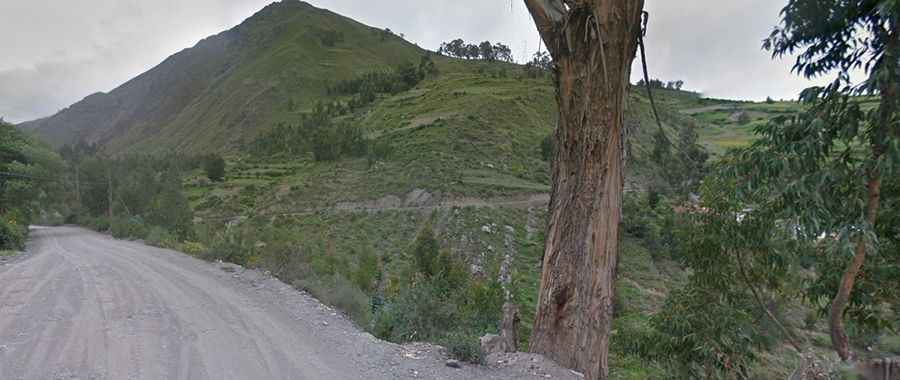
The geography of the pass is spectacular, positioned strategically between two of Bolivia’s giants: the Illimani mountain to the south and Mururata to the north. The high-altitude environment is characterized by thin air, sparse vegetation, and a collection of striking green-blue lagoons that sit at the base of the glaciers. Due to its location, the pass is often shrouded in mist or hit by sudden snowfalls, even during the southern hemisphere's summer months.
| Road facts: Abra Pucuani | |
|---|---|
| Location | La Paz Department, Bolivia |
| Elevation | 4,556 m (14,947 ft) |
| Length | 30 km (18.6 miles) |
| Surface | Unpaved / Rocks / Loose Gravel |
| Route | Palca to Tres Rios |
| Vehicle Required | High-clearance 4x4 |
How challenging is the road to Abra Pucuani?
The road through the pass is a 30 km (18.6 miles) unpaved track running west-east, connecting the town of Palca with Tres Rios. This is a high-risk mountain road that features countless tight turns and switchbacks carved into the steep slopes of the Palca valley. The surface is in consistently poor condition, with sections of deep ruts, large loose rocks, and narrow ledges that offer no room for error. A high-clearance 4x4 vehicle is not just recommended; it is essential for navigating the steep inclines and the muddy sections that appear after any rainfall.
Driving this route requires advanced off-road skills. The combination of extreme altitude and technical terrain means that vehicles experience a significant loss of power. Engines struggle to breathe at nearly 4,600 meters, and drivers must be adept at gear management to prevent overheating or losing traction on the loose shale. The descent into the valley is particularly demanding, requiring precise braking on the "tippy" corners that overlook massive vertical drops.
What are the weather risks at Abra Pucuani?
The weather in the Cordillera Real is unpredictable and can be life-threatening for unprepared travelers. At Abra Pucuani, the temperature can drop well below freezing as soon as the sun sets or a cloud cover moves in. During the rainy season, the road can become impassable due to landslides or thick mud. It is crucial to check local conditions in Palca before attempting the drive. The high altitude also poses a risk of hypoxia for drivers not acclimatized to the Bolivian highlands. Despite these hazards, the drive offers unparalleled views of Mt. Mururata and the deep canyons of the Andes, making it a legendary route for those seeking the rawest side of Bolivia.