Driving the high-altitude RN76 to Pircas Negras Pass
National Route 76 (RN76) is an epic high-altitude journey located in the La Rioja Province of western Argentina. Spanning 259 km (161 miles), this rugged road runs south-north from Villa Unión to the international Pircas Negras Pass on the border with Chile.
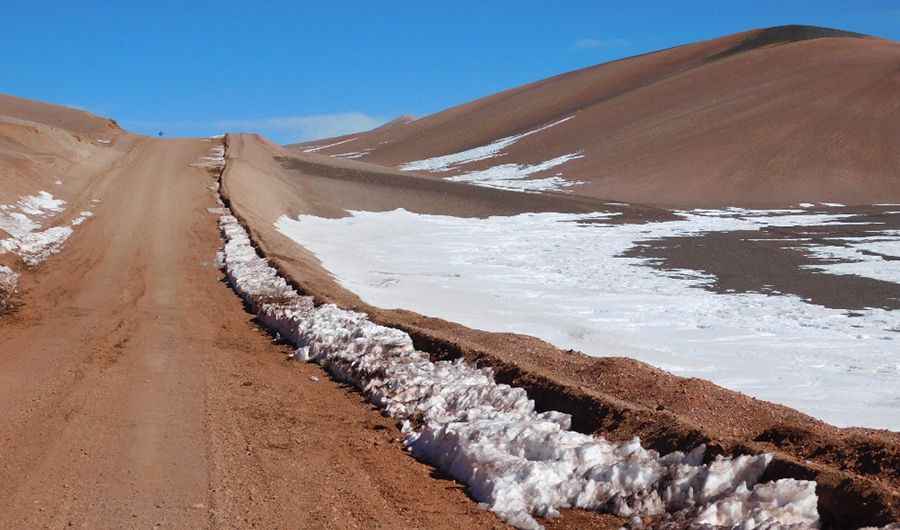
The route is a true Andean adventure, traversing the Reserva Natural Laguna Brava, a protected area famous for its high-altitude salt lakes and pink flamingos. As the road climbs into the thin air of the Puna, it offers spectacular views of some of the highest peaks in the world, including Cerro Bonete (the fourth highest mountain in the Andes) and Cerro Veladero. This is a land of extreme silence, turquoise lagoons, and unpredictable weather.
| Road facts: RN76 (Villa Unión to Pircas Negras) | |
|---|---|
| Location | La Rioja Province, Argentina |
| Max Elevation | 4,483m (Abra Cerro Veladero) |
| Length | 259 km (161 miles) |
| Surface | Gravel / Unpaved |
| Key Passages | Portezuelo de Laguna Brava & Abra Cerro Veladero |
What are the main mountain passes on the RN76?
The drive along the RN76 is marked by two significant high-altitude passes that test both driver and vehicle. The first is Portezuelo de Laguna Brava, reaching 4,379m (14,366ft), which serves as the gateway to the high plateau. Further north, the road hits its highest point at Abra Cerro Veladero, at an elevation of 4,483m (14,708ft). Both sections are entirely unpaved and can be extremely challenging. The gravel surface is often loose, and the steep gradients combined with the lack of oxygen make for a demanding climb into the heart of the Andes.
Is the road to Pircas Negras via Laguna Brava dangerous?
Driving the RN76 requires careful planning and a high-clearance 4WD vehicle. The road is subject to extreme weather conditions; in winter, snowfalls exceeding 2 meters are common at the summits, and the Laguna Brava Provincial Park is officially closed to private vehicles. Even in summer, sudden storms can cause landslides or create treacherous patches of ice. The isolation is total, and travelers must be self-sufficient with extra fuel, water, and cold-weather gear. The threat of altitude sickness is real, as much of the route stays well above 4,000 meters for long stretches.
How to prepare for the RN76 journey?
The 259 km journey from Villa Unión is a slow drive that typically takes a full day due to the rough terrain and the need for frequent stops to acclimatize. While the road is mostly gravel, certain sections near the salt flats can become muddy and slippery after even light rain. The reward for this effort is one of the most magnificent landscapes in South America, culminating at the Pircas Negras Pass. Ensure your vehicle is in top mechanical condition and always check the status of the international border crossing, as the pass is only open during the summer months when the route is cleared of seasonal snowbanks.
Pic: Fotografias DelAngel