Is the road to Abra del Calvario on Ruta 40 paved?
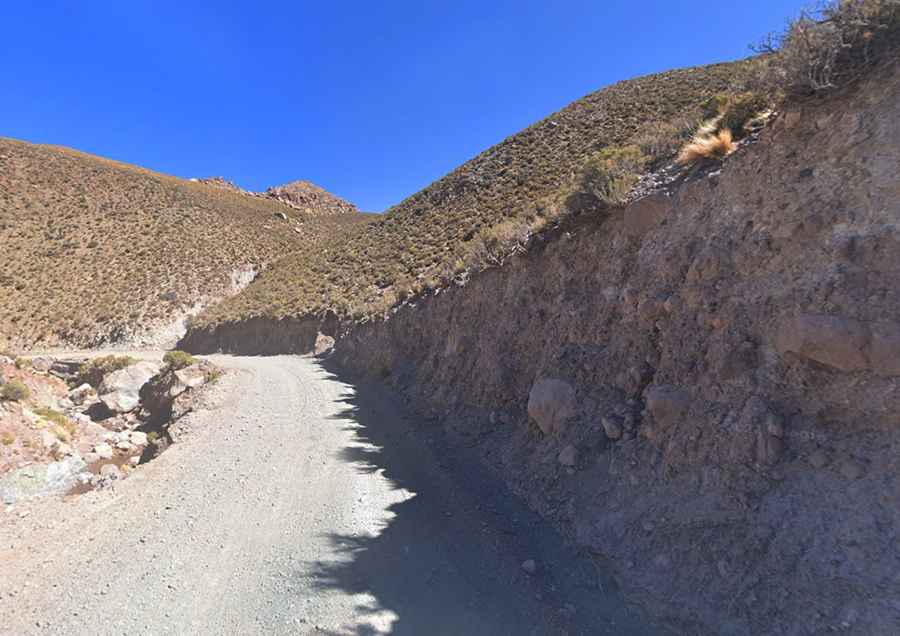
Abra del Calvario is a high-altitude mountain pass located in the Jujuy province of northern Argentina. Sitting in the high-elevation Puna landscape, this remote unpaved sector of the Ruta Nacional 40 scales the rugged mountain ridges to reach a maximum height of 4,423 meters (14,511 ft) above sea level.
| Road facts: Abra del Calvario | |
|---|---|
| Location | Jujuy (Argentina) |
| Elevation | 4,423 m (14,511 ft) |
| Road Name | Ruta Nacional 40 (RN40) |
| Length | 67 km (41.6 miles) |
| Surface | Gravel and Sand |
How long is the road through Abra del Calvario?
The high-altitude unpaved section spans exactly 67 kilometers (41.6 miles), running north-south to connect the mountain settlements of Coranzuli and Casa Quemada. Due to the loose dirt surface and steep topography of the Puna de Atacama, driving this 67-kilometer mountain segment requires a slow pace. The entire route lacks intermediate fuel stations, mechanical repair shops, or civilian services between the two extreme points.
What is the road surface like on the Abra del Calvario?
The unpaved track consists of a variable mixture of loose volcanic gravel and deep sand riverbeds. The natural earth lane features severe washboarding (serrucho) caused by persistent high winds and heavy four-wheel-drive traffic, generating intense mechanical vibrations. The route has deep wheel ruts and sudden terrain dips that require continuous steering corrections to avoid sliding off the main track line.
Is the altitude at Abra del Calvario dangerous for vehicles?
Topping out at 4,423 meters above sea level, the low air density causes a severe loss of internal combustion engine power. Vehicles face sustained sandy climbs where transmissions must stay in low gears to overcome the vertical grade and high-altitude rolling resistance. The constant high-torque demand in thin air increases fuel consumption rates significantly compared to low-altitude driving conditions.
What are the weather hazards on the road to Abra del Calvario?
The weather in the Jujuy highlands is hyper-arid but highly unpredictable. Intense high-altitude winds regularly blow loose sand and dust across the track, dropping driving visibility down to zero. During the summer storm months, sudden mountain rain torrents turn the dry dirt sections into thick mud traps, while winter brings sub-zero freezing temperatures that harden the loose ruts into solid concrete-like tracks.