Driving the high-altitude road to Abra de Vacas Heladas in the Andes
Abra de Vacas Heladas is a high mountain pass reaching an elevation of 5,064m (16,614ft) above sea level, located in the San Juan province of Argentina. It is a critical logistical point in the Andes and stands as one of the highest roads in Argentina.
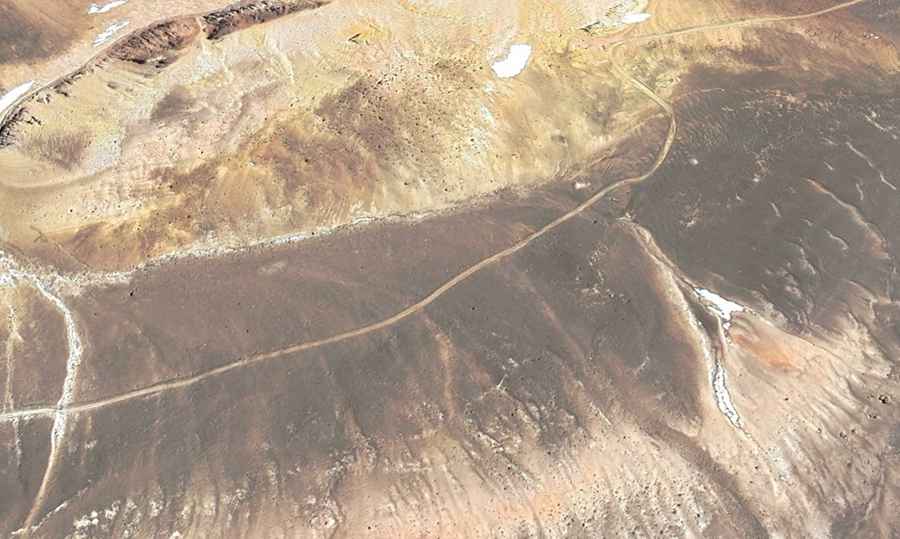
| Road facts: Abra de Vacas Heladas | |
|---|---|
| Location | San Juan Province, Argentina |
| Elevation | 5,064 m (16,614 ft) |
| Mountain Range | Andes (Central-West Region) |
| Surface | Unpaved / Loose Scree and Rocks |
| Hazard Level | Extreme (Altitude & Isolation) |
Where is Abra de Vacas Heladas?
The pass is situated in the west-central sector of Argentina, positioned deep within the Andes mountain range near the Chilean border, west of Jaguelito. Logistically, this is a zero-service zone where the nearest mechanical support is hundreds of kilometers away. Technically, the route follows old mining and exploration tracks that traverse extreme topography, requiring high-precision navigation through high-altitude desert terrain where the roadbed is often indistinguishable from the surrounding scree slopes.
Can you drive to Abra de Vacas Heladas?
Yes, but the drive to the pass (also known as Cerro de Vacas Heladas) is a high-risk technical operation. Technically, the road is entirely unpaved and consists of coarse gravel and loose rocks that compromise tire traction. A high-clearance 4x4 vehicle with low-range gearing is mandatory. Logistically, the route features extreme hairpin turns and narrow shelf sections with significant exposure. At 5,064m, the air density is significantly reduced, causing a drastic drop in engine torque and cooling efficiency. Drivers must be prepared for the physiological effects of Acute Mountain Sickness (AMS) and ensure the vehicle is equipped with supplemental oxygen and emergency recovery gear.
Is Abra de Vacas Heladas open in winters?
Due to its extreme altitude in the high Andes, the road to Abra de Vacas Heladas is strictly seasonal. Logistically, the pass is only accessible during the southern summer (from December through April). For the remainder of the year, the track is completely blocked by heavy snowpack and "penitentes" (ice formations). Technically, the route is subject to extreme Andean winds (Zonda) and temperatures that can drop well below -20°C even in summer. Before attempting this 5,000m+ drive, an exhaustive weather audit is required, as sudden blizzards can trigger immediate immobilization in one of the most isolated sectors of the Argentine Andes.