Logistics and Survival for High-Isolation Fishing Drives
Planning a fishing expedition into the true wilderness—far beyond the reach of localized infrastructure—requires a strategic approach to logistics and safety. Whether your objective is high-altitude trout in the Himalayas or tuna in isolated maritime sectors of the Atlantic, the challenge lies in the transit and the environmental volatility of the terrain. For the adventure-driven angler, success depends on mechanical autonomy, precise navigation, and a disciplined gear strategy designed for "no-service" zones.
| Expeditionary Fishing: Technical Checklist | |
|---|---|
| Navigation Redundancy | Satellite GPS + Physical Topographic Charts |
| Environmental Protection | Saltwater-rated gear & multi-layer thermal systems |
| Logistical Requirement | International/Regional Permits & 72h Survival Kit |
| Vehicle Readiness | High-clearance 4x4 for off-grid water access |
1. Legal and Regulatory Compliance
In high-isolation sectors, regulatory compliance is the first step of the mission. While open ocean waters may offer more freedom, national parks and protected reserves in North America, India, or the Mediterranean strictly enforce permit systems. Ignorance of local maritime or freshwater laws can lead to heavy fines or vehicle impoundment. Secure all necessary documentation from regional authorities before entering the exclusion zone.
2. Seasonal Dynamics and Environmental Hardening
The "fishing season" is dictated by ecological cycles and regional climate volatility. Researching the target species (Tuna, Trout, Bass) is only part of the preparation; you must also analyze the seasonal hydrological changes of your destination.
- Gear Integrity: Saltwater environments are highly corrosive. Ensure all reels, rods, and vehicle components are treated for high-salinity exposure.
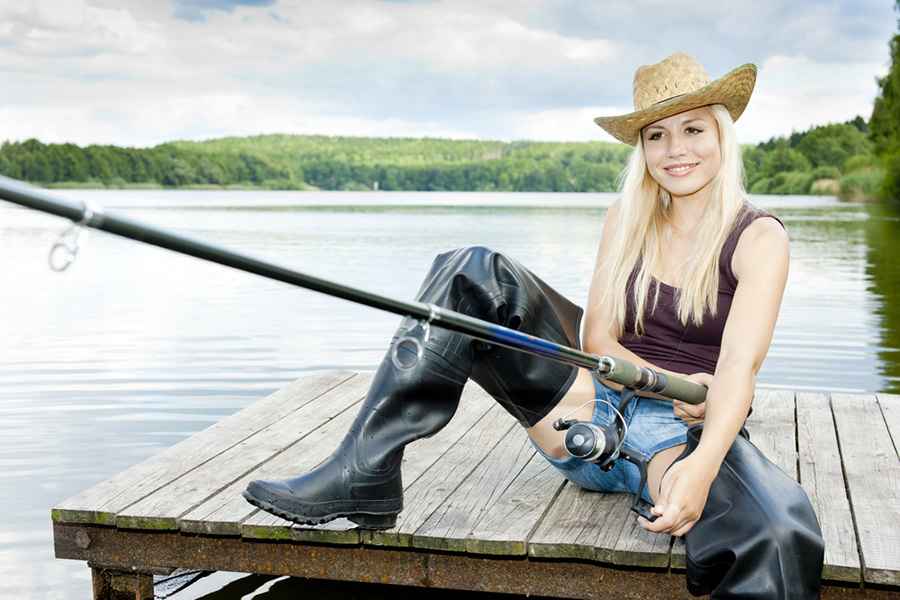
- Thermal Strategy: Morning fogs and rapid temperature drops near large bodies of water require an "expeditionary layering" approach. Waders and insulated boots must be rated for the specific water temperatures of the region to prevent early-onset hypothermia.
3. Tactical Gear and Self-Sufficiency
When operating far from the "comfort zone," your kit must support full autonomy. This includes professional-grade camping gear—reinforced tents, high-thermal-rating sleeping bags—and a redundant food supply. If the objective is to survive on the catch, you must still carry 72 hours of emergency rations and a portable water filtration system capable of processing local raw water sources.
4. Navigation and Search & Rescue (SAR) Protocols
The most dangerous aspect of remote fishing is the risk of disorientation in unmapped terrain or fast-moving water.
- Positioning: Relying on smartphone GPS is a critical error in deep canyons or maritime zones. Use a dedicated satellite messenger with SOS capabilities.
- Communication: Always establish a "float plan" with a contact outside the zone, including your exact coordinates and an "Extended Return" window. Natural elements like flash floods or coastal swells can transform a serene location into a high-risk extraction scenario in minutes.
Conclusion: The Discipline of the Wild
A successful fishing expedition into the wild is defined by the quality of the preparation, not just the catch. By treating the trip as a technical deployment—prioritizing mechanical autonomy, legal compliance, and environmental preparedness—you minimize the inherent risks of the wilderness. On the world's most remote waters, as on its most dangerous roads, the terrain rewards the disciplined and punishes the unprepared.
Image credit: Depositphotos