The 5 Most Remote and Low-Density Roads in the USA
In a country with over 276 million operating vehicles, finding corridors of true isolation is an exercise in strategic navigation. Beyond the saturated interstate systems lie "low-density" routes defined by geographical extremity and minimal infrastructure. These roads—ranging from the arctic deserts of Alaska to the high-plateau wilderness of the Southwest—offer a profound silence, but also demand a high level of self-sufficiency. In these sectors, the absence of traffic is a direct indicator of the road's inherent risk and isolation.
| USA Low-Density Corridors: Technical Data | |
|---|---|
| Most Isolated (Arctic) | Dalton Highway, Alaska (414 miles) |
| Loneliest Corridor (Desert) | US Route 50 (The Great Salt Lake Desert) |
| Historical Low-Density | US Route 201, Maine (Old Canada Road) |
| Logistical Node | Navajo Nation (US Route 160, Arizona) |
1. The Dalton Highway (Alaska): The Industrial Frontier
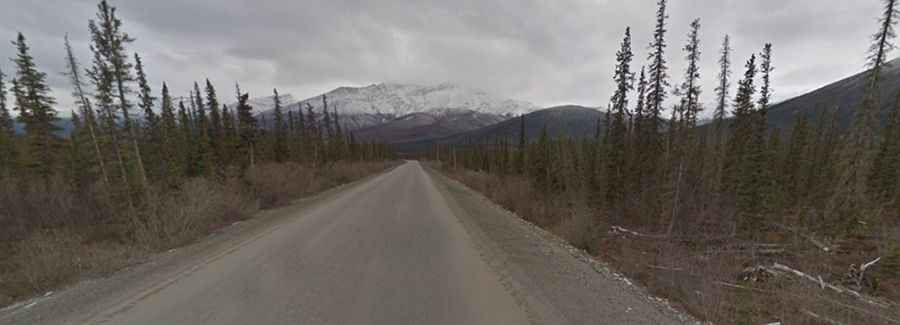
The Dalton Highway is the definitive benchmark for remote driving in North America. Stretching 414 miles from Fairbanks to Deadhorse, it is a primary logistical artery for Arctic oil fields, dominated by heavy "ice road" haulers. The silence here is a byproduct of extreme geography; traversing boreal forests and the Brooks Range, the road offers zero services for hundreds of miles. It is a route where isolation is not a luxury, but a high-consequence environmental factor.
2. US Route 50 (Utah/Nevada): The Loneliest Road
Dubbed "America’s Loneliest Road," US Route 50 crosses the Great Salt Lake Desert and the high plateaus of the Great Basin. The 335-mile stretch between the Nevada and Colorado state lines is characterized by vast, empty basins and "basin and range" topography. While it provides access to Arches and Canyonlands National Parks, the segments through the salt flats offer a degree of solitude rarely found in the lower 48 states, requiring drivers to monitor fuel levels with clinical precision.
3. US Route 201 (Maine): The Old Canada Road
In the northeastern United States, US Route 201—known as the Old Canada Road—serves as a 157-mile corridor through the dense wilderness of Maine. Following the route of Benedict Arnold’s 1775 expedition, this tree-lined rural arterial is exceptionally quiet outside of peak fall foliage windows. It represents a different type of isolation: one defined by deep forests and river valleys where the primary traffic consists of logging trucks and local transit.
4. US Route 160 (Arizona): The Navajo Nation Transit
Traversing the heart of the Navajo Nation, US Route 160 is a 160-mile stretch of high-plateau desert. Surrounded by sandstone canyons and ancient geological formations like the "Elephant’s Feet," the road is a study in southwestern solitude. The low traffic density is a result of the vast distances between tribal settlements and the rugged nature of the surrounding sandy terrain, making it a critical route for those seeking unencumbered vistas of the Arizona desert.
5. Colonial Parkway (Virginia): The Architectural Byway
For a short-range, low-density experience, the Colonial Parkway (State Route 90003) offers a 23-mile technical transit between Yorktown and Jamestown. Defined by its red-brick tunnels and lack of modern commercial markings, the road maintains a low-traffic profile through historical preservation. While not isolated in the "wilderness" sense, its restrictive commercial vehicle policies ensure a pace and quietness that contrast sharply with the surrounding Virginia interstate grid.
Conclusion: The Strategy of Solitude
Navigating the quietest roads in America is a tactical decision to trade infrastructure for isolation. Whether managing the gravel-saturated miles of the Dalton or the heat-distorted horizons of the US-50, these routes demand a specific mindset of preparedness. On these roads, silence is the indicator of a successful escape from the modern grid, providing a rare opportunity to experience the raw, unbuffered geography of the North American continent.