Selecting the Ultimate 4x4 Platform for High-Risk Routes
Selecting a used 4x4 vehicle for high-consequence off-road expeditions is a technical challenge that goes beyond aesthetics. In remote areas where recovery services are non-existent, your vehicle is your primary life-support system. Whether you are navigating the rocky passes of the San Juan Mountains or the isolated tundra of the Dalton Highway, understanding the mechanical hierarchy of off-road platforms is essential for ensuring both operational success and personal safety.
| 4x4 Selection Criteria: Technical Benchmarks | |
|---|---|
| Chassis Integrity | Full ladder-frame (Body-on-frame) for torsional rigidity |
| Drivetrain Requirement | Low-range transfer case & mechanical locking differentials |
| Suspension | High-articulation setup with heavy-duty dampers |
| Recovery Capability | Wincher-ready bumpers & reinforced recovery points |
The Operational Mission: Matching Vehicle to Terrain
Before investing in a 4x4 platform, you must define the operational mission. A vehicle optimized for "overlanding" (long-distance, mixed-terrain travel) requires different technical specifications than a "rock crawler" or a utility-focused agricultural transport.
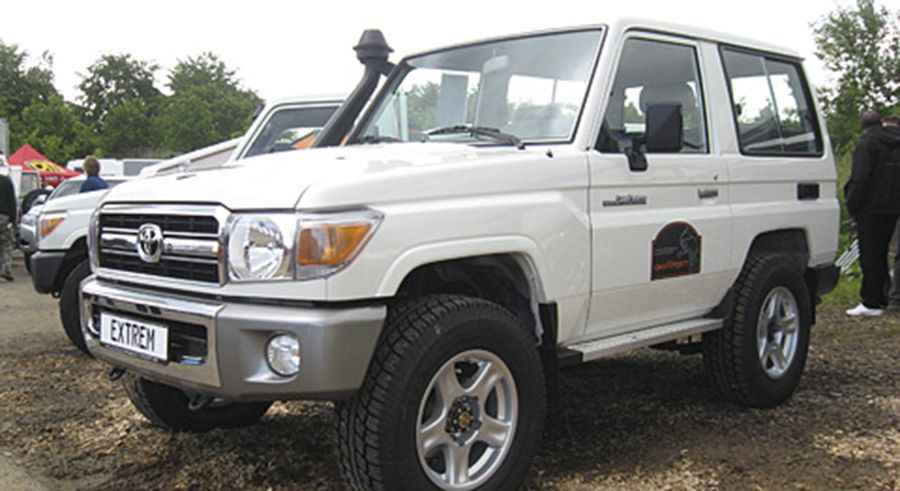
- Long-Distance Expeditions: Demand reliability, fuel autonomy, and payload capacity. The global gold standard remains the Toyota Land Cruiser (70, 80, or 100 series) and the Nissan Patrol due to their overbuilt drivetrains and global parts availability.
- Technical Rock & Trail: Requires high ground clearance and short wheelbases. The Jeep Wrangler or Land Rover Defender offer superior approach and departure angles for navigating deep ruts and boulders.
- Utility & Rural Logistics: Platforms like the Mitsubishi Pajero or Toyota Hilux balance daily driveability with sufficient all-wheel-drive capability for unpaved country roads.
Technical Inspection: Identifying "Invisible" Failures
Buying a used expedition vehicle is an exercise in risk mitigation. A well-maintained exterior can often mask severe mechanical neglect.
- Frame Corrosion: In many older 4x4s, rust is the primary cause of structural failure. Inspect the chassis rails—especially near the suspension mounts—for deep scaling or "patch" repairs.
- Drivetrain Stress: Test the low-range engagement and locking differentials on a loose surface. Any hesitation or grinding indicates internal wear in the transfer case or actuators.
- Electronics vs. Simplicity: In remote civilization-free zones, simplicity equals reliability. Older, mechanically-governed engines (like the Toyota 1HZ or Nissan TD42) are often preferred over modern common-rail diesels because they are less vulnerable to electrical failures and poor fuel quality.
Mechanical Winches and Self-Recovery
For expeditions away from civilization, a winch is a non-negotiable requirement. While electric winches are common, certain legacy models of the Nissan Patrol and Toyota Land Cruiser came equipped with factory mechanical (PTO) winches. These are powered directly by the engine's gearbox and offer a high duty cycle for sustained recovery operations, providing an added layer of safety in treacherous conditions.
Conclusion: The "Best" Vehicle is the Most Reliable One
The "best" 4x4 is not defined by its year of production or its luxury features, but by its remaining service life and mechanical condition. A high-mileage vehicle that has been meticulously serviced is a safer choice than a newer, neglected "mall crawler." On the world’s most dangerous roads, your focus should be on the technical terrain ahead; ensuring your platform is mechanically sound before departure is the only way to guarantee you reach your target.