What is the Safest Car for a Teenage Driver in the USA
For novice drivers, the transition to independent road operations involves managing risks that are often magnified by inexperience. Beyond the emotional appeal of a first vehicle, the selection process must be governed by structural integrity, electronic safety systems, and weight-to-power ratios. In the United States, where road conditions vary from high-speed interstates to unpredictable rural transits, choosing a vehicle with a proven safety record is the primary strategy for mitigating collision risks.
| Safety Criteria for New Drivers | |
|---|---|
| Critical Technology | Electronic Stability Control (ESC) |
| Vehicle Mass | Mid-size to Large (Better kinetic protection) |
| Engine Spec | Low Horsepower (Avoids high-speed volatility) |
| IIHS Standard | "Top Safety Pick" ratings preferred |
Which mid-size sedans offer the best safety ratings?
Mid-size sedans provide a stable wheelbase and predictable handling, making them ideal for those learning to manage vehicle momentum. Key models with high safety marks include:
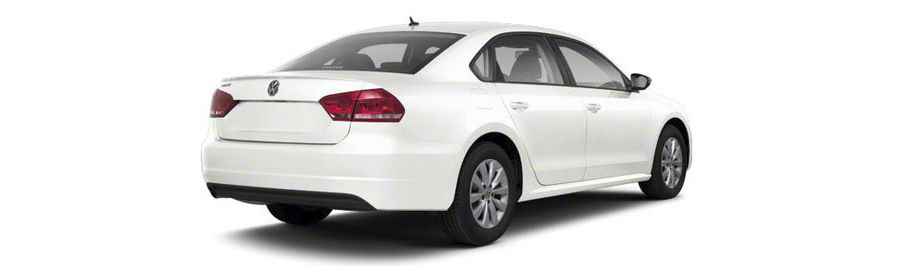
- Volkswagen Passat (2012+): Known for structural rigidity and consistent braking performance.
- Volvo S60 (2011+) and S80 (2007+): Volvo has historically led the industry in "active" safety features designed to prevent collisions before they occur.
- Ford Fusion (Late 2012+): This model incorporates advanced airbag systems and reinforced side-impact protection.
Why is Electronic Stability Control (ESC) mandatory for safety?
Electronic Stability Control is arguably the most significant safety advancement since the seatbelt. ESC uses sensors to detect when a vehicle is losing traction or beginning to skid. It automatically applies individual brakes to keep the car on its intended path. For novice drivers navigating slippery or gravel roads, ESC is a critical safety net that significantly reduces the risk of single-vehicle rollovers and loss-of-control accidents.
Are larger vehicles like the Ford Taurus or Mazda CX-5 safer?
Physics dictates that in a multi-vehicle collision, mass plays a significant role in occupant protection. Larger vehicles like the **Ford Taurus (2013+)** or mid-sized SUVs like the **Mazda CX-5 (2014+)** offer larger crumble zones and better protection in offset frontal crashes. However, the trade-off is a higher center of gravity; therefore, ensuring these larger models are equipped with modern stability systems is essential to maintain safety during emergency maneuvers.
What are the mechanical red lines when buying a car for a teenager?
When evaluating a vehicle for a novice driver, certain mechanical specifications should be non-negotiable:
- Avoid High-Horsepower Engines: High-performance engines encourage speeds that exceed a novice's ability to react to road hazards. Focus on reliable, four-cylinder or modest six-cylinder powerplants.
- Weight and Balance: Avoid small, sub-compact cars which provide less protection in high-speed highway environments.
- Safety Certifications: Always verify the vehicle's history via the IIHS (Insurance Institute for Highway Safety) to ensure it meets modern crash-test standards.
Conclusion: Prioritizing Structural Integrity over Aesthetics
The safest car for a novice driver is one that prioritizes structural integrity and active safety technology over aesthetic appeal or engine performance. By selecting mid-to-large sized vehicles with documented safety ratings and ensuring they are equipped with Electronic Stability Control, you provide the driver with a more forgiving platform for learning. In the high-risk environment of modern roads, mechanical reliability and crashworthiness are the most valuable features any vehicle can offer.