Best Road Trips in the US for Deer Hunters
For the expeditionary hunter, the American road network serves as the primary artery into high-density wildlife corridors. Moving beyond the familiarity of local territories requires a strategic approach to long-range transit, navigating unpaved forest service roads and managing vehicle logistics in remote biomes. From the dense timber of the Pacific Northwest to the vast public lands of the Great Plains, these hunting road trips demand mechanical reliability and a disciplined understanding of seasonal terrain volatility.
| Hunting Logistics: Operational Zones | |
|---|---|
| Primary Terrain | National Forests, BLM Lands, and WMAs |
| Vehicle Requirement | High-clearance 4x4 with recovery gear |
| Logistical Node | North Dakota, Washington, and Oklahoma |
| Risk Multiplier | Sudden thermal shifts & remote mechanical failure |
1. Washington: The Colville National Forest Corridor
Northeastern Washington represents a high-complexity environment for whitetail hunting. Accessing the 1.1 million acres of the Colville National Forest involves navigating narrow, often poorly maintained forest service roads.
- Operational Risk: While winters are not consistently brutal, thermal inversions can cause rapid-onset icing on high-altitude gravel roads.
- Navigation: Heavy timber density limits satellite signal reliability; secondary offline GPS redundancy is a mandatory requirement for these "backroads."
2. North Dakota: The Killdeer Mountain Ingress
North Dakota offers unparalleled accessibility to public hunting grounds, but the vastness of its BLM (Bureau of Land Management) lands requires significant vehicle autonomy.
- Terrain Analysis: The Killdeer Mountains feature rugged topography where washouts and wheel ruts are common.
- Logistics: The state’s wildlife management areas allow for same-day tagging, but the sheer scale of the prairie roads means fuel management and tyre integrity are critical to avoid being stranded in sub-zero environments.
3. Oklahoma: Southern Timber and WMA Navigation
The "Sooner State" provides a distinct transition from the plains of Kansas to the heavy timber of the south. Navigating the 920,000 acres of public land, specifically the Three Rivers and Honobia Creek WMAs, demands a vehicle capable of managing clay-heavy mud and dense forest tracks.
- Soil Logistics: The richer, heavier soil in the southern sectors becomes highly unstable during precipitation events, requiring advanced off-road recovery tools (winches, traction boards).
- Visibility: Heavy timber limits line-of-sight on secondary roads, increasing the risk of collision with wildlife or other expeditionary vehicles.
4. Tactical Preparation for the Hunting Road Trip
A hunting expedition is a test of vehicle and driver endurance. Before engaging with these remote roads, ensure your operational kit includes:
- K9/Human First Aid: Specialized trauma kits for both hunters and tracking dogs.
- Cargo Management: Secure transport systems for firearms and processed game to maintain vehicle balance on uneven gradients.
- Cold-Weather Redundancy: Survival gear capable of sustaining life in the event of a total mechanical failure in isolated zones.
Conclusion: The Strategy of the Hunt
The success of a hunting road trip across the US is defined by the quality of your ingress strategy. By treating the road as a dynamic part of the hunt, you minimize the risks associated with remote navigation. On the roads to Washington, North Dakota, or Oklahoma, the thrill of the unexpected is balanced by the discipline of your preparation. Respect the terrain, and the terrain will provide the prize.
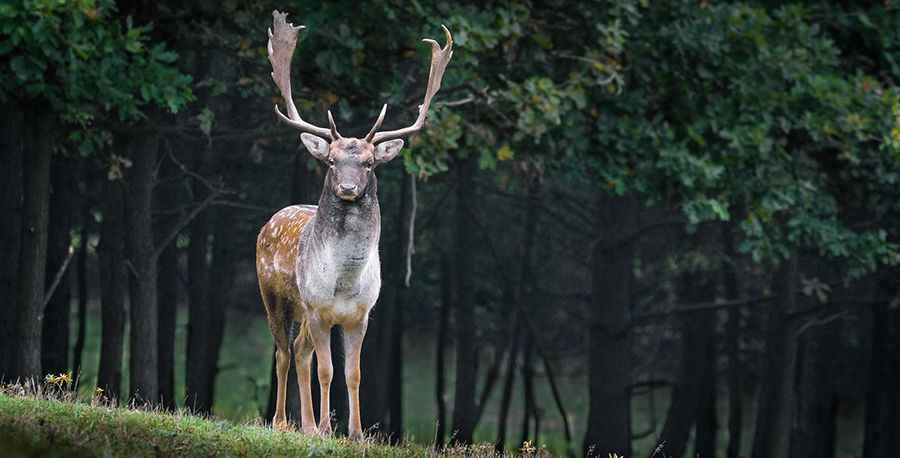
Image by Lubos Houska from Pixabay