What are the most challenging National Park roads to drive in the USA?
Driving through US National Parks requires managing high-altitude climbs, steep gradients, and sharp drops. While these routes are paved, the mountain terrain puts heavy stress on engines and brakes, with sudden seasonal closures blocking passes for months.
| Road facts: Major US National Park Roads | |
|---|---|
| Trail Ridge Road | 3,713 m (12,183 ft) elevation, no guardrails |
| Tioga Pass | 3,031 m (9,943 ft) elevation, steep Sierra Nevada slopes |
| Scenic Byway 12 | Narrow ridge ("The Hogback"), steep drops |
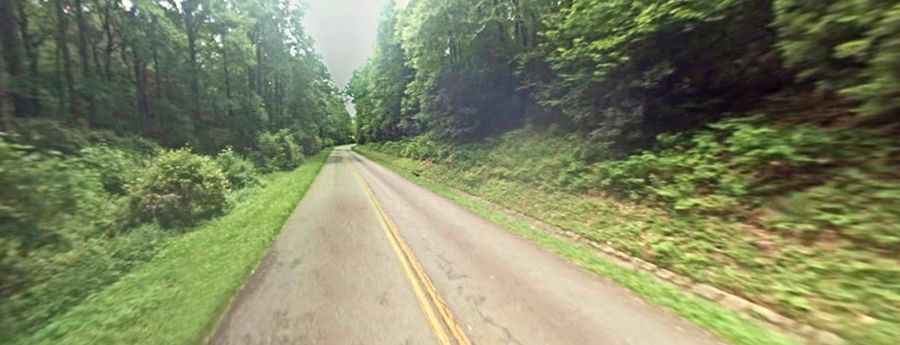
| Blue Ridge Parkway | Continuous curves, frequent heavy fog |
How dangerous is Trail Ridge Road in the Rocky Mountains?
Trail Ridge Road is the highest continuous paved road in the United States, reaching a peak of 3,713 meters (12,183 ft) above sea level. The primary hazard is the total absence of guardrails along long sections of the climb. The asphalt runs directly along the edge of the tundra drop-offs. High winds hit the open mountain ridge continuously, and the thin air causes a clear drop in engine power. Snow and ice can cover the road even in summer, requiring low gears and slow speeds.
What are the driving risks on Tioga Pass in Yosemite?
Reaching an elevation of 3,031 meters (9,943 ft), the Tioga Road crosses the Sierra Nevada range with steep, continuous slopes. On the long descent toward Mono Lake, heavy vehicles and campers can easily overheat their brakes if drivers do not shift into low gear. Snow buries the pass from November until late May or June, making it impassable for months. Early and late season driving involves black ice in shaded turns and sudden snowstorms.
What is "The Hogback" on Utah’s Scenic Byway 12?
Utah's State Route 12 connects Bryce Canyon and Capitol Reef, passing through a narrow section known as The Hogback. Here, the paved road runs along a narrow rock ridge with steep cliffs dropping directly off both sides of the lane. There are no paved shoulders and no guardrails. Side winds can blow high-profile vehicles toward the edge, forcing drivers to stay strictly in the center of the lane.
What hazards affect driving on the Blue Ridge Parkway?
Unlike the high Western passes, the Blue Ridge Parkway is defined by a continuous series of turns without long straight sections. Thick fog drops visibility to a few meters without warning, especially in the higher sectors. The narrow two-lane road lacks streetlights, and deer and other wildlife frequently cross the asphalt at night, requiring lower speeds and constant attention to the road edge.