Red Mountain: The steep high-altitude road via Peek-A-Boo Gulch
Red Mountain is a high mountain peak at an elevation of 3,869m (12,693ft) above sea level, located in Chaffee County, in the US state of Colorado. Located in the Sawatch Range, the road to the summit follows the old Peek-A-Boo Gulch mining track, ranking among the highest roads in Colorado.
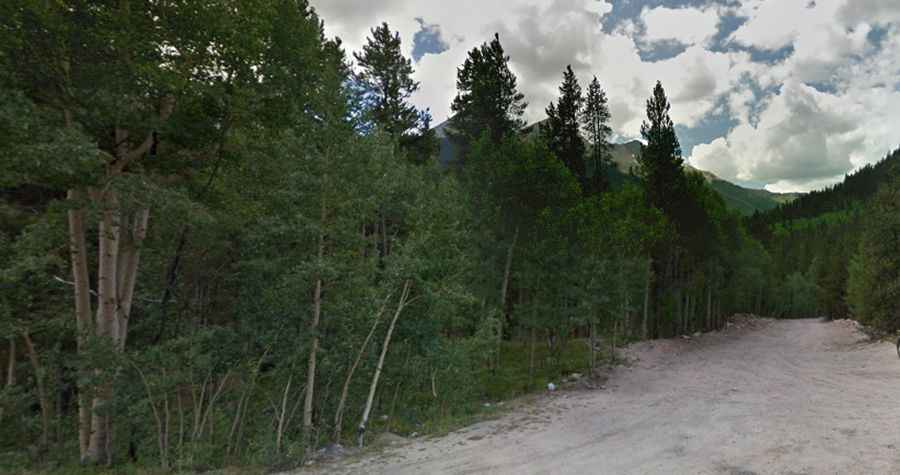
| Road facts: Red Mountain (Peek-A-Boo Gulch) | |
|---|---|
| Location | Chaffee County, Colorado (USA) |
| Elevation | 3,869 m (12,693 ft) |
| Length | 3.0 km (1.86 miles) from the gulch end |
| Average Gradient | 10.16% |
How difficult is the climb on Peek-A-Boo Gulch Road?
The final 3-kilometer ascent to the summit is a brutal rock crawl. With an average gradient of 10.16%, the track is a relentless series of steep ramps on loose shale and jagged mining debris. At nearly 3,900 meters, your engine will lose about 40% of its torque due to the thin air, making the climb feel twice as steep. The track is extremely narrow; full-size trucks should stay away, as there is absolutely no room to turn around or pass once you enter the upper ledge sections. One wrong move on the loose stones and your tires will spin out, leaving you stranded on a 10% incline.
What are the hazards on the Red Mountain summit road?
The main danger is the combination of extreme vertical exposure and unstable ground. The old mining trail consists of "scree" and loose gravel that can shift under the weight of a 4x4, especially on the narrowest shelf sections. There are no guardrails, and a steering error on these ledges is catastrophic. Sudden summer storms turn the thin soil into a slick film, and runoff frequently washes out the track, exposing sharp rocks that will slash through standard sidewalls like a knife. If you have a fear of heights, this road will be a nightmare.
Is Red Mountain open in the summer?
The window is very short. Snow often blocks the Peek-A-Boo Gulch Road until late July, and even then, massive drifts can stay in the shadows year-round. A sudden blizzard in August is common in the Sawatch Range, turning a difficult drive into a survival situation in minutes. If you break an axle or overheat at 3,869 meters, you are hours away from any specialized help, and a recovery at this altitude is almost impossible. High-clearance 4x4s with low-range (4L) are mandatory to keep the motor from boiling over in the oxygen-starved air.