Is the road to Iron Mountain in California difficult to drive?
Iron Mountain is a high mountain peak reaching an elevation of 2,892 meters (9,488 ft) above sea level in the Inyo Mountains of California, United States. Located in Inyo County, the unpaved trail ranks among the highest roads in the area and forms part of the highest roads in California.
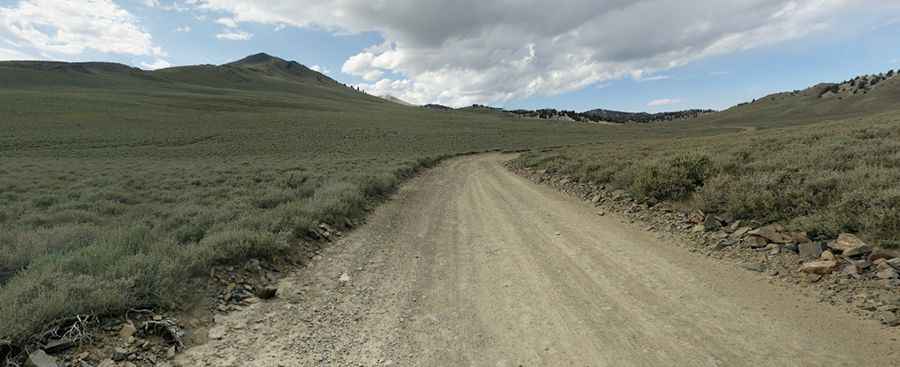
| Road facts: Iron Mountain | |
|---|---|
| Location | Inyo County, California (USA) |
| Elevation | 2,892 m (9,488 ft) |
| Length | 23.9 km (14.8 miles) from CA-168 |
| Elevation Gain | 1,456 m (4,776 ft) |
| Average Gradient | 6.09% |
| Surface | Unpaved loose gravel, shale, and desert rock track |
| Vehicle Requirement | High-clearance 4WD with low-range transfer case |
Where is the road to Iron Mountain located?
The trail ascends the Inyo Mountain Range in eastern California. The route begins near Gilbert Pass along California State Route 168 (CA-168) and climbs east up to the summit ridge at 2,892 meters.
Is the road to Iron Mountain unpaved?
Yes. The entire 23.9-kilometer route is unpaved, consisting of hard-packed desert ground, sharp shale, and loose gravel ramps. Driving requires a high-clearance 4WD vehicle equipped with low-range transfer gear options to negotiate loose traction on steep incline sections.
How long is the road to Iron Mountain?
Starting from the CA-168 junction near Gilbert Pass, the track measures 23.9 kilometers (14.8 miles) to the peak. Over this distance, the road gains 1,456 vertical meters, maintaining an average gradient of 6.09% with steeper individual ramps along the upper ridgeline.
What hazards exist when driving to Iron Mountain?
The main physical hazards are narrow shelf-road sections with unshielded drop-offs into the Inyo Valley, lack of vehicle turnouts near the summit, and loose gravel beds on switchback apexes. High altitude and high summer temperatures put heavy thermal load on cooling systems, while winter snowpack blocks the 2,892-meter summit from late autumn into late spring.
Pic: Uday Maripalli