How steep is the 4x4 road to Treasure Hill in Nevada?
Treasure Hill is a high mountain peak at an elevation of 2,805m (9,202ft) above sea level located in White Pine County, in the US state of Nevada. The road to the summit is a 2.7-mile mining track that climbs steeply from the ghost town of Hamilton in the White Pine Range.
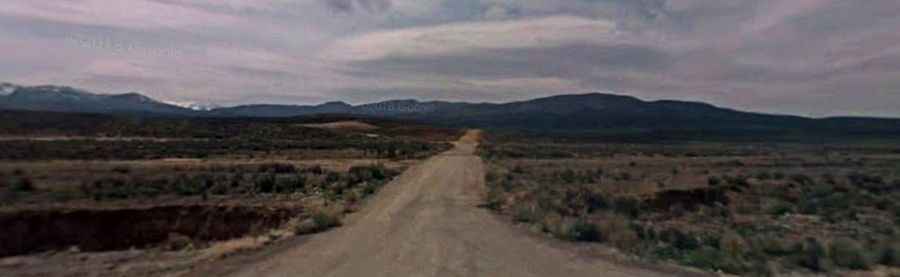
| Road facts: Treasure Hill | |
|---|---|
| Location | White Pine County, Nevada (USA) |
| Elevation | 2,805 m (9,202 ft) |
| Length | 2.7 miles (4.3 km) from Hamilton |
| Surface | Loose Limestone and Rocks |
How difficult is the drive to Treasure Hill?
The 2.7-mile ascent is a relentless climb over unmaintained mining spurs. The surface is composed of loose limestone, jagged rocks, and deep ruts that have been washed out over decades. The most dangerous aspect of this road is the "tippy" or off-camber sections, where the roadbed has eroded toward the downslope, making the vehicle lean precariously toward the edge. You need a high-clearance 4x4 with a low-range gearbox (4L) to maintain traction and control over the uneven terrain.
What are the hazards on the Treasure Hill mining track?
The track is narrow, with almost no spots to pass or turn around once you start the final climb. Many sections are built over old mine tailings, which are unstable and can crumble under the weight of a heavy vehicle.
When is the road to Treasure Hill open?
Snow buries the White Pine Range from November until May. The road is never plowed. During the spring melt, the limestone dust turns into a thick, slippery slurry that offers no grip, even for mud-terrain tires. The best time to attempt the drive is during the dry summer months, but you must watch for afternoon thunderstorms. Rain will turn the deep ruts into small rivers.