Mount Emerine in Montana: Driving the 30 hairpins to the lookout
Mount Emerine is a high mountain peak at an elevation of 2,631m (8,631ft) above sea level, located in Granite County, in the US state of Montana.
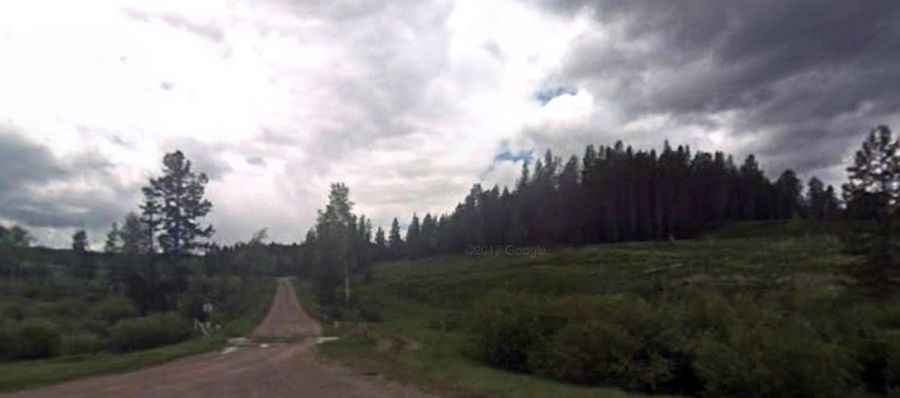
| Road facts: Mount Emerine | |
|---|---|
| Elevation | 2,631m (8,631ft) |
| Length | 16.7 km (10.3 miles) |
| Elevation Gain | 967 m |
| Average Gradient | 5.79% |
| Special Features | 30 Hairpin Turns |
Where is Mount Emerine?
The peak is located in the western part of Montana, within the Beaverhead-Deerlodge National Forest.
Why is there a road to Mount Emerine?
The site originally hosted a pole platform tower and a log cabin built in the 1920s. These early structures were replaced in 1932 by a 20-foot L-4 tower, which in turn was replaced in 1964 by an R-6 flat tower built by Driggs Construction of Anaconda. Although the tower was eventually removed, the original log cabin still remains at the summit.
Is the road to Mount Emerine unpaved?
The road to the summit is a rugged mountain track with gravel and loose rocks. Due to its steepness and the 30 sharp hairpin turns, a 4x4 vehicle is required. The track is unsuitable for those with a fear of heights or inexperienced in off-road.
How long is the road to Mount Emerine?
Starting from Skalkaho Road, the road to the summit is 16.7 km long. Over this distance, the average gradient is 5.79%. There are no services at the summit or along the trail.
Is the road to Mount Emerine open year-round?
Set high in the Sapphire Mountains, the road is highly seasonal and remains impassable during the winter months when heavy snow blankets the higher elevations of Montana. The area can be prone to washouts after heavy rain or late-season snowmelt.