Driving the unpaved Forest Service Road 616 to East Lone Cone Pass
East Lone Cone Pass is a high mountain pass located in Dolores County, in the U.S. state of Colorado.
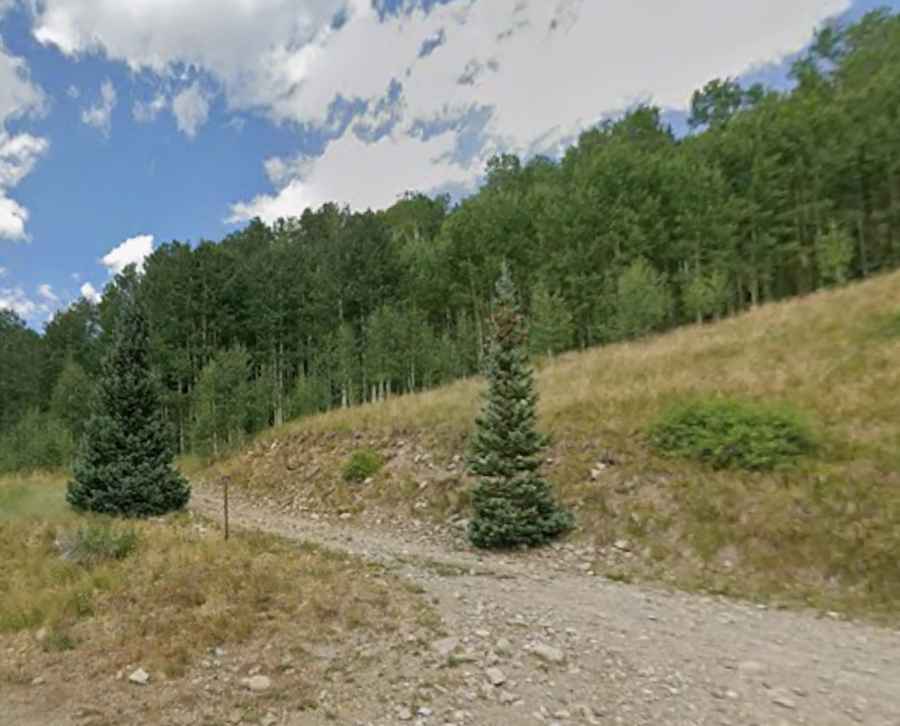
| Road facts: East Lone Cone Pass | |
|---|---|
| Location | Dolores County, Colorado (USA) |
| Elevation | 3,286 m (10,780 ft) |
| Road Name | Forest Service Rd 616 (Middle Creek Rd) |
| Length | 9.3 km (5.8 miles) |
| Hairpins | 7 sharp switchbacks |
| Surface | Unpaved (Gravel, mud, and bare rock outcrops) |
How long is the road to East Lone Cone Pass?
Located in the southwestern part of Colorado, the road to the summit is called Forest Service Road 616. It’s 9.3-kilometer long running from County Road 49G to County Road 52, northwest of the settlement of Dunton.
Is the road to East Lone Cone Pass unpaved?
The road is totally unpaved, with loose volcanic gravel, embedded rock steps, and deep dirt ruts. It features many curves and a section with 7 tight hairpin turns on steep gradients. A 4x4 vehicle with high clearance is required.
Is the road to East Lone Cone Pass open year-round?
Set high in the San Miguel Mountains, the road tops out at 3,286 meters (10,780 ft) above sea level. It’s buried under heavy snowpack throughout the winter and spring seasons. Landslides and rockfalls frequently block the lane layout after winter storms. The Forest Service maintains closed gates from late November until late June when the surface snow melts.
When is the best time to drive the road to East Lone Cone Pass?
The best time to drive the road is from July through September, before early autumn. Summer driving conditions over the pass can be challenging due to sudden afternoon thunderstorms.