How to drive Sheep Mountain Road (NF-012) in Idaho?
Sheep Mountain is a high-mountain peak in the Salmon River Mountains of central Idaho. Located within the Salmon-Challis National Forest, the track to the summit is called NF-012 (Sheep Mountain Road), an unpaved single-lane mountain route running along exposed rock ridges.
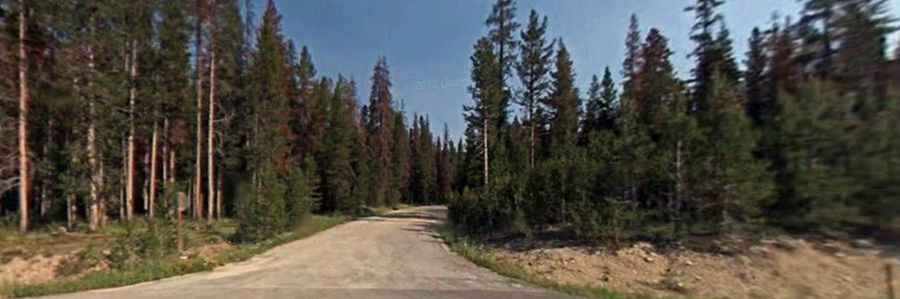
| Road facts: Sheep Mountain Road (NF-012) | |
|---|---|
| Location | Salmon River Mountains, Idaho (USA) |
| Road Designation | Forest Road NF-012 |
| Elevation at Summit | 2,594 m (8,510 ft) |
| Length | 8.4 miles (13.5 km) from NF-008 |
| Surface | 100% unpaved (loose gravel, sharp rocks, deep dirt ruts) |
| Vehicle Requirements | High-clearance 4x4 mandatory |
Where is Sheep Mountain Road located?
The road is situated in central Idaho within the Salmon-Challis National Forest. NF-012 branches off the main forest route NF-008 and climbs 8.4 miles (13.5 km) directly to the 2,594-meter peak.
Is Sheep Mountain Road paved?
No. The entire 8.4-mile climb is unpaved, consisting of a narrow dirt track littered with loose gravel, sharp rock outcrops, and deep rutting from water run-off.
Is a 4x4 required to drive NF-012?
Yes. A high-clearance 4x4 with low range is mandatory. Steep ramps covered in loose scree require four-wheel drive traction, while high ground clearance is necessary to clear rock ledges and deep ruts without damaging the undercarriage.
How challenging is the drive to Sheep Mountain?
The track is a single-lane shelf road with no guardrails or barriers along steep drop-offs. Tight switchbacks are covered in loose, sliding stone that reduces wheel grip during turns, requiring slow, controlled driving.
Is Sheep Mountain Road open year-round?
No. Due to heavy snow accumulation in the Salmon River Mountains, NF-012 is unplowed and remains impassable from late autumn through early summer. Summer thunderstorms can also turn dry dirt sections into slick mud within minutes.