How to drive Mahogany Road to Gunsight Pass in Oregon?
Gunsight Pass is a high-altitude desert gap at an elevation of 1,930m (6,332ft) above sea level, located in Malheur County, in the southeastern corner of Oregon. The pass is crossed by Mahogany Road, a remote 33 km (20.5 miles) unpaved track running near the Idaho border through the Succor Creek drainage basin.
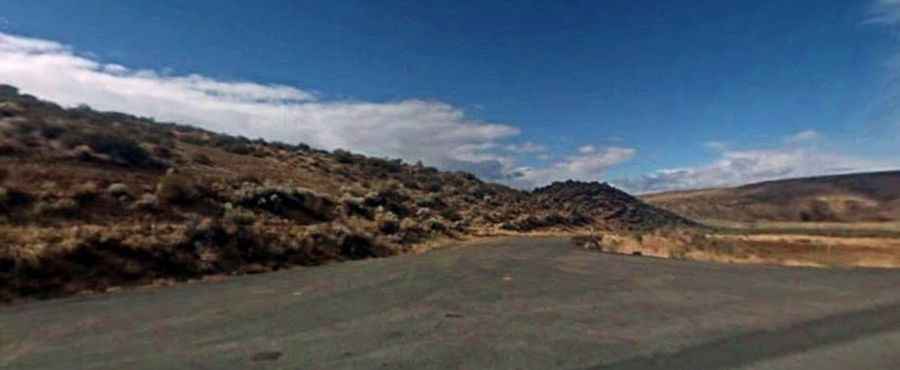
| Road facts: Gunsight Pass (Mahogany Road) | |
|---|---|
| Location | Malheur County, Oregon (USA) |
| Road Name | Mahogany Road |
| Elevation at Pass | 1,930 m (6,332 ft) |
| Length | 33 km (20.5 miles) |
| Surface | 100% unpaved (volcanic gravel, high-clay dirt, loose rock) |
| Vehicle Requirements | High-clearance 4x4 mandatory |
Where is Gunsight Pass located?
The pass is situated in remote southeastern Oregon within Malheur County. Mahogany Road links Upper McCain Spring Road with Succor Creek Road, running 33 km through uninhabited high-desert terrain near the Idaho state line.
Is Mahogany Road to Gunsight Pass paved?
No. The entire 33 km route is unpaved, consisting of volcanic gravel, heavy washboard corrugations, and high-clay dirt.
Is a 4x4 required to drive Mahogany Road?
Yes. High ground clearance and four-wheel drive are mandatory. Deep cross-rutting from seasonal washouts and sharp volcanic rock outcrops require skid plate protection and low-range 4WD to avoid bottoming out.
What happens to Mahogany Road when it rains?
Rain transforms the dry volcanic soil into thick, sticky gumbo mud. The heavy clay clogs tire treads immediately, eliminating traction and bogging down vehicles even on flat stretches of track.
How dangerous is the road to Gunsight Pass?
The primary hazards are extreme isolation with no cell coverage or emergency services, sharp volcanic rock that easily slices tire sidewalls, and soft, uncompacted shoulders along narrow shelf sections that can crumble under heavy vehicle weight.