Scenic but Demanding: Roads That Test Driver Focus and Precision
A mountain highway carves through a granite canyon, every curve revealing another postcard view. The problem is that each of those curves also demands total concentration, split-second steering corrections, and zero room for error.
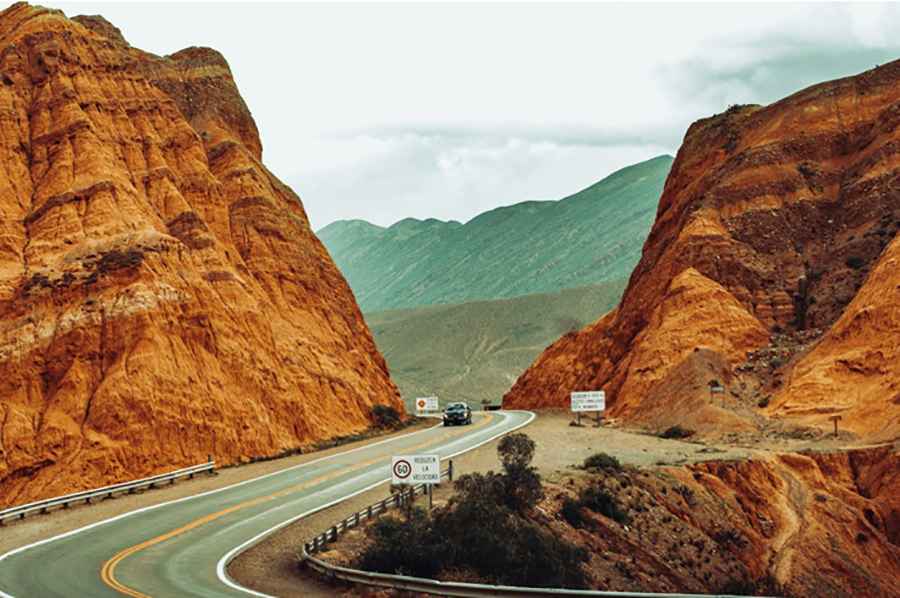
Across the United States, some of the most visually stunning roads double as serious tests of skill and composure. For driving enthusiasts, these routes offer something rare: scenery that rewards the journey and terrain that refuses to let anyone coast through it. What follows is a look at specific roads where beauty and difficulty exist side by side, along with what makes them so demanding and how to prepare before setting out.
What Turns a Scenic Drive Into a Test
Not every winding mountain road qualifies as genuinely demanding. The difference comes down to a specific combination of features: tight switchbacks, hairpin turns, steep grades that strain brakes on long descents, blind corners that hide oncoming traffic, exposed drop-offs with no guardrail, and rapid elevation changes that thin the air and reduce engine power.
Roads packed with these elements carry a measurably higher accident rate than flat rural highways, according to mountain driving hazard statistics. Driver fatigue is only part of the equation, though.
These routes also leave physical marks on vehicles. Gravel spray chips paint, narrow squeezes past rock walls scuff panels, and brush contact along tight shoulders adds scratches that weren't there at the start. On Colorado's Million Dollar Highway, post-trip cosmetic damage is common enough that many drivers already plan for it, and small body marks from debris or roadside contact are typically handled through professional mobile dent repair without requiring a shop visit.
Roads That Reward Skilled Drivers
Each of the following five roads represents a distinct type of driving challenge rather than a ranked list of difficulty. From rapid-fire technical curves to remote expedition routes, they test different skills and suit different experience levels.
Tail of the Dragon, North Carolina/Tennessee
Straddling the border between North Carolina and Tennessee, the Tail of the Dragon packs 318 curves into just 11 miles. That density means constant steering input with almost no straightaway to recover between turns.
Every curve arrives quickly, and many are off-camber or tightening, which punishes drivers who enter too fast. The road passes through dense forest with limited sightlines, so anticipation matters as much as reflexes.
This is America's legendary 318-curve challenge, and it draws driving enthusiasts from across the country for good reason. It rewards smooth, precise inputs and punishes overconfidence. Best suited for experienced canyon drivers who already understand weight transfer and late-apex technique.
Beartooth Highway, Montana/Wyoming
Where the Tail of the Dragon tests rapid-fire reflexes, Beartooth Highway tests endurance and altitude awareness. This scenic byway climbs to nearly 11,000 feet through alpine scenery that shifts from dense pine forest to bare, windswept plateau in a matter of miles.
Steep grades demand careful brake management on the descent, and weather conditions at elevation can change with almost no warning. Snow squalls in July are not unusual here. Drivers familiar with Going-to-the-Sun Road will recognize similar alpine challenges, though Beartooth stretches the experience over greater distance.
Intermediate drivers can handle Beartooth comfortably in clear summer weather. During shoulder season, ice patches and reduced visibility push it firmly into advanced territory.
Pacific Coast Highway, California
The Pacific Coast Highway often gets categorized as a leisurely scenic drive, which is exactly what makes it deceptively dangerous. Narrow lanes hug the California coastline with blind corners carved into cliffsides, and the drop-offs to the ocean below are steep and unguarded in many stretches.
Fog rolls in without much notice, cutting visibility to a few car lengths. Combine that with cyclists, slow-moving RVs on single-lane sections, and crumbling shoulders, and the PCH demands sustained focus over long distances. Drivers who have tackled demanding international routes like Norway's iconic Atlantic coastal route will recognize the same blend of beauty and exposure.
Confident drivers with good spatial awareness will enjoy it. Those prone to distraction or uncomfortable with exposure will find it genuinely stressful, especially on the Big Sur segment.
Moki Dugway, Utah
Moki Dugway offers something none of the other roads on this list do: an unpaved switchback descent carved directly into a cliff face. The grade is steep, the surface is loose gravel, and guardrails simply do not exist along most of the route.
A high-clearance vehicle is strongly recommended. The narrow hairpin turns require precise speed control, and the exposure on the outer edge is significant enough to unsettle even experienced drivers. This is not a road for anyone who tenses up near heights or unprotected ledges.
Dalton Highway, Alaska
The Dalton Highway represents the far end of the difficulty spectrum. Stretching 414 miles of largely unpaved road through remote Alaska, it combines truck traffic, extreme weather conditions, and a near-total absence of services.
Flat tires, cracked windshields from gravel spray, and long gaps between fuel stops make this an expedition-level undertaking. Only drivers with proper preparation, emergency supplies, and genuine backcountry experience should attempt it.
When to Go and What to Bring
Timing matters as much as skill on these roads. High-altitude routes like Beartooth Highway and Going-to-the-Sun Road operate on narrow seasonal windows, typically opening in late May and closing by September depending on snowpack. Missing that window means locked gates and no alternative.
Lower-elevation roads like the Pacific Coast Highway and Tail of the Dragon stay open year-round, but weather conditions still dictate difficulty. Coastal fog, winter ice, and autumn leaf cover on pavement each introduce hazards that dry summer asphalt does not.
Vehicle preparation deserves equal attention. Unpaved routes like Moki Dugway and Dalton Highway call for 4WD or high-clearance vehicles at minimum. For alpine roads with sharp elevation changes, all-season tires in good condition are non-negotiable.
Brake pads, fluid levels, and tire tread should all be inspected before any mountain drive, since steep grades stress components far more than flat-road cruising ever will.
The Drive Is the Destination
For driving enthusiasts, the appeal of these roads is inseparable from the difficulty. The focus they demand is what transforms a scenic drive into something memorable, something felt rather than simply observed.
Preparation and respect for the terrain go a long way. The reward, though, belongs to those willing to earn every mile.
Image source