Virgin River Gorge: The Most Expensive and Dangerous Stretch of Interstate 15
The Virgin River Gorge, located in the northwestern corner of Arizona, is one of the most geographically stunning and engineered-intense sections of the entire Interstate Highway System. Carved through sheer limestone cliffs, this 29-mile stretch of I-15 serves as a vital artery between Las Vegas and Salt Lake City. However, its breathtaking beauty hides a treacherous environment where narrow lanes, extreme weather, and complex bridge structures create a high-stakes driving experience.
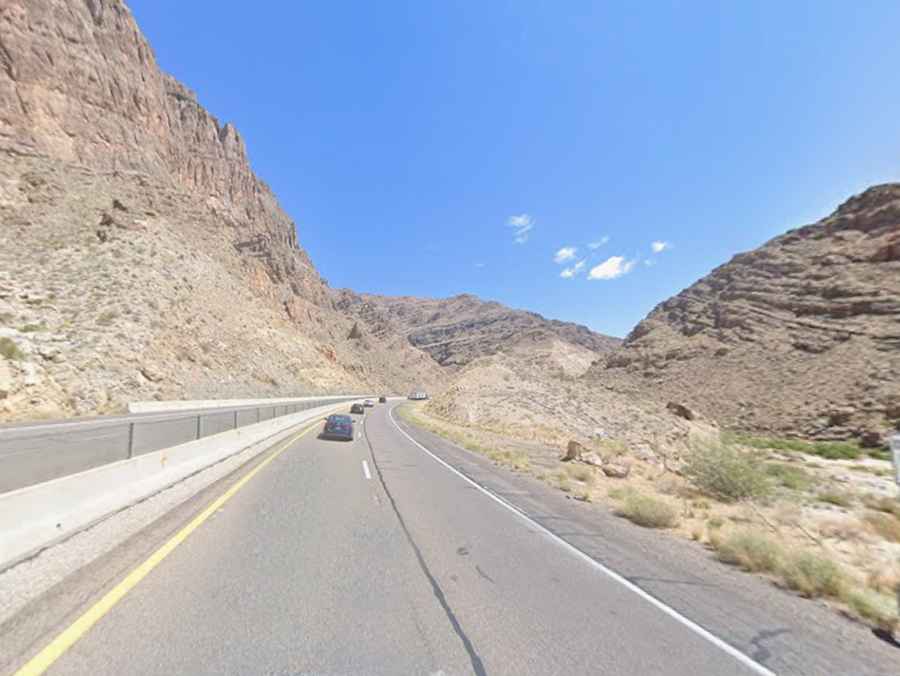
| Road facts: Virgin River Gorge (I-15) | |
|---|---|
| Location | Arizona, USA (connecting Nevada and Utah) |
| Construction Cost | $10 million per mile (in 1973 dollars) |
| Max Gradient | Significant elevation changes within a winding canyon |
| Hazard Level | High (Zero shoulders, Black ice, Wind gusts) |
The Winter Nightmare: The 2013 Stranding
The risks of the Virgin River Gorge are best illustrated by the events of January 2013. A sudden and severe Arctic storm dropped over 10 inches of snow and thick layers of ice into the canyon. Because the gorge is a natural bottleneck with sheer walls and no exit points, over 300 motorists were trapped overnight. The Arizona Highway Patrol had to close the freeway, and emergency crews struggled to reach those stranded in sub-zero temperatures. It remains a stark reminder that in the gorge, there is no place to turn around once disaster strikes.
An Engineering Marvel with No Margin for Error
Completed in 1973, this was the most expensive rural highway ever built in the U.S. Engineers had to re-channel the Virgin River 12 times to fit the four-lane highway into the narrow canyon. The result is a road with virtually no shoulders. If a vehicle breaks down or a tire blows out, it immediately blocks a lane of traffic, causing massive delays. The gorge also features seven major bridges that require constant maintenance due to the heavy volume of over 1.4 million trucks that transit the route annually.
"The Narrows" and the Black Ice Threat
The most claustrophobic section, known as "The Narrows," is so deep and narrow that during the winter months, the sun never touches the asphalt. This creates a lethal microclimate where moisture freezes into black ice—a transparent, slippery layer that is invisible to the naked eye. While the desert outside the canyon may be dry and clear, the road inside remains a skating rink for unsuspecting drivers.
Operational Hazards: Wind and Construction
Drivers of high-profile vehicles, such as semi-trucks and RVs, must be extremely cautious of the Venturi effect. Wind gusts can accelerate up to 45 mph as they are funneled through the canyon walls, capable of pushing a vehicle out of its lane. Additionally, the Arizona Department of Transportation (ADOT) frequently conducts bridge rehabilitation, reducing the highway to a single lane. In such a confined space, construction zones leave zero room for driver error or distraction.
Driving Tips for the Gorge
- Check Weather Alerts: Always consult the National Weather Service for Arizona and Utah before entering.
- Maintain Distance: Do not tailgate, as sudden stops in the canyon are frequent due to heavy truck traffic.
- Avoid Night Driving in Winter: If possible, transit the gorge during daylight hours when temperatures are slightly higher to avoid ice.
- Secure Your Load: High winds are a constant; ensures everything on your vehicle is tightly fastened.
The Virgin River Gorge is a testament to human ingenuity, but it remains one of the most unforgiving stretches of pavement in the American West. Respect the canyon, or it may leave you stranded in one of the most isolated corridors in the country.