Santa Cruz Island: The Largest Island with Roads—But No Public Driving
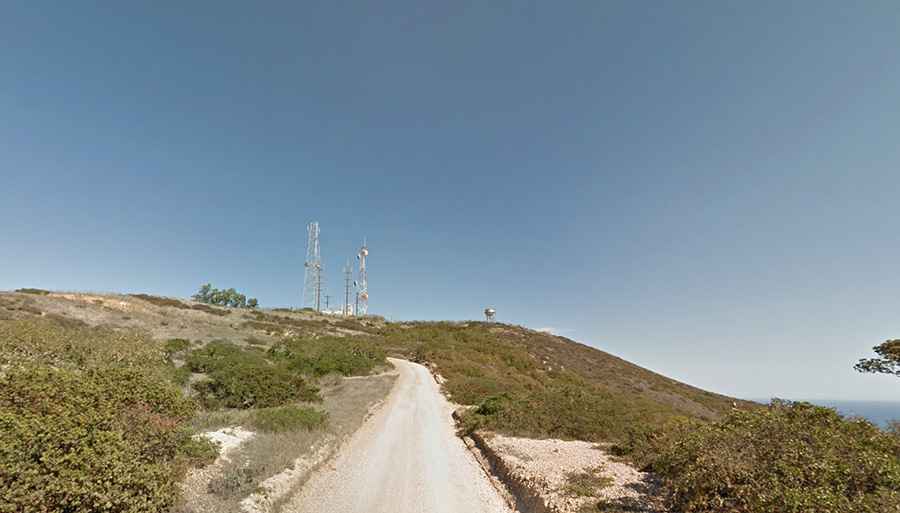
Santa Cruz Island is the largest of the Channel Islands, located about 20 miles off the coast of Ventura, California. It is managed by the National Park Service and The Nature Conservancy. Although the island has a network of rugged dirt tracks and old utility roads, no public cars or motor vehicles are allowed. Visitors must explore this wild territory on foot or by kayak, making it a perfect destination for those looking for a real wilderness experience.
| Santa Cruz Island: Logistics and Facts | |
|---|---|
| Access | Authorized ferry from Ventura or Oxnard |
| Driving Rules | Strictly no public vehicles; Ranger access only |
| Facilities | No shops, gas stations, or restaurants |
| Highest Point | Montaña del Diablo (2,450 ft) |
Are There Any Roads on the Island?
Yes, there are roads, but they are not for public use. The island has a network of old ranch roads and fire breaks established over a century of ranching history. Today, these routes are closed to all tourist traffic. These roads are maintained exclusively for rangers and researchers. They use them for emergencies, fixing fences, and protecting the island’s environment. While you can see the roads, you will not see any traffic on them.
Getting to the Island: Important Logistics
Visiting Santa Cruz Island requires careful planning. You must take a boat from Ventura or Oxnard or use a private boat with a permit. The island is completely undeveloped. There are no shops or restaurants, so you must bring all your own food, water, and gear. It is a place for total self-sufficiency. Also, there are no rubbish bins on the island; you must take all your trash back with you when you leave.
Hiking and Coastal Routes
The best way to see the island is by following the old ranch roads on foot. The Scorpion Canyon route is a popular trail that follows an inland path through a lush canyon. For those looking for a harder challenge, Montaña del Diablo (Devil’s Mountain) is the highest point on the island. It offers amazing views but requires a long, tough hike. You must carry plenty of water and be ready for strong winds and changing weather.
Wildlife and Marine Life
Santa Cruz Island is home to the Island Fox, a small fox found only on these islands. They are often seen near the campgrounds. It is vital to keep your distance and never feed them. The waters around the island are also famous for kelp forests, sea lions, and sea caves. The Painted Cave is one of the largest sea caves in the world and is a highlight for anyone exploring the coast by kayak.
Conclusion: A Wilderness Without Traffic
Santa Cruz Island offers a unique experience because it is so quiet. Without the hum of vehicle traffic, you can truly enjoy the sounds of nature. It is a place where the roads tell the story of the past, but the present is all about hiking and quiet exploration. If you are prepared for the logistics and the rugged terrain, it is one of the most rewarding places to visit in California. Respect the rules, pack your gear, and enjoy the silence of the island.