Santa Cruz Island: The largest island with roads but no public driving
Santa Cruz Island is the largest of the Channel Islands, located 20 miles off the coast of Ventura, California. Despite having a network of rugged dirt tracks and old utility roads, the island is a total isolation zone where no public motor vehicles are allowed.
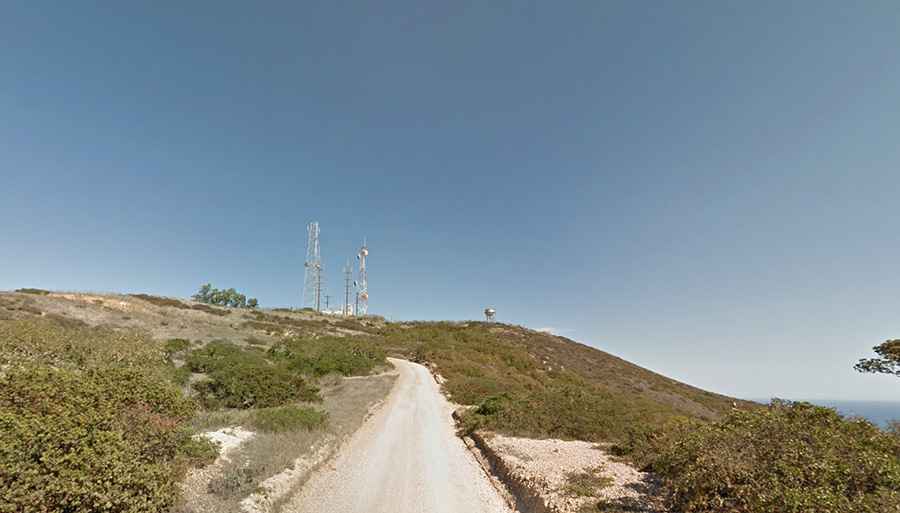
| Road facts: Santa Cruz Island | |
|---|---|
| Location | Channel Islands, California (USA) |
| Highest Point | Montaña del Diablo (2,450 ft) |
| Driving Rules | Authorized 4x4 only; No public traffic |
| Facilities | Zero (No gas, no water, no shops) |
Are there any roads on Santa Cruz Island?
Yes, the island features a network of old ranch roads and fire breaks established over a century of ranching history. However, these routes are strictly closed to all tourist traffic and are maintained exclusively for National Park Service rangers and researchers. These authorized 4x4 vehicles use the tracks for environmental protection and emergency logistics. For the public, the only way to move through the interior is on foot.
What are the driving and logistics restrictions?
There are no gas stations, repair shops, or restaurants on the island. All visitors must be totally self-sufficient, carrying their own food and water. The island operates under a "pack it in, pack it out" protocol; there are no rubbish bins, and all trash must be transported back to the mainland. Access is strictly controlled via authorized ferries from Ventura or Oxnard.
What is the terrain like for hiking?
The old ranch roads serve as the primary hiking arteries. Routes like Scorpion Canyon follow inland paths through narrow canyons with steep gradients. The highest point, Montaña del Diablo, reaches 2,450 feet (747 m) and requires navigating rugged terrain with high exposure to strong winds and rapid weather changes. The surface of these tracks is unpaved, consisting of loose dirt and rock that becomes impassable after rain.
What are the natural hazards on the island?
Beyond the verticality of the terrain, the island presents several physical hazards. Dense patches of poison oak and cholla cactus often encroach on the narrow tracks. While there are no poisonous snakes, scorpions and ticks are common in the dry brush. The coastal sectors feature massive sea caves, such as the Painted Cave, which require advanced kayak skills to manage the heavy swell and rocky entrances.