How to drive the 4x4 road to the Mount Leecher lookout in Washington?
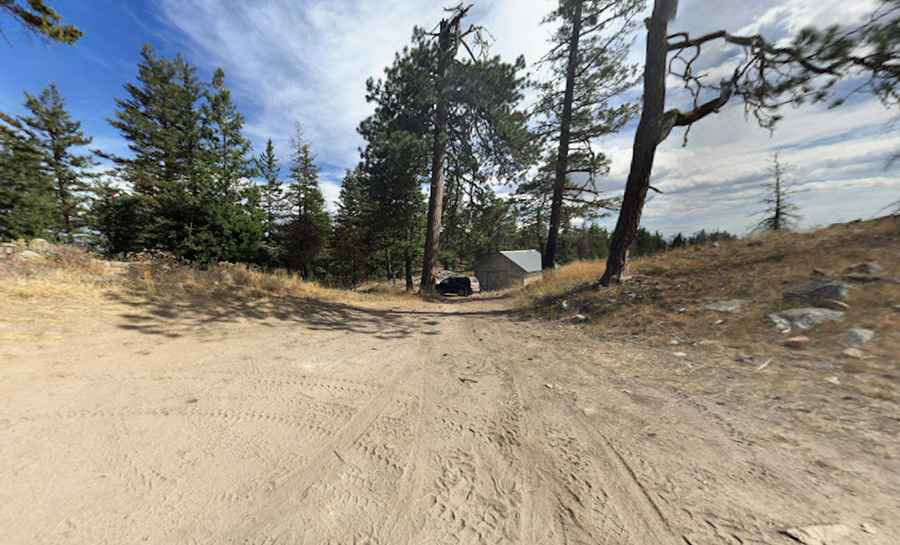
Mount Leecher is a high mountain peak at an elevation of 1,531m (5,022ft) above sea level, located in Okanogan County, within the North Cascades of Washington state. Technically, the summit is reached via a 7.9 km (4.9 miles) unpaved spur starting from the NF-4150 road. Navigating this route requires a vehicle prepared for variable traction, as the road surface transitions from hard-packed forest soil to deep, loose sand in the upper elevations of the Okanogan Range.
| Road facts: Mount Leecher (Okanogan) | |
|---|---|
| Location | Okanogan County, Washington (USA) |
| Elevation | 1,531 m (5,022 ft) |
| Length | 7.9 km (4.9 miles) from NF-4150 |
| Surface | Unpaved (Sand and rough gravel) |
What are the driving hazards on the road to Mount Leecher?
The road to the summit is a classic National Forest (NF) track that has seen minimal maintenance. Technically, the 7.9 km ascent is defined by its sandy composition, which can compromise traction for vehicles without an adequate 4WD system. The final mile is the most critical technical sector; the ruts become deeper and the surface more irregular, making high-clearance a mandatory requirement. Drivers must manage their momentum carefully to avoid digging into the soft sandy patches, especially during the dry summer months when the soil loses its cohesive properties.
What logistical infrastructure is at the Mount Leecher summit?
The summit of Mount Leecher hosts a fire lookout tower originally relocated in 1954. Logistically, the area is a working fire-monitoring site, meaning the main structure is typically locked to the public. However, the site is technically unique because it also contains the remains of a 1918 “crow’s nest” lookout—a rare platform built into a large pine tree located 1,000 feet southeast of the main tower. Accessing this ridge crest requires navigating narrow sections of the road where the shoulder is unprotected and the turning radius is limited, particularly for long-wheelbase expedition vehicles.
How to prepare for the Okanogan Range weather conditions?
Operating a vehicle in the Okanogan Range requires preparation for rapid thermal shifts. Technically, the road to Mount Leecher can be blocked by fallen timber after high-wind events, which are frequent in the North Cascades. Safety protocols mandate carrying a chainsaw or recovery gear for clearing the path. Furthermore, the 1,531m elevation ensures that snow can persist on north-facing shaded turns well into the late spring. Monitoring tire pressure is essential; airing down slightly can improve the footprint on the sandy sections, but drivers must be cautious of sharp rocks embedded in the ruts that can cause sidewall damage.
Pic: Rich N