How to drive the 4x4 road to Daniel’s Pass in Utah?
Daniel’s Pass is a high mountain pass at an elevation of 3,129 m (10,265 ft) above sea level, located in Sevier County, in the U.S. state of Utah. Logistically, the pass is situated in the high-altitude plateau region of the Fishlake National Forest, a terrain characterized by volcanic soil and rapid weather shifts that can significantly alter road surface conditions within hours.
| Road facts: Daniel’s Pass | |
|---|---|
| Location | Sevier County, Utah (USA) |
| Elevation | 3,129 m (10,265 ft) |
| Length | 4.66 km (2.9 miles) |
| Vehicle Required | High-clearance 4x4 |
Where is Daniel’s Pass located in Utah?
The pass is located east of Boobe Hole Mountain, in the central section of Utah. Technically, the route follows the ridgelines of the Fishlake National Forest, providing logistical access to remote forest management zones. The high elevation (over 3,000m) means the atmospheric pressure is lower, which can impact the oxygen intake of naturally aspirated engines, reducing power output during the final approach to the summit.
How long and technical is the road to Daniel’s Pass?
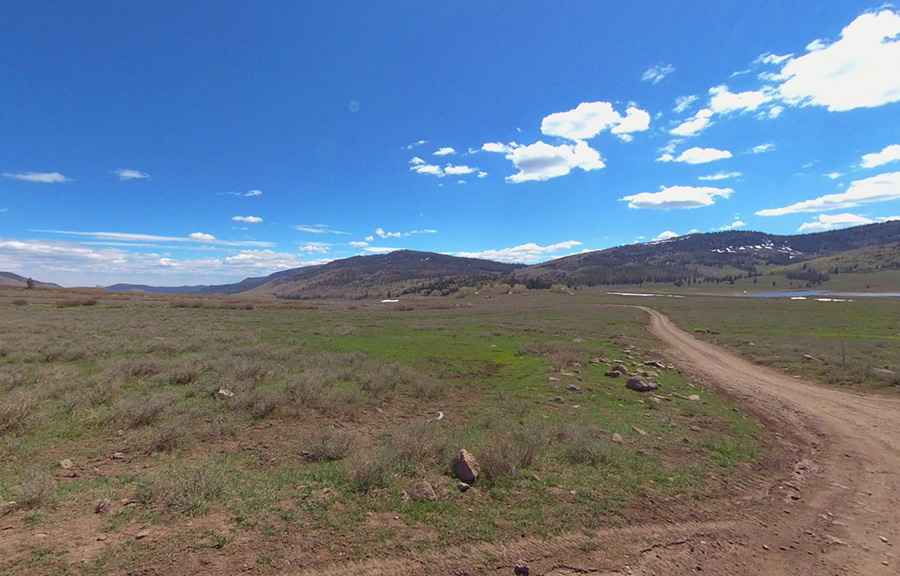
The road through the pass is totally unpaved and officially designated as Forest Road 350. Starting from Forest Road 056 (Cold Springs Road), the technical section is 4.66 km (2.9 miles) long. Logistically, a high-clearance 4x4 vehicle is required. The track consists of native soil, embedded rocks, and loose gravel. During the snowmelt season, the clay-heavy soil in Sevier County becomes extremely slick, making traction difficult even for vehicles equipped with All-Terrain tires. Safety protocols mandate a slow crawl to avoid underbody damage on the larger volcanic rocks that often surface in the middle of the track.
What are the seasonal hazards on Forest Road 350?
Logistically, Daniel’s Pass is impassable in winter due to heavy snow accumulation and the lack of snow-clearing services in this remote sector of the forest. The road typically remains blocked until late June or early July. Technically, even in summer, the road can become hazardous due to monsoonal rains in July and August, which can cause washouts and deepen existing ruts. Drivers must account for the total absence of logistical support and mobile coverage. It is mandatory to carry a full-size spare tire and a shovel, as the technical nature of FR350 can lead to tires being unseated or the vehicle getting high-centered in muddy sections.
Pic: Shannon Bushman