Logistics Guide: Driving and Exploration in the San Jacinto Valley, Hemet
Hemet, located in the San Jacinto Valley, serves as a strategic hub for travelers navigating the inland corridor of Southern California. Far from the congestion of Los Angeles or San Diego, this area offers a direct connection to high-altitude roads and significant water reserves. For those operating RVs or planning long-distance expeditions, understanding the road network and the primary supply points in Hemet is essential for a successful mission through the California desert and mountain transitions.
| Road Facts: Hemet & San Jacinto Valley | |
|---|---|
| Primary Access | CA-74 (Florida Ave) and CA-79 |
| Terrain | Valley floor transitioning to steep mountain grades |
| Key Infrastructure | Diamond Valley Lake (Reservoir) |
| Logistical Hubs | High-capacity RV resorts and supply centers |
1. Road Network and Mountain Access
Hemet is defined by its position at the base of the San Jacinto Mountains. The primary artery, Highway 74, is a critical road for those heading east toward Palm Springs or ascending into the San Bernardino National Forest. Drivers should be prepared for significant elevation changes and winding sectors as they leave the valley floor. For RV operators, Hemet provides high-capacity resorts equipped with specialized infrastructure, such as wellness centers and large-scale docking bays, making it an ideal base for maintaining vehicle logistics before tackling more demanding mountain roads.
2. Diamond Valley Lake: Infrastructure and Reconnaissance
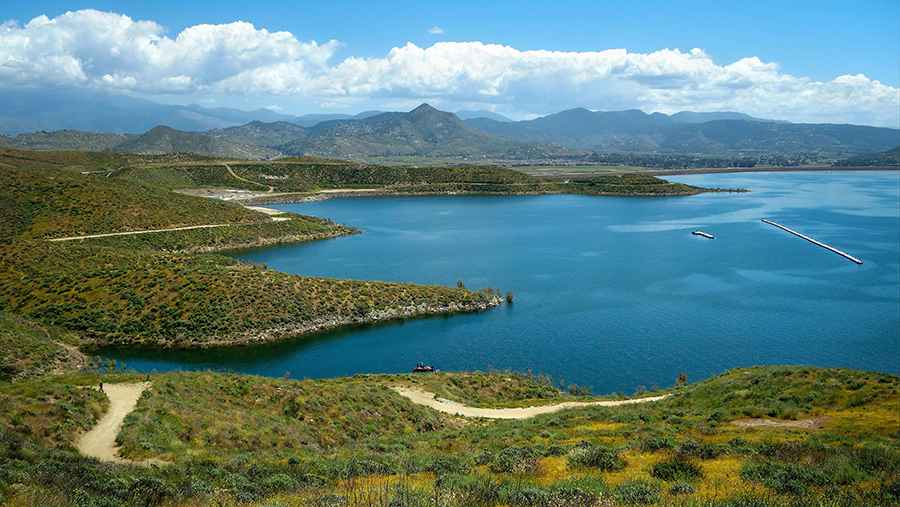
One of the most important landmarks in the area is Diamond Valley Lake. Beyond its recreational use for fishing and kayaking, this massive reservoir is a centerpiece of Southern California’s water infrastructure. The roads surrounding the lake are excellent for low-altitude reconnaissance and provide access to the Western Science Center, which documents the geological and paleontological history of the valley. Monitoring the local weather patterns is vital here, as the valley can experience rapid temperature shifts, especially during the spring and fall transitions.
[Image showing a wide-angle view of Highway 74 cutting through the San Jacinto Valley with the mountains in the background]
3. Operational Supplies and Local Logistics
Unlike the coastal cities, Hemet maintains a more accessible and direct pace. The local economy supports a variety of diners, family-owned supply stores, and weekly farmers' markets that are essential for restocking provisions. For those on extended road trips, the city offers a high density of services for burgers, BBQ, and fuel, ensuring that both the crew and the vehicle are prepped. The downtown sector, while smaller, provides necessary administrative and logistical support for travelers moving through the Inland Empire.
4. Planning Your Transit: Seasonal and Technical Tips
To optimize your transit through Hemet, plan your arrival during the spring or fall to avoid the extreme summer heat of the valley floor. Technical footwear is required if you plan to explore the Simpson Park Trail or other rugged sectors of the San Jacinto range. Furthermore, always check the local event calendars for vintage trailer shows or festivals, which can impact road congestion and availability at primary RV hubs. Packing layers is a professional necessity, as mountain proximity causes temperatures to drop sharply after sunset.
Conclusion: A Strategic Stop on the Southern California Route
Hemet may not have the flash of the major coastal hubs, but its strategic value for road logistics is undeniable. By utilizing the city as a base, you gain access to the technical roads of the San Jacinto Mountains while enjoying the support of a well-equipped valley community. Whether you are conducting a short-term mission or a long-distance RV expedition, Hemet offers the infrastructure needed to keep your journey on track. Plan your route, monitor the grades, and focus on the road ahead.