How to Get by Car to Coffeepot Crater in Oregon?
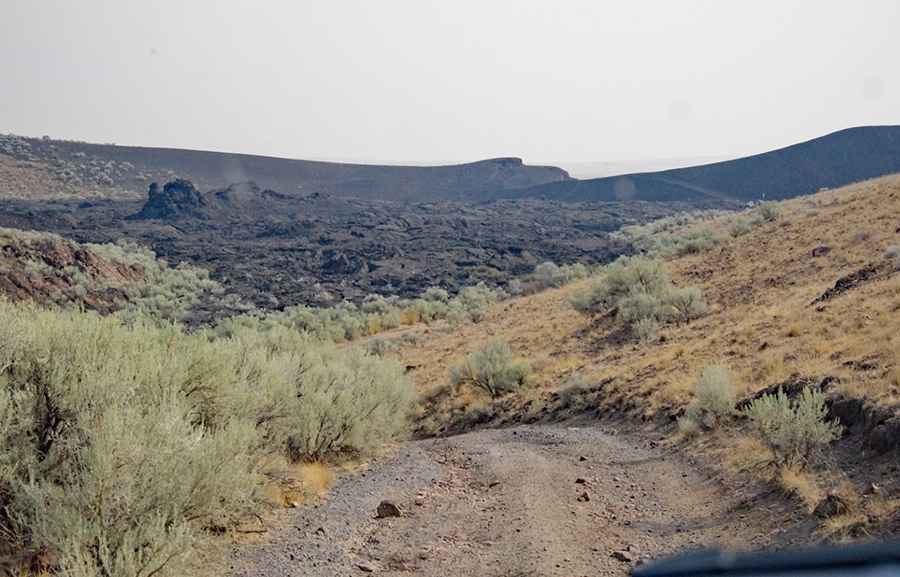
Coffeepot Crater is a large, remarkably well-preserved breached cinder cone located in Malheur County, in the southeastern corner of Oregon. It is the centerpiece of the Jordan Craters Volcanic Field, a 27-square-mile landscape of twisted basalt and jagged lava flows that looks more like the lunar surface than the Pacific Northwest.
Where Is Coffeepot Crater?
Situated in one of Oregon’s most remote and rugged sagebrush landscapes, Coffeepot Crater is a few hours' drive from Boise, Idaho. It sits near the Idaho border and is the youngest of the four primary craters in the Jordan Craters complex, with its last eruption occurring only about 3,200 years ago.
Coffeepot Crater Road Facts
How Challenging Is the Road to Coffeepot Crater?
The journey to this isolated and unrestricted crater is an adventure in itself. The final approach via Coffeepot Crater Road is entirely unpaved, featuring steep, bumpy, and often rocky sections. While the distance is short, a high-clearance 4WD vehicle is essential due to the uneven volcanic terrain and the risk of sharp rocks puncturing standard tires.
How Long Is the Road to Coffeepot Crater?
The final technical stretch starts from Blowout Reservoir Road. From this junction, the road to the crater's edge is 2.25 km (1.4 miles) long. However, visitors should be aware that reaching Blowout Reservoir Road itself involves navigating miles of remote Bureau of Land Management (BLM) dirt roads where GPS can be unreliable.
When Is the Best Time to Visit Coffeepot Crater?
The crater is free and open to the public year-round, but timing is everything. The best months to visit are May through October.
- The Wet Season Warning: Avoid this area if there is even a hint of rain. The soil in this region turns into a notorious "gumbo" mud—a thick, sticky clay that clings to tires and can strand even the most capable 4x4s.
- Summer Heat: Mid-summer temperatures can be brutal, and there is absolutely no shade or water available at the site.
Safety in the High Desert
Because of its extreme remoteness, travelers must be self-sufficient. Ensure you have a full tank of gas, a spare tire, and plenty of water. Cell service is virtually non-existent once you leave the main highway.
Pic: Mark Kuskie