How to Calculate and Maximize Compensation After a Pedestrian Accident
Maximize compensation after a pedestrian accident by documenting the scene, gathering witness information, and seeking immediate medical attention. File a police report and consult a personal injury attorney to navigate legal complexities. Preserve evidence, track medical expenses, and avoid settling prematurely to ensure fair compensation for your injuries and losses.
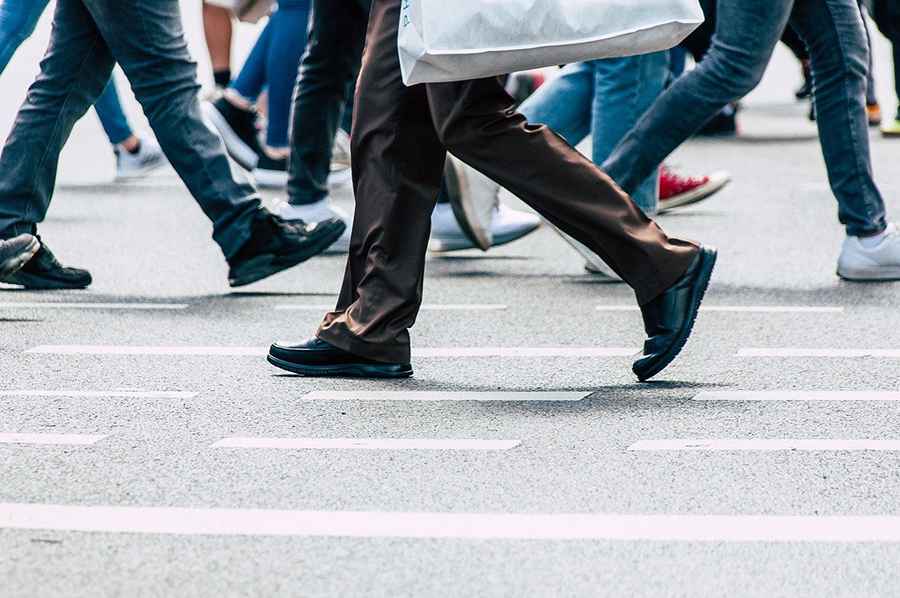
Pedestrian accidents can cause distress for those involved, resulting in harm and emotional trauma. It is important to know how to handle the situation to ensure compensation. This guide provides actions individuals should consider to increase their chances of receiving compensation following such a situation. To better your odds, consider speaking to a Jacksonville pedestrian accident lawyer and get your dues. The insights shared here are meant to support and guide those impacted, providing directions during moments.
Exploring Your Legal Entitlements
Understanding your rights is crucial when seeking fair compensation. Emphasizing the importance of knowing pedestrian rights and their impact in filing a claim, seeking advice from a specialist who focuses on pedestrian accidents can offer valuable assistance. These professionals can help clarify complicated legal terms and present various choices to aid in making well-informed decisions.
Gathering Proof
After an accident occurs, it's essential to gather evidence to support your case. Documenting the incident can greatly enhance your claim by painting a picture of what happened. Taking photos of the scene, including any injuries you sustained and any property damage, can provide proof. Collecting contact details from witnesses is also valuable, as their testimonies can back up your version of events. Moreover, obtaining a copy of the police report adds credibility to your claim.
Getting Medical Help
Prompt medical assessment is crucial; even if injuries seem insignificant on the surface, a comprehensive checkup can reveal concealed harm. It's not about receiving care— medical records play a vital role in the legal proceedings as well. These records can illustrate the severity of injuries sustained and establish a link to the incident. Maintaining a log of every appointment, treatment, and medication can strengthen the case, potentially leading to receiving fair compensation.
Determining the Extent of Harm
Assessing the scope of harm goes beyond evaluating physical wounds; it also entails taking into account emotional suffering and financial losses, like income reduction and potential medical costs down the line, for a complete picture that leads to a just resolution of the matter at hand. Expert help in tallying up damages plays a key role in avoiding undervaluing the worth of the claim.
Navigating Fair Agreements
Negotiating plays a role in the compensation process as it sets the tone for results when approached with readiness and assurance. Being aware of the value of the claim is essential for negotiations to secure offers that accurately represent the actual damages incurred. Legal experts can be instrumental in negotiations by advocating for compensation and providing knowledge that greatly impacts discussions leading to settlements.
Contemplating the Need for a Lawyer
Some individuals opt to manage claims. However, seeking assistance from a professional can be advantageous in various ways. Legal professionals who focus on pedestrian accidents are equipped with the required expertise and experience to guide through procedures. Their skillset enables them to enhance compensation by presenting claims and advocating assertively for clients while managing any conflicts that may emerge throughout the procedure.
Keeping Clear Documentation
Maintaining organized records can impact the outcome of a claim situation. Upholding documentation of details such as medical expenses, data exchanged with insurance firms, and proof gathered helps prevent any oversights. Making this data reachable can simplify the claims procedure, enabling an argumentation of the scenario and bolstering the affected individual's stance.
Getting Emotional Help
Recovering from an accident goes beyond the physical aspect– emotional healing is crucial, too. Getting support through group therapy or talking to a counselor can offer comfort and direction. Dealing with pain not only speeds up recovery but also shows the wider effects of the accident on the victim's life.
Delving into Conflict Resolution
Sometimes, it can be beneficial to consider ways to resolve conflicts, like mediation, arbitration, or going straight to court battles. These tend to result in faster agreements and are less confrontational overall, which can better accommodate everyone's unique needs involved in the situation.
In Summary
Maximizing compensation after a pedestrian accident requires knowledge, diligence, and strategic action. Victims can navigate the claims process more effectively by understanding their legal rights, gathering comprehensive evidence, and seeking professional guidance. Prioritizing both physical and emotional recovery ensures a holistic approach, ultimately contributing to a more favorable outcome. It empowers individuals to pursue the compensation they deserve, restoring a sense of justice and aiding in the healing journey.
Pic: https://pixabay.com/it/photos/pedone-piedi-passi-le-persone-8037900/