Why reckless driving ruins more than just your car?
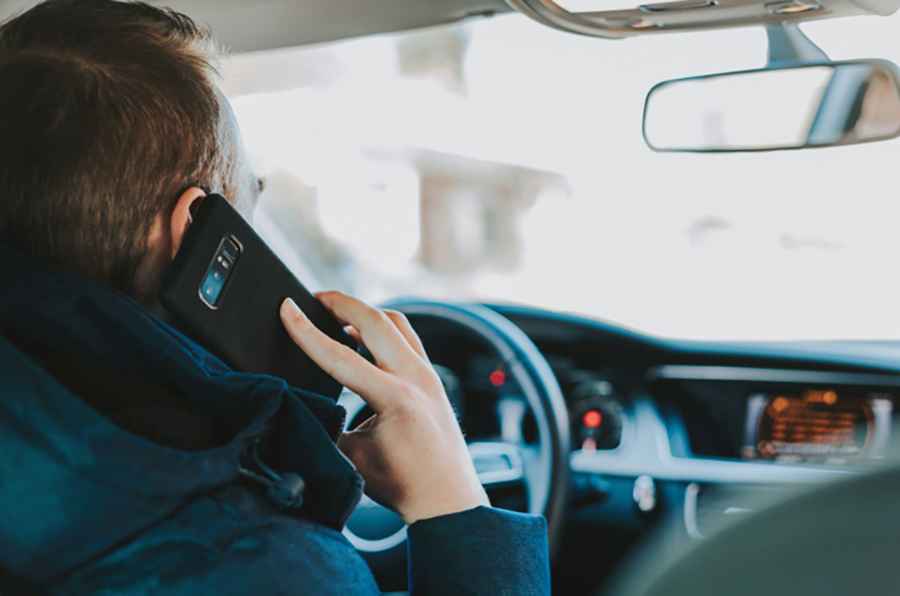
Driving is about precision and respect for the machine. When someone decides to ignore the speed limits or look at a phone instead of the asphalt, they aren't just risking a fine—they are turning their vehicle into a loose cannon. On any dangerous road, a single second of distraction can trigger a wreck that ruins lives, finishes careers, and leaves families buried in debt.
| The Reality of Reckless Driving | |
|---|---|
| Main Hazards | Speeding, phones, and overconfidence |
| Physical Toll | Broken bones, spine injuries, and long recoveries |
| Financial Hit | Lost jobs, hospital bills, and massive lawsuits |
| Legal Trouble | License suspension and criminal records |
The crash is just the beginning
A collision on the roads is over in a blink, but the mess it leaves behind lasts for years. We aren't just talking about a dented bumper; we are talking about hospital stays and physical therapy that can go on for months. For the victim, it often means the end of their job or their plans. Even if the insurance pays out, no check can truly fix the time lost or the permanent damage to your body after a high-speed hit.
Why do drivers take stupid risks?
Most accidents happen because of a mix of stress and thinking you are invincible. On today's roads, the biggest enemy is the mobile phone. Checking a notification for two seconds means driving blind for dozens of meters. Overconfidence is another killer—drivers think they know the route so well they can push the car past its limit. Real driving is about discipline: keeping your eyes on the tarmac and recognizing that you are responsible for every soul in that car.
The financial trap of being at fault
If you are the one driving like a fool, the law will come down hard. Beyond the heavy fines and losing your license, you could end up with a criminal record that follows you forever. For the victims, the struggle is just as bad—they have to fight with insurance companies and lawyers to try and recover lost wages and pay off mounting medical bills. Negligence on the roads is a fast way to lose everything you’ve worked for, from your bank account to your freedom.
How to stay safe and keep your car in one piece
Technology like lane assist or phone blockers can help, but they are just backups. The real safety tool is the person behind the wheel. Staying safe on the roads is simple but requires a cool head: put the phone away, follow the speed signs, and never drive if you aren't 100% focused. It’s about making the right decision every time you hit a curve or a straight, ensuring that everyone gets to their destination in one piece.
Driving isn't just a skill; it’s a commitment to the road. By respecting the car and the conditions, we keep the journey safe for everyone. Keep your focus on the asphalt, check your mirrors, and stay sharp. Precision is the only thing that keeps you out of the ditch.
Photo by Alexandre Boucher from Unsplash