Planning a Group or Winter Vacation in Gatlinburg
Gatlinburg serves as a strategic terminal for accessing the high-altitude road networks of the Great Smoky Mountains. Planning a group expedition or a winter transit in this region requires rigorous logistical discipline. From managing vehicle readiness for snowy mountain passes to coordinating multi-vehicle convoys through high-saturation urban grids, a professional approach to timing and equipment is essential to ensure a safe and efficient operation in the Tennessee backcountry.
| Road facts: Gatlinburg Seasonal Operations | |
|---|---|
| Winter Peak | December to February (High probability of ice and snow) |
| Technical Routes | Roaring Fork Motor Nature Trail and Alum Cave access |
| Vehicle Requirements | Winter tires, emergency kits, and high-altitude fluid levels |
| Logistical Hub | Ober Mountain (Technical winter sports transit) |
1. Strategic Timing for Mountain Roads
The operational window in Gatlinburg is dictated by the season. For driving the Smokies, spring and fall offer the best balance of traction and visibility, though traffic saturation is higher. Winter operations (late December through February) require a focus on specialized mountain transit. While snowfall creates high-risk driving conditions, it also provides the necessary environment for winter sports at Ober Mountain. Professional drivers monitor weather telemetry daily to adjust departure times and avoid peak congestion or road closures.
2. Group Logistics and Heavy Vehicle Accommodation
Coordinating a group transit requires selecting a base of operations that can accommodate multiple vehicles or oversized RVs. Prioritize cabins or hotels with expansive parking and fully equipped maintenance areas (kitchens and laundry) to support the group's autonomy. In winter, ensuring your accommodation has reliable heating and indoor amenities is a vital contingency plan for periods of extreme cold or road impassability.
3. Technical Winter Preparation and Vehicle Readiness
Winter driving in Tennessee is unforgiving to poorly equipped vehicles. Before initiating a winter transit, you must execute the following protocol:
- Traction Control: Verify the tread depth of winter tires; all-season tires may prove insufficient on icy mountain inclines.
- Fluid Telemetry: Ensure antifreeze and windshield wiper fluids are rated for sub-zero temperatures.
- On-board Logistics: Every vehicle in the group should carry an emergency kit including thermal blankets, waterproof gear, and high-calorie rations.
- Mechanical Check: Inspect the battery and braking system, as the cold increases the load on electrical components and the risk of brake fade on descents.
4. Executing High-Exposure Mountain Roads
Gatlinburg provides access to some of the most technical roads in the national park. The Roaring Fork Motor Nature Trail is a primary objective for those seeking technical forest driving, while routes toward Alum Cave require managing steep vertical gradients. During winter, these roads may be restricted or require chains. Professional drivers maintain a disciplined following distance in convoys and use engine braking to manage descent velocity on ice-covered asphalt.
5. Contingency Planning for Indoor Operations
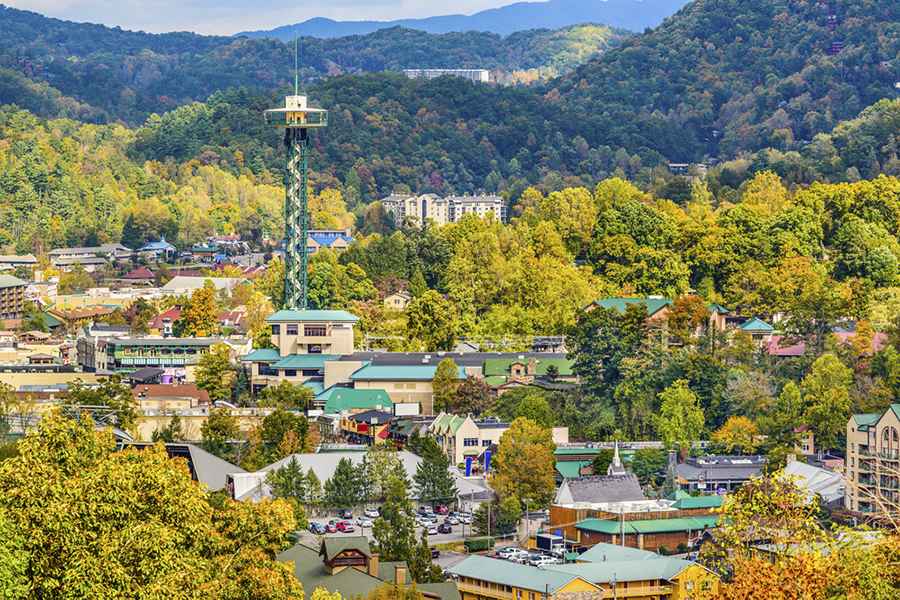
When weather telemetry indicates unsafe driving conditions, transitioning to indoor operations is the professional standard. Gatlinburg offers structured environments like the Space Needle or Ripley’s Aquarium as high-capacity indoor hubs. These locations allow groups to maintain coordination while waiting for road clearing operations to conclude. Always maintain a flexible itinerary that allows for rapid shifts between outdoor transit and indoor sheltering.
Conclusion: The Standard of Discipline in the Smokies
A successful expedition in Gatlinburg is defined by logistical foresight and mechanical respect. Whether you are driving in winter or managing a large group in the spring, your safety depends on your ability to read the terrain and prepare your equipment. Gatlinburg is a gateway to one of America’s most iconic road networks; master the logistics, respect the mountain, and drive with professional confidence. Every mile in the Smokies requires your total focus.
Image credit: Depositphotos