Driving the Great Smoky Mountains: Road Guide to Pigeon Forge and Beyond
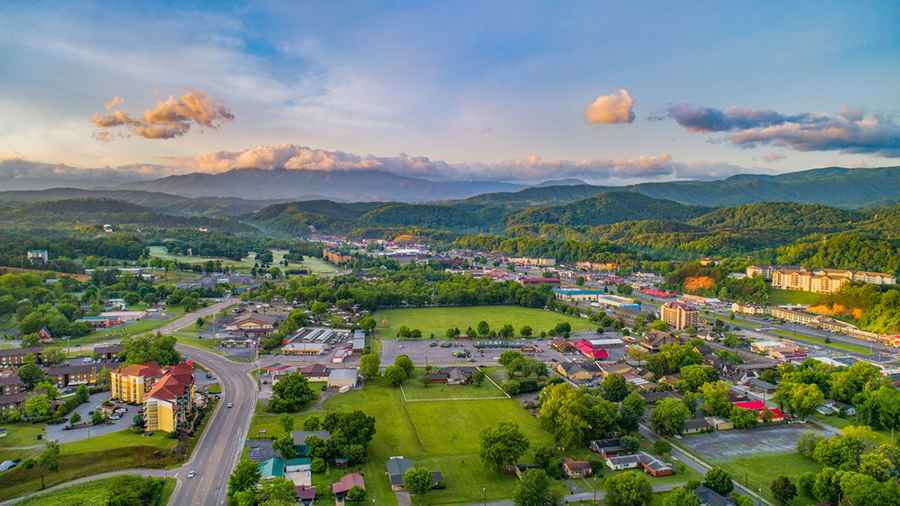
Pigeon Forge, Tennessee, serves as a primary gateway to the Great Smoky Mountains National Park. Navigating this region requires understanding high-altitude weather patterns, steep mountain gradients, and the logistical challenges of one of the most visited national parks in the USA.
Navigating Newfound Gap Road (US-441)
The most significant driving route from Pigeon Forge is the Newfound Gap Road. This 53 km (33-mile) stretch is the only paved road that fully traverses the park. It climbs to an elevation of 1,538 m (5,046 ft). Drivers must be prepared for a temperature drop of up to 10-15 degrees compared to the valley and should expect heavy congestion during peak leaf-peeping seasons.
| Driving Facts: Great Smoky Mountains | |
|---|---|
| Main Route | US-441 (Newfound Gap Road) |
| Max Elevation | 2,025 m (6,643 ft) at Clingmans Dome |
| Road Conditions | Steep grades and frequent fog |
| Winter Access | Temporary closures due to ice/snow |
The Ascent to Clingmans Dome
For those seeking the highest point in Tennessee, the drive to Clingmans Dome (2,025 m) is a technical climb. The 7-mile access road is steep and winding. It is strictly seasonal, typically closed from December through March due to hazardous ice conditions. Standard passenger vehicles can manage the climb, but brakes should be monitored during the descent to prevent overheating.
Logistics for a Stress-Free Mountain Drive
To ensure safety and efficiency when exploring the Pigeon Forge area by vehicle:
- Brake Management: Use low gears on steep descents like Newfound Gap to avoid brake fade.
- Fuel Planning: There are no gas stations within the National Park boundaries. Always refuel in Pigeon Forge or Gatlinburg before entering.
- Wildlife Protocols: Frequent "bear jams" (traffic stops due to wildlife sightings) can add hours to travel time. Maintain a safe distance and stay inside your vehicle.
Seasonal Hazards and Road Closures
The Great Smoky Mountains are prone to rapid weather changes. Fog is a constant variable that drastically reduces visibility on high-altitude passes. During winter, even if it is raining in Pigeon Forge, the high-elevation roads like Roaring Fork Motor Nature Trail or Blue Ridge Parkway can be closed due to black ice.
Image credit: Depositphotos