Selecting the Optimal Wrap Finish for Road Endurance
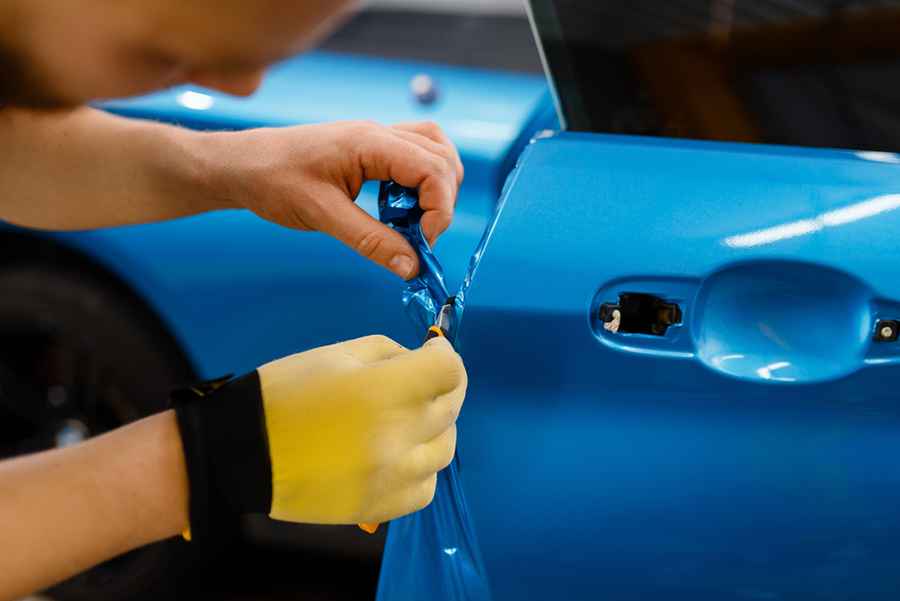
Automotive vinyl wraps have evolved into a sophisticated layer of surface engineering, offering both aesthetic customization and critical paint protection. In 2024, the selection of a wrap finish is a strategic decision that impacts a vehicle's aerodynamic profile, thermal absorption, and resistance to environmental debris. For drivers operating on high-exposure road networks, understanding the technical properties of different finishes is essential for maximizing the lifespan of the film and maintaining the vehicle's structural integrity.
| Vinyl Finish: Technical Comparison | |
|---|---|
| Gloss / Paint-like | High weather resistance; easiest surface to decontaminate |
| Matte / Satin | Low light reflection; highlights vehicle geometry; requires specific pH-neutral care |
| Chrome / Reflective | High visibility; rigid structure; reduced service life (~2-3 years) |
| Carbon Fiber | Textured polymer; high flexibility for complex aerodynamics; impact resistant |
Which finishes offer the highest resistance to road debris?
When driving on gravel roads or in high-impact environments, the durability of the finish is paramount. Gloss finishes typically provide a slicker surface that allows debris to deflect more easily, reducing the risk of micro-scratches. Conversely, matte finishes, while offering excellent UV protection and a distinct "flat" profile, can be more susceptible to staining from oils and road salts if not maintained with specialized matte-specific sealants. Professional drivers often prioritize gloss or satin finishes for long-distance expeditions due to their superior "self-cleaning" properties during rain transit.
The technical logistics of specialized wraps: Chrome and Carbon Fiber
Specialized finishes like Chrome and Carbon Fiber involve different mechanical properties. Chrome wraps provide a mirror-like finish that significantly enhances vehicle visibility on the road, but their rigid chemical structure makes them harder to install on complex curves and reduces their overall longevity. Carbon fiber wraps, however, utilize a textured polymer that is highly flexible and resistant to vandalism and minor abrasions. For vehicles involved in motorsports or high-speed driving, carbon fiber is a preferred choice for its combination of lightweight aesthetics and structural resilience.
How to align wrap finish with environmental conditions?
The operational environment of the vehicle should dictate the choice of finish.
- Extreme Thermal Stress: In high-heat regions like the Southwest, gloss and satin finishes with advanced UV-inhibitors are essential to prevent pigment fading and adhesive failure.
- Variable Climate: For drivers navigating mountain passes with frequent snow and salt exposure, a high-quality gloss wrap offers the most effective barrier against chemical corrosion.
- High-Saturation Urban Zones: Color-changing or "chameleon" wraps provide a unique aesthetic signature while maintaining the same protective benefits as standard high-grade vinyl films.
Maintaining Resale Value through Protective Wraps
Regardless of the finish, a high-quality wrap serves as a protective shield for the original factory paint. This is a critical factor for maintaining the resale value of a vehicle. A professional installation ensures that the wrap can be removed after its service life (typically 5-7 years for standard finishes) without leaving adhesive residue or damaging the substrate. By choosing a finish that suits both your driving habits and your climate, you ensure that your vehicle remains mission-ready and aesthetically sound.
Conclusion: The Standard of Surface Engineering
Selecting the right wrap finish is more than a design choice; it is an exercise in vehicle logistics and maintenance planning. Whether you prioritize the ease of cleaning a gloss finish or the technical profile of a carbon fiber wrap, your decision impacts the long-term protection of your vehicle. Driving a wrapped car is a commitment to professional maintenance standards. Choose the finish that matches your road requirements, secure a certified installer, and master the road with a protected, high-performance exterior.
Image credit: Depositphotos