E-Bikes: 10 Operational Advantages for Driving US Roads
The integration of electric bikes (e-bikes) into long-distance road travel has redefined the accessibility of the American landscape. For the modern explorer, an e-bike is not just a bicycle but a light electric vehicle capable of managing significant mileage and technical gradients. Driving these roads on an e-bike requires a strategic approach to battery logistics, surface traction, and safety protocols, especially when operating on high-traffic scenic routes or remote mountain passes.
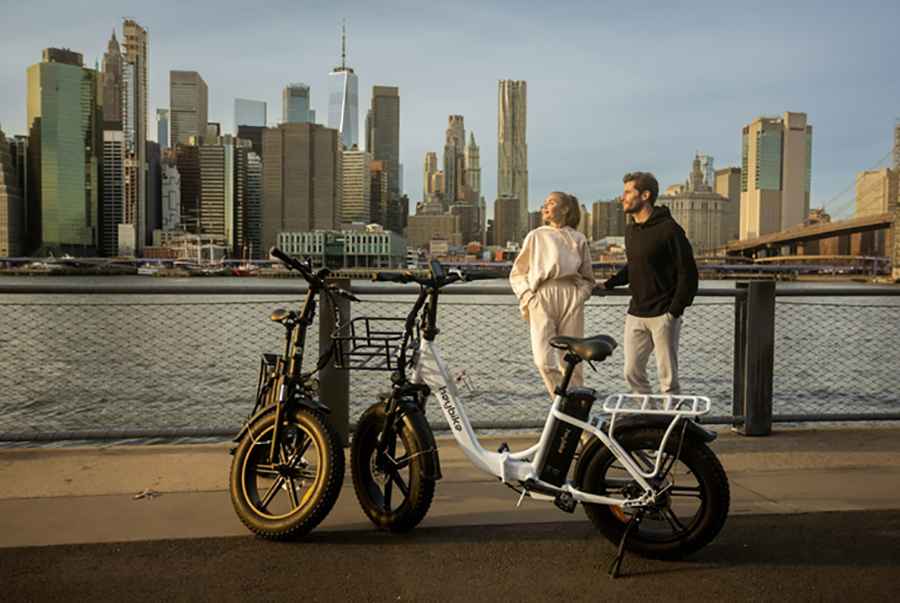
| E-Bike Expedition: Technical Specs | |
|---|---|
| Terrain Versatility | Fat-tire units for sand, gravel, and asphalt roads |
| Range Management | Pedal-assist for high-altitude gradient climbing |
| Emission Profile | Zero-emission operational footprint |
| Urban Logistics | High maneuverability in congested road networks |
How does pedal-assist technology improve road accessibility?
The primary benefit of driving an e-bike is the ability to maintain consistent velocity across varied elevations. The pedal-assist feature levels the physical demand, allowing operators to tackle challenging mountain roads with less fatigue. This technology ensures that long-distance road tours are viable for different fitness levels, focusing the driver's energy on situational awareness and road safety rather than physical exhaustion.
Why are fat-tire e-bikes essential for diverse road surfaces?
When driving on dangerous roads that transition from asphalt to gravel or sand, tire width becomes a critical safety factor. Fat-tire electric bikes are engineered for high stability and maximum traction. Their increased contact patch allows for safer handling on rugged mountain trails and unpaved secondary roads, providing the versatility needed for off-the-beaten-path expeditions where standard road tires would fail.
What are the logistical advantages of e-bikes over motor vehicles?
E-bikes offer a cost-effective and flexible alternative to traditional car rentals or motorcycle tours. They eliminate fuel costs, tolls, and parking fees, which can be significant when driving through national parks or busy metropolitan areas. Additionally, the silent operation of the motor allows for a closer connection to the environment, reducing noise pollution on sensitive scenic roads while maintaining the capability to cover more ground than a conventional bicycle.
How to manage battery range when driving long-distance roads?
Success on a transcontinental e-bike tour depends on range logistics. Operators must plan their itinerary based on battery capacity and available charging points. The ability to travel greater distances each day is a major advantage, but it requires disciplined energy management. Using lower assist modes on flat roads and reserving high power for steep gradients ensures that you can complete the day's route without losing motor support in isolated areas.
Why is urban maneuverability a key safety factor for e-bikes?
Navigating congested urban road networks is often safer and more efficient on an e-bike. They allow the driver to bypass traffic bottlenecks and utilize dedicated cycling infrastructure, reducing the risk of collisions with heavy vehicles. In cities with historic or narrow roads, the compact footprint of an e-bike makes parking and technical maneuvers much simpler than with a full-sized car or SUV.
Conclusion: The Evolution of Road Touring Logistics
Driving the roads of the United States on an e-bike is a sophisticated way to experience the country’s topographical diversity. By combining electric power with traditional cycling, you create a sustainable and highly capable expedition platform. Whether you are driving mountain passes or driving coastal roads, the e-bike offers a unique balance of autonomy, efficiency, and safety. Respect the road, manage your battery, and enjoy the technical challenge of the drive.
Pic: https://unsplash.com/es/fotos/un-hombre-y-una-mujer-parados-junto-a-una-bicicleta-vcFbXogTpR0