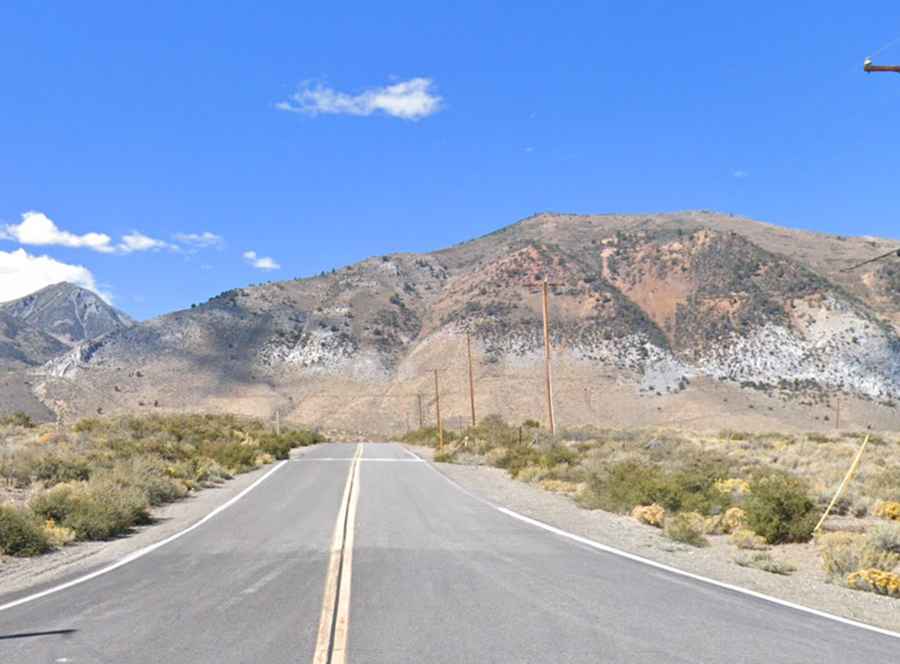
Is the road to Lundy Lake paved all the way?

Lundy Lake is a stunning high-altitude destination at an elevation of 2,379m (7,805ft) in the Eastern Sierra Nevada of California. Located in Mono County, just north of Lee Vining, the lake covers 100 acres and is a prime spot for those exploring the rugged landscapes near Mono Lake. However, for drivers, the real challenge lies in the transition of the road surface as it climbs deeper into the canyon.

Lundy Lake

The journey into Lundy Canyon offers some of the most dramatic scenery in the region, with towering slate walls and seasonal waterfalls. While the lower section of the drive is accessible to most vehicles, the route becomes progressively more difficult as you move past the developed campgrounds. Understanding where the pavement ends and the gravel begins is crucial for anyone planning a trip to the Lundy Canyon Trailhead.

Road facts: Lundy Lake Road
Location Mono County, California (Eastern Sierra)
Length 10.78 km (6.7 miles)
Max Elevation 2,502m (8,208ft) at Trailhead
Surface Paved to Campground / Gravel to Trailhead

How long is the drive on Lundy Lake Road?

The drive begins at the intersection with the paved Highway 395, a major artery in the Eastern Sierra. From the highway, Lundy Lake Road stretches for 10.78 km (6.7 miles) as it heads west into the canyon. The first few miles are relatively easy, winding through the foothills with views of the surrounding peaks. The road is well-maintained up to the Lundy Lake Campground, making it a straightforward drive for standard passenger cars during the summer months.

Is the road to Lundy Lake paved?

The road surface is divided into two distinct sections. The lower part of Lundy Lake Road is fully paved and provides smooth access to the lake’s main recreation areas. However, beyond the campground, the road turns into a rough gravel track. This unpaved section continues for about two more miles until it reaches its end at the Lundy Canyon Trailhead, situated at 2,502m (8,208ft). Drivers should be aware that while the paved section is generally open, the gravel part leading to the higher hikes and smaller lakes is often subject to seasonal closures due to snow or washouts.

What are the conditions for driving in Lundy Canyon?

Driving in Lundy Canyon requires attention to seasonal changes. In the spring, snowmelt can cause localized flooding across the road, and in the winter, the road is not plowed past the initial residential areas. The gravel portion of the road can be bumpy and narrow, so high-clearance vehicles are recommended if you plan to go all the way to the trailhead. Because this is a dead-end road, there is no through-access; you must return the same way you came, descending back towards Mono Lake and Highway 395. Always check current Mono County road conditions before attempting the upper gravel section.

How to reach Lundy Lake from Tioga Pass?

Lundy Lake is conveniently located just a few miles north of Lee Vining, the eastern gateway to the famous Tioga Road. If you are driving through the Eastern Sierra, taking the detour to Lundy Canyon is a great way to escape the crowds of Yosemite. Simply head north on Highway 395 from the Tioga Pass junction for about 7 miles, then turn west onto Lundy Lake Road to begin the ascent towards the trailhead.