How to drive the unpaved Forest Road 98 to Blue Bird Mesa?
Blue Bird Mesa is a high-altitude mountain pass at an elevation of 2,824m (9,265ft) above sea level, located in Sandoval County, New Mexico. Situated in the north-central part of the state within the Jemez Mountains, the transit via Forest Road 98 is a technical unpaved corridor requiring specific vehicle capabilities for high-altitude desert and forest terrain.
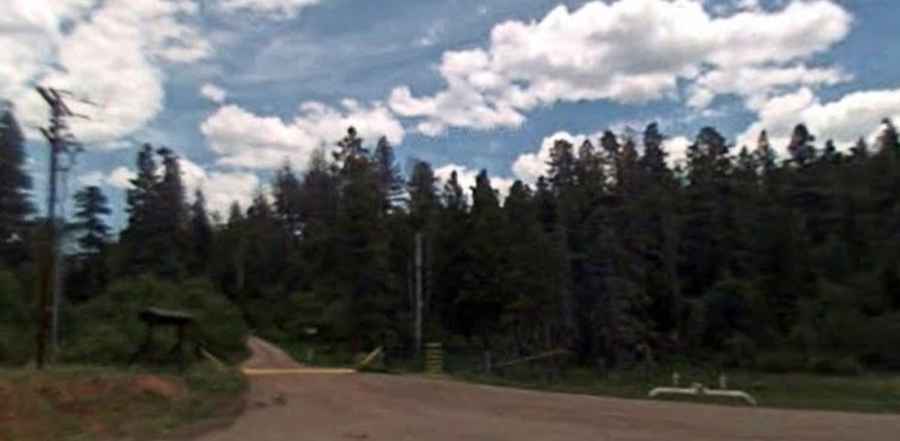
| Road facts: Blue Bird Mesa (FR 98) | |
|---|---|
| Location | Sandoval County, New Mexico (USA) |
| Elevation | 2,824 m (9,265 ft) |
| Length | 8.85 km (5.5 miles) |
| Road Code | Forest Road 98 |
| Surface | Unpaved (Native soil and gravel) |
Is Forest Road 98 to Blue Bird Mesa in New Mexico unpaved?
Yes, the road to the summit is entirely unpaved and officially designated as Forest Service Road 98. Technically, the surface consists of native soil and loose gravel. While a high-clearance vehicle may manage the 8.85 km transit under ideal dry conditions, a 4-wheel-drive vehicle is strongly recommended. Logistically, the roadbed in the Santa Fe National Forest can become impassable during the "monsoon" season in New Mexico, where heavy rains turn the unpaved surface into deep mud, compromising tire traction.
How long is Forest Road 98?
The road is 8.85 km long (5.5 miles), running north-south from the NM-126 Road to Forest Road 20. Technically, the drive is a sustained climb that leads to the Blue Bird Overlook. Logistically, the route is isolated; while the presence of wildlife like elk or deer is common, drivers must maintain high concentration on the roadbed's geometry. The 5.5-mile stretch requires constant gear management to handle the elevation changes within the Jemez mountain range.
What are the technical driving challenges on Blue Bird Mesa?
Technically, driving to Blue Bird Mesa at 2,824m requires a vehicle with a cooling system prepared for high-altitude operation. The thin air impacts engine torque, especially on the steeper unpaved ramps. Logistically, the descent towards the NM-126 junction puts a significant thermal load on the braking system. Safety protocols mandate the use of engine braking to prevent fade on the dusty surface. Before embarking, ensure the vehicle's air filters are clean, as the fine volcanic dust of the Jemez Mountains can quickly clog intakes during the 8.85 km transit.