What are the most dangerous roads in Texas?
Texas represents a unique intersection of extreme speed limits, aging infrastructure, and massive industrial logistics. The state consistently reports a fatality rate per 100 million vehicle miles that exceeds the national average.
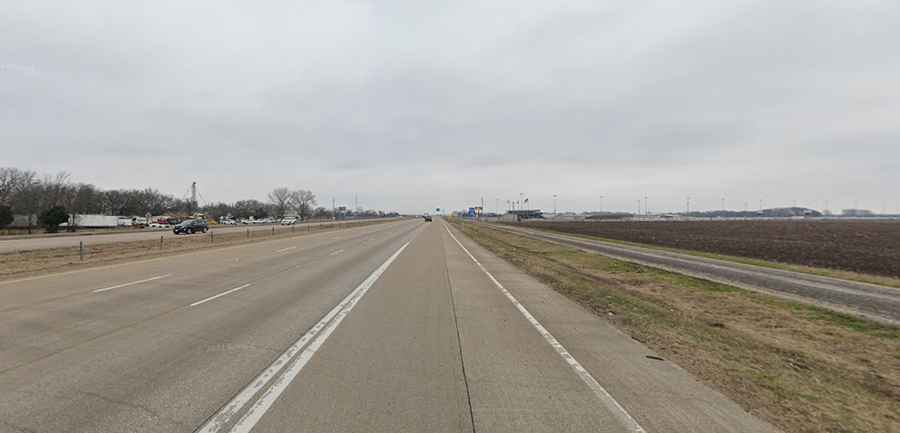
From the high-speed corridors of the "Texas Triangle" to the oil-saturated routes of the Eagle Ford Shale, these roads are defined by structural deficits, high-velocity impacts, and the relentless wear of heavy commercial tonnage. Understanding the specific risks of these corridors is essential for navigating the second-largest state in the U.S.
| Texas Road Risk Profile: Technical Data | |
|---|---|
| Deadliest Corridor | Interstate 45 (I-45) |
| Highest Speed Limit | 85 MPH (SH 130 Toll Road) |
| Primary Structural Risk | Work zone saturation & deficient median barriers |
| Industrial Stressor | Eagle Ford Shale oil field truck traffic |
1. Interstate 45 (I-45): The Deadliest Link
Interstate 45, particularly the stretch connecting Houston and Dallas, is statistically ranked as the deadliest road in Texas and the second most perilous in the United States. The high fatality rate is attributed to a combination of extreme traffic density, substandard design features in older sectors, and a lack of adequate lighting. The frequency of high-speed collisions on I-45 makes it a high-vigilance zone for all vehicle types.
2. The High-Velocity Corridors (San Antonio to Austin)
The transit between San Antonio and Austin features some of the highest legal speed limits in the Western Hemisphere, reaching up to 85 MPH on segments of the State Highway 130 toll road. While this expedites long-distance travel, it significantly escalates the kinetic energy involved in collisions. At these velocities, even minor road surface irregularities or sudden evasive maneuvers lead to non-survivable impacts, as vehicle safety systems are often pushed beyond their engineered limits.
3. Industrial Decay in the Eagle Ford Shale Region
The Eagle Ford Shale region presents a specific type of infrastructural hazard. The incessant volume of heavy oil-field trucks has caused rapid pavement delamination and structural base failures.
- Surface Hazards: Potholes, shoulder drop-offs, and uneven surfaces are common due to the weight of 80,000-pound tankers.
- Maintenance Backlog: The financial burden of repairing roads damaged by industrial tonnage often leads to deferred maintenance, leaving motorists to navigate corridors with deficient signage and poor drainage.
4. Interstate 35 (I-35): The Work Zone Gauntlet
Interstate 35 is a critical logistical artery that is under near-constant construction. In 2019, Texas reported the highest number of work zone crash fatalities in the nation. The danger on I-35 stems from sudden lane shifts, inadequate lighting in construction sectors, and the frequent use of temporary barriers that offer less protection during high-speed impacts. The constant state of "roadwork" turns this interstate into a high-risk environment for both passenger and commercial vehicles.
5. U.S. Highway 83: The Border Corridor Risk
In the Rio Grande Valley, particularly around McAllen, U.S. Highway 83 is notorious for its accident frequency. This route suffers from a lack of modern safety infrastructure and high traffic volumes. The combination of agricultural logistics and international trade transit creates a saturated environment where poor road maintenance directly contributes to daily incidents.